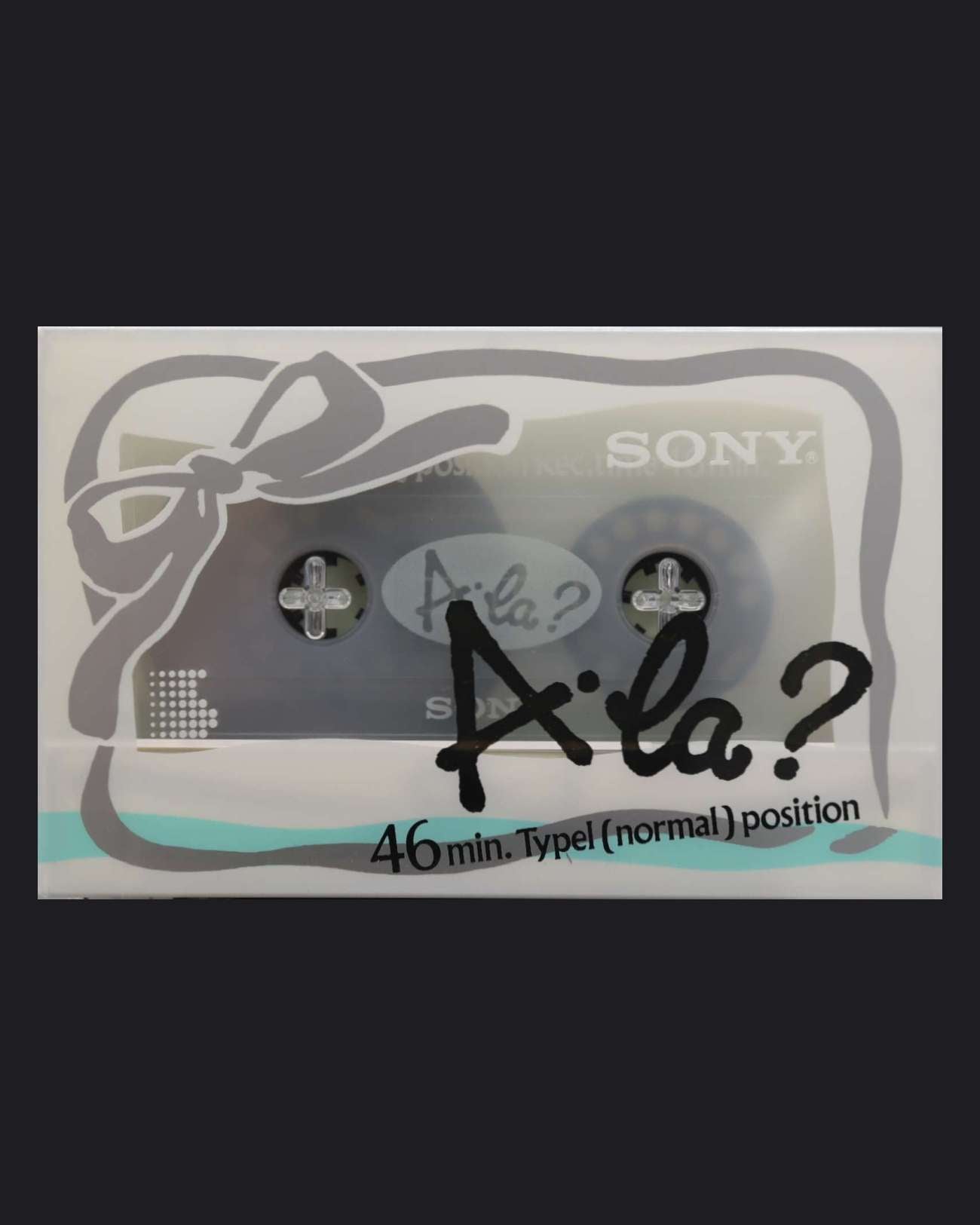
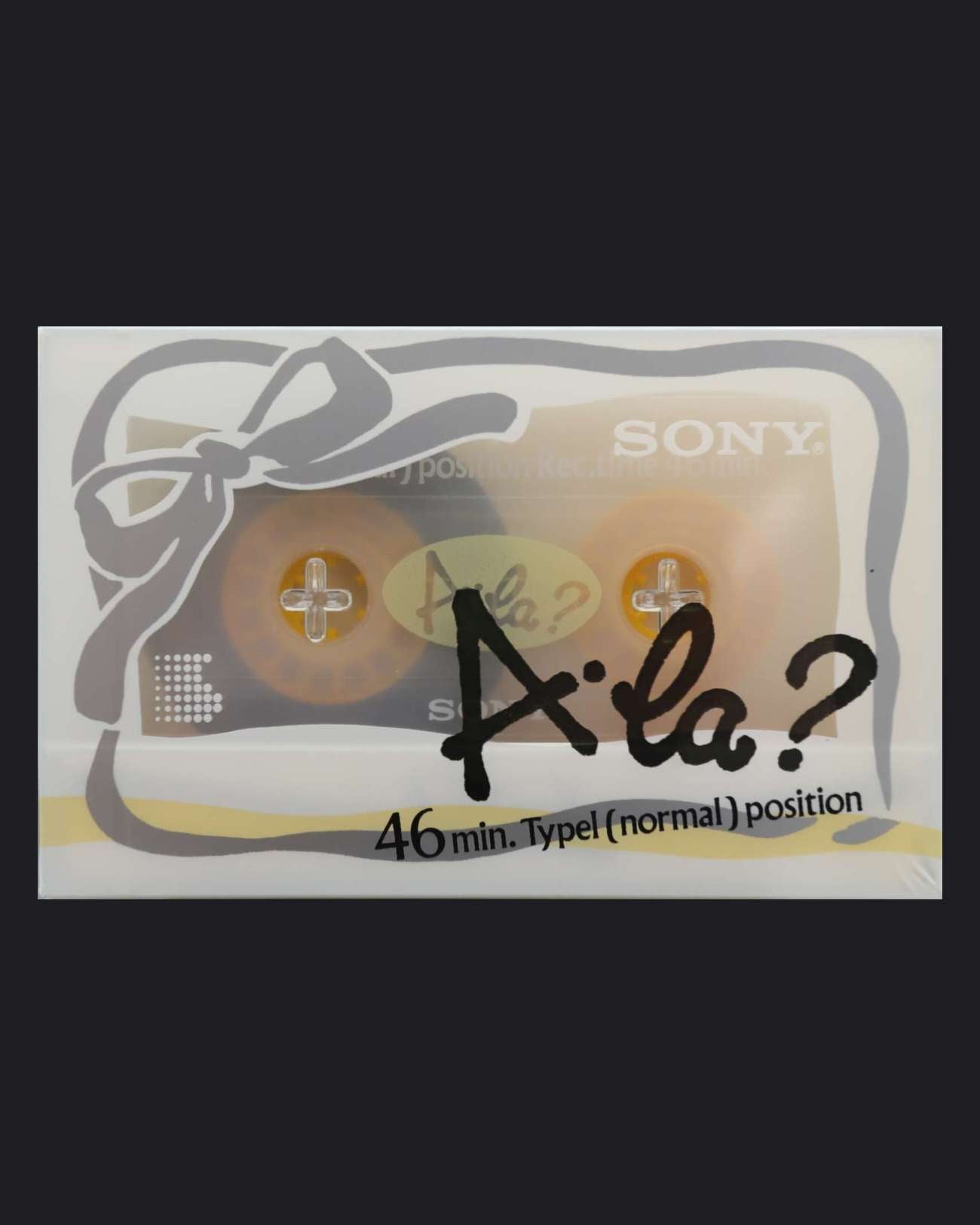
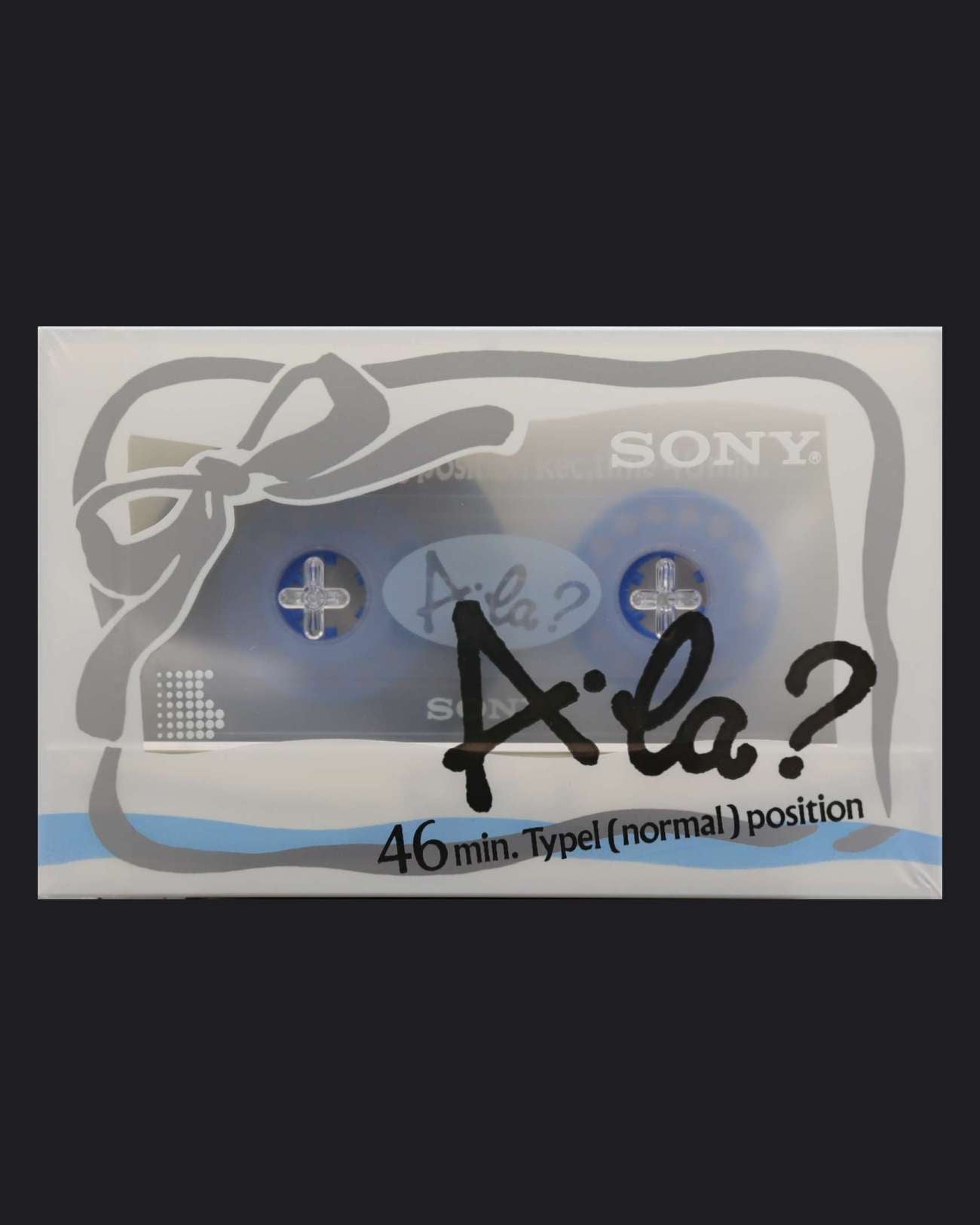
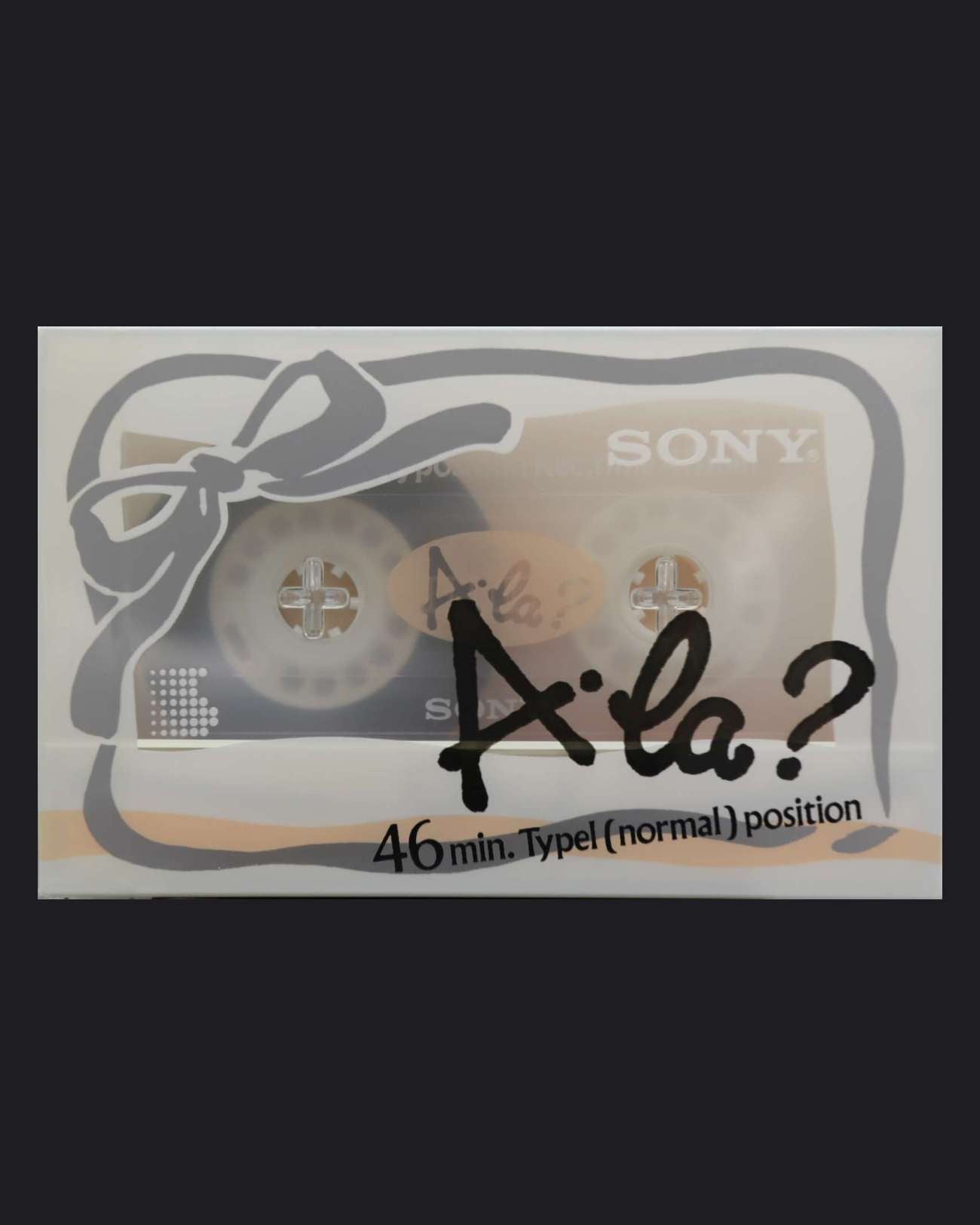
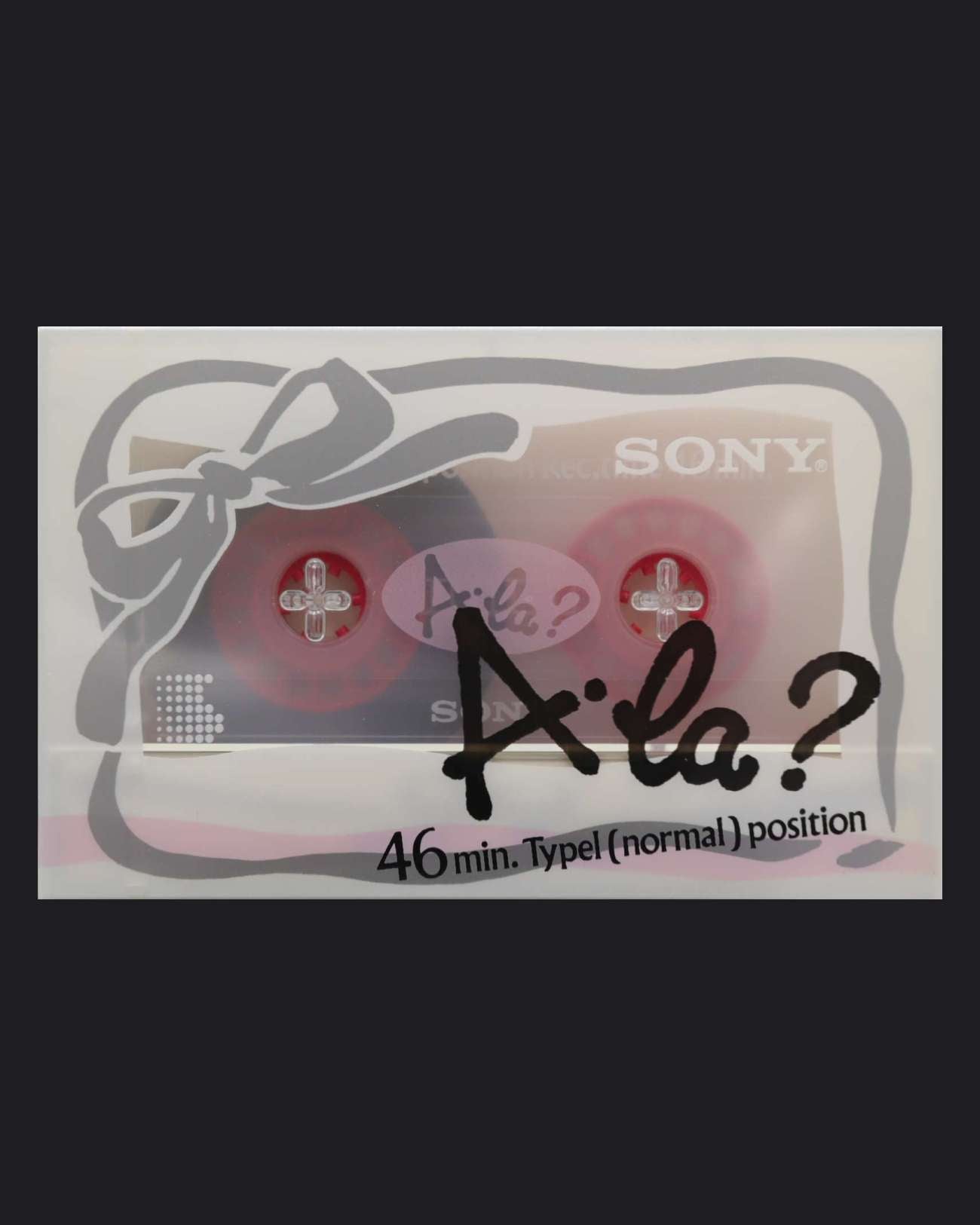
Sony A-la Type I - 1988 JP
Sony A-la Type I - 1988 JP
Regular price
$42.58 USD
Regular price
Sale price
$42.58 USD
 Risk free purchase: If it is damaged, we replace it or refund you.
 Sourced through trusted channels; Climate-controlled storage.
 New Old Stock- Not manufactured anymore. Limited quantities.


Quantity
Only a few left…
Couldn't load pickup availability
🚚 Shipping cost calculated at checkout · Free US shipping over $75 · Returns accepted within 14 days
Sony A-la (1988 JP) Cassette Tape
Sony A-la Cassette Description
The Sony A-la (1988 JP) cassette tape is a high-quality, analog magnetic tape designed for audio recording and playback. It is part of the compact cassette format, widely used for its reliability and versatility in various applications.
Sony A-la Technical Specifications
- Material: Polyester-type plastic film with a magnetic coating.
- Width: 0.15 inches (3.81 mm).
- Track Width: 1.5 mm for mono, 0.6 mm for stereo with a 0.3 mm separation.
- Tape Speed: 1.875 inches per second (4.76 cm/s).
- Capacity: Typically available in C60 (30 minutes per side), C90 (45 minutes per side), and C120 (60 minutes per side) formats.
- Users praise the Sony A-la cassette tape for its clear and consistent audio quality, making it suitable for both home recordings and professional applications. Many appreciate its durability and reliability, ensuring that recordings remain intact over time.
Sony A-la Key Features
- Analog Signal: The cassette tape supports analog signal recording and playback in four tracks.
- Reversible: The tape is reversible, allowing users to record and play back content on both sides.
- Write-Protect Notch: The cassette features a write-protect notch to prevent accidental recording over existing content.
Improvements over Previous Generation
The Sony A-la cassette tape builds upon the standard compact cassette design, offering improved magnetic tape formulations that enhance overall audio quality. The use of ferric oxide and cobalt mixed in varying ratios in the tape coating provides better signal-to-noise ratio compared to earlier models.