
-
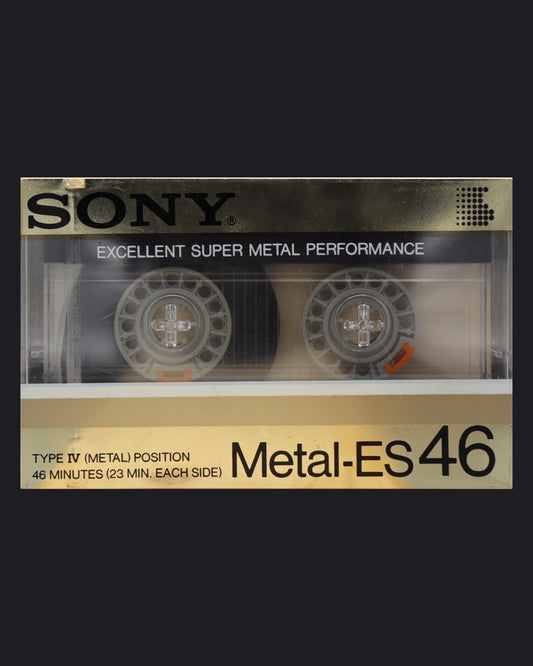
Sony Metal-ES Type IV - 1996 JP
Regular price From $25.79 USDRegular price -
Sony HF-S Type I - 1985 JP
Regular price From $12.59 USDRegular price -
Sony HF Type I - 1997 JP
Regular price From $6.00 USDRegular price$10.73 USDSale price From $6.00 USD -
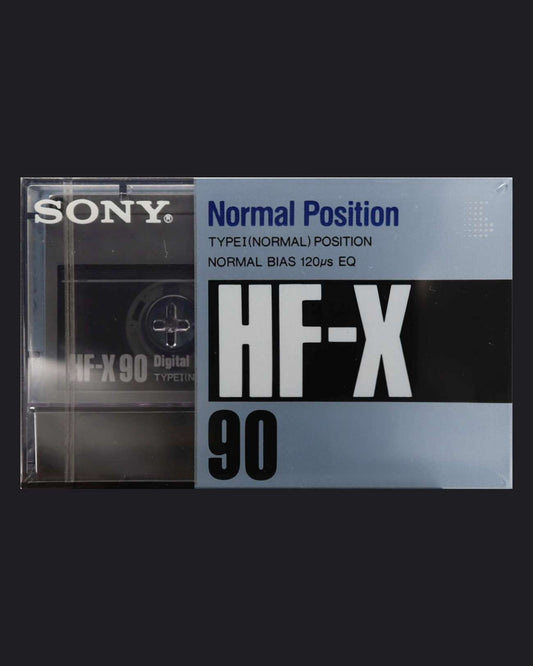
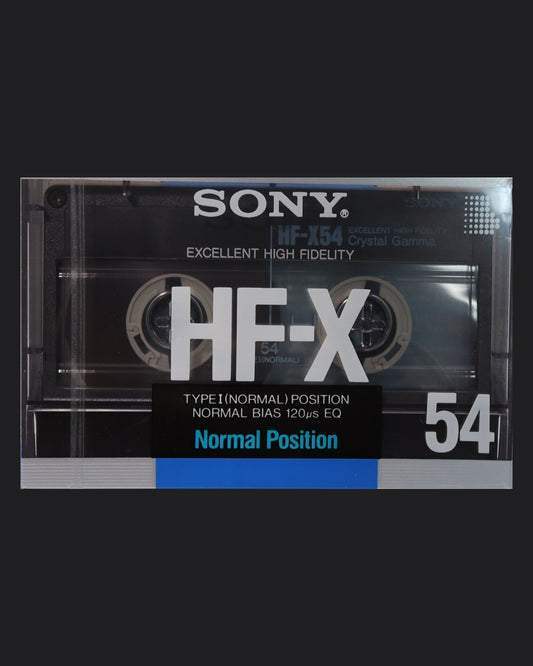
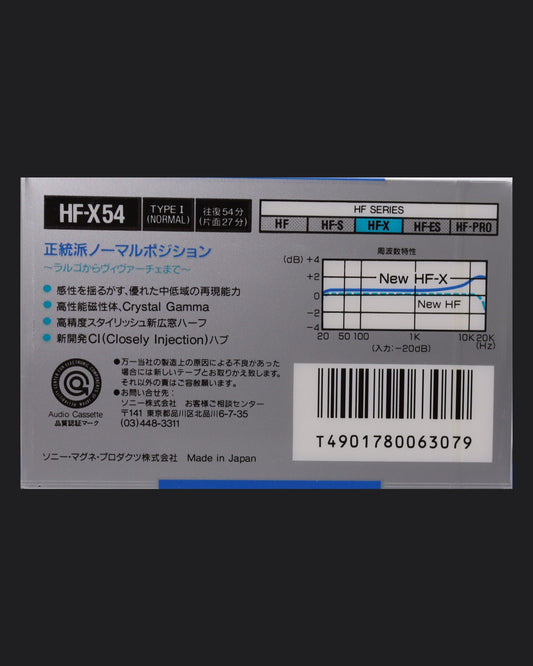
Sony HF-X Type I - 1989 JP
Regular price From $11.39 USDRegular price -
Sony HF Type I - 2001-2005 US
Regular price From $6.00 USDRegular price$8.36 USDSale price From $6.00 USD -
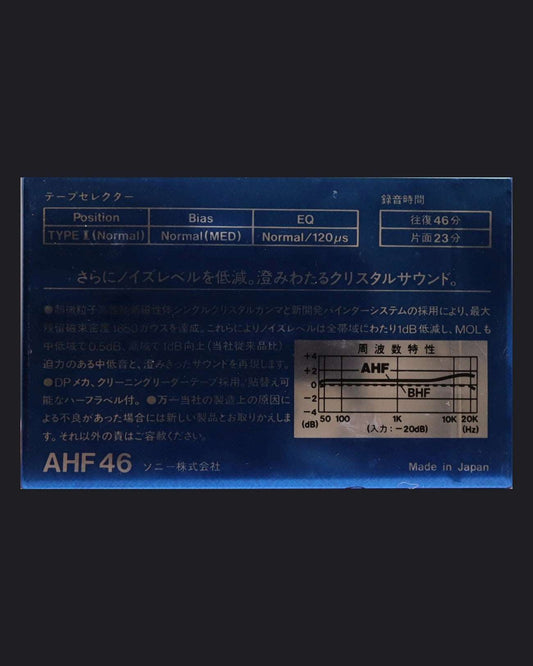
Sony AHF Type I - 1982-1984 JP
Regular price From $27.59 USDRegular price -
Sony KO Type I - JP
Regular price From $11.77 USDRegular price$14.33 USDSale price From $11.77 USD -
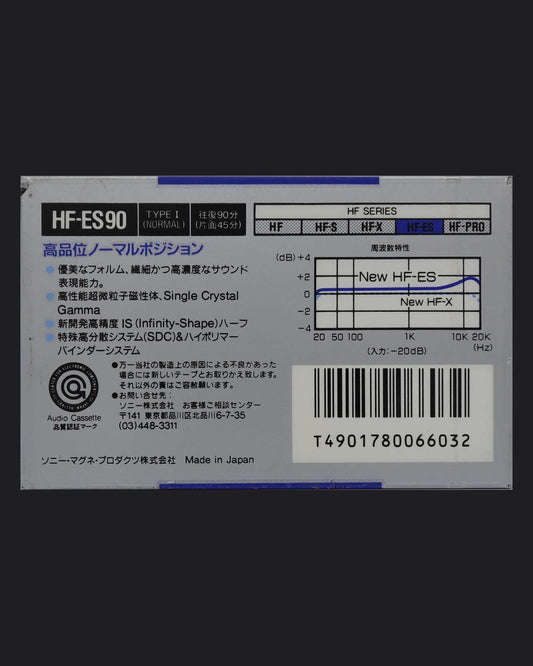
Sony HF-ES Type I - 1988 JP
Regular price From $19.19 USDRegular price -
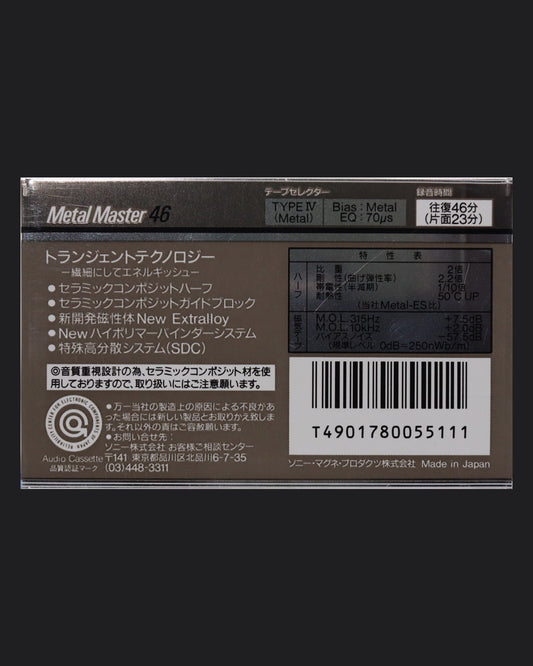
Sony Metal Master Type IV - 1988-1989 JP
Regular price From $83.99 USDRegular price -
Sony Metal-ES Type IV - 1985-1987 EU-JP
Regular price From $46.79 USDRegular price -
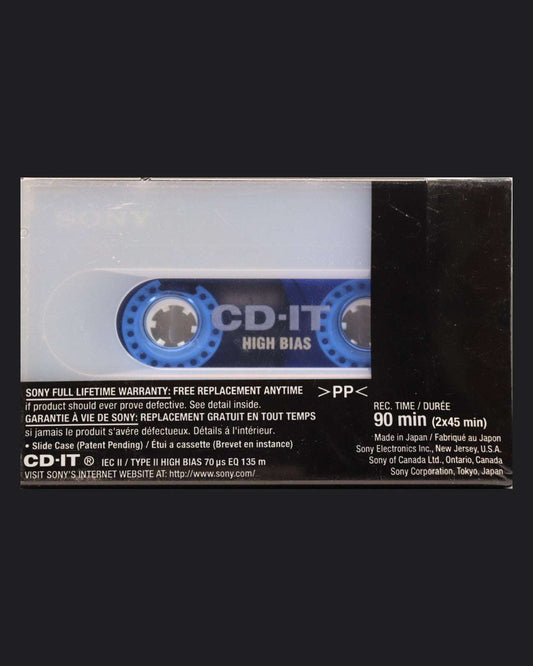
Sony CD-IT Type II - 1998-1999 US
Regular price From $12.25 USDRegular price$12.22 USDSale price From $12.25 USD -
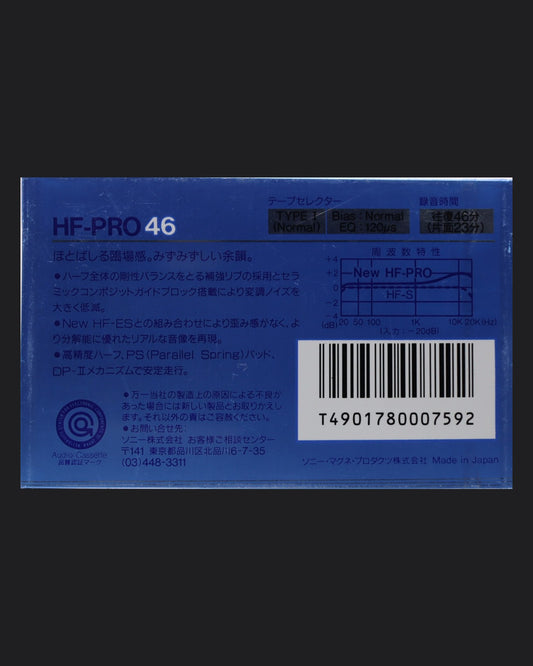
Sony HF-Pro Type I - 1986-1987 JP
Regular price From $37.79 USDRegular price -
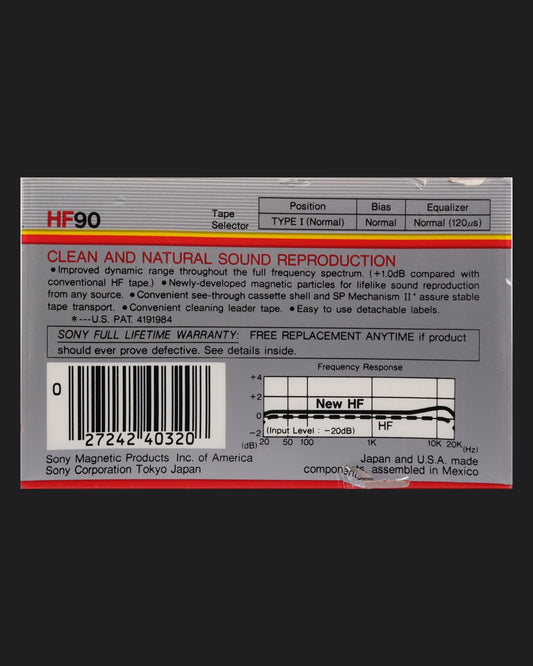
Sony HF Type I - 1986-1987 US-JP
Regular price From $14.47 USDRegular price -
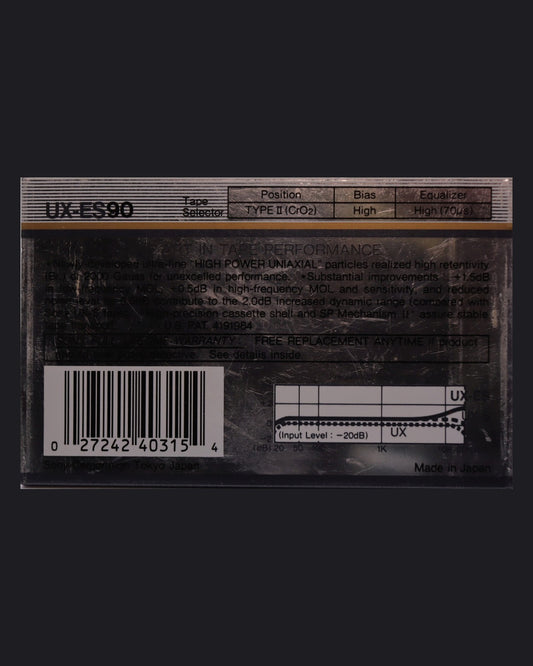
Sony UX-ES Type II - 1986-1987 EU-US
Regular price From $37.42 USDRegular price -
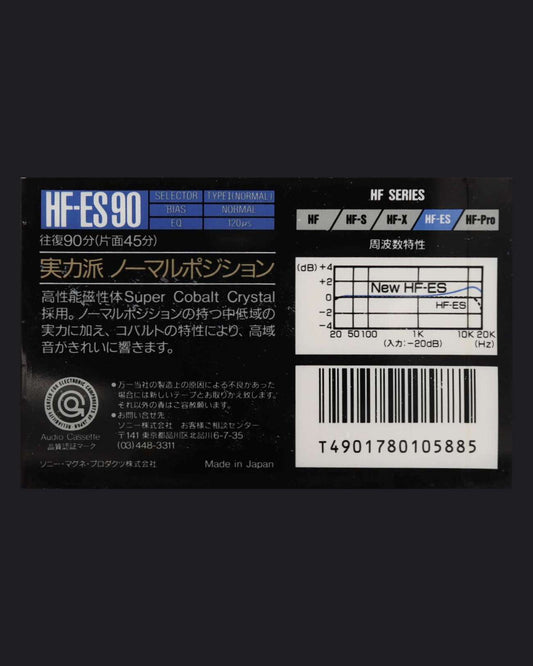
Sony HF-ES Type I - 1989 JP
Regular price From $16.79 USDRegular price -
Sony HF-X Type I - 1988 JP
Regular price From $13.79 USDRegular price

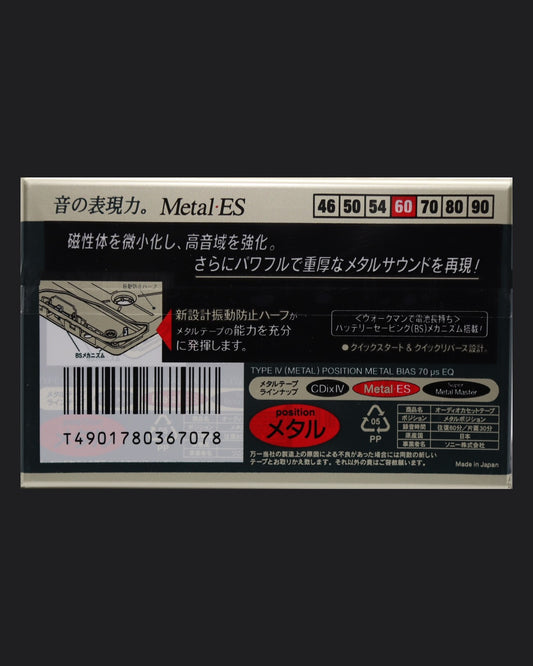

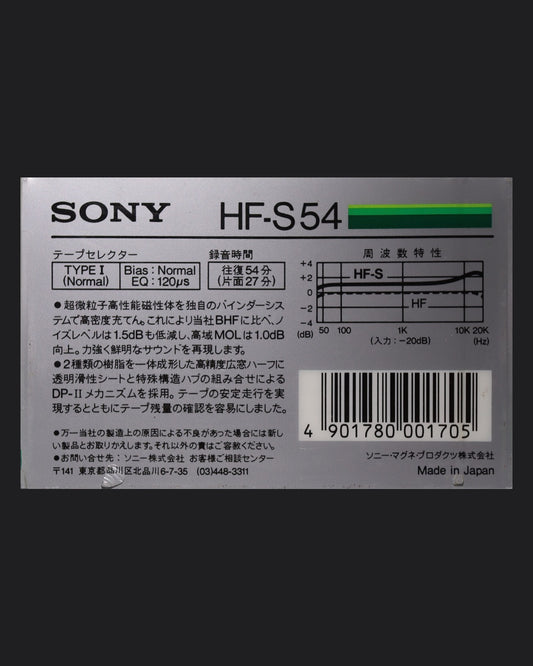

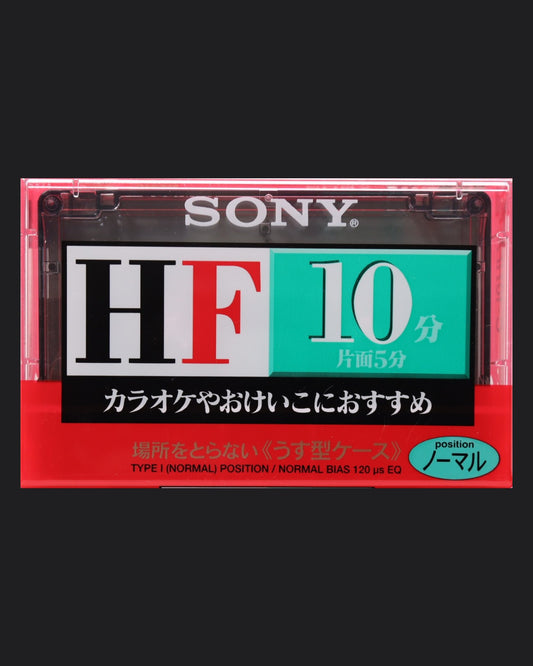
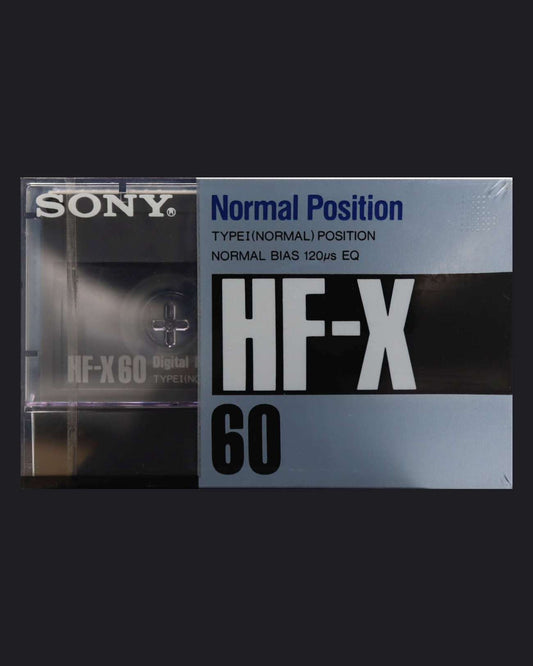











Sony Blank Cassette Tapes
Sony's relationship with the cassette tape runs deeper than any other company's. It was Sony who introduced the dual-layer ferrochrome (FeCr / Type III) tape in 1973, whose CS301 formulation became the IEC Type III reference. It was Sony who introduced the Walkman in 1979 — the portable cassette player that fundamentally changed how people consumed music, created a generation of personal audio culture, and drove demand for high-quality blank tape worldwide. And it was Sony's Metal ES cassette that Audio Magazine's Howard Roberson called "the best performing of any type evaluated to date" in his landmark 1987 comparative test.
Sony's tape lineup spanned every performance tier and every IEC type. Their Type II range evolved from the UCX and UCX-S (1980s flagship high-bias tapes, the UCX-S marketed as "the next best thing to metal") through the UX, UX-S, and UX-Pro — the latter featuring a unique ceramic insert as a precision tape guide. Sony also produced rare and technically extraordinary Type IV cassettes: the Metal ES (double-coated, dual-layer formula); the Metal Master (Metal ES tape in a ceramic composite shell for acoustic damping and azimuth stability); and the Super Metal Master (four-layer magnetic coating, three layers of magnetic material plus a back coating, representing the absolute peak of Sony's cassette engineering).
Key Sony models in our collection: CHF, HF, BHF (entry-level Type I across multiple generations); AHF (premium super ferric Type I); UCX and UCX-S (early 1980s flagship Type II); UX, UX-S, UX-Pro (later flagship Type II series); Metal XR and Metal SR (standard Type IV); Metal ES (dual-layer premium Type IV); Metal Master and Super Metal Master (apex collector cassettes); and FeCr (rare Type III ferrochrome).
All tapes are new sealed NOS. Free US shipping on orders over $75.
Frequently Asked Questions
What are the best Sony blank cassette tapes?
Sony Metal Master (ceramic shell, Metal ES tape) and Super Metal Master (four-layer coating) are Sony's absolute finest. For Type II, UX-Pro (ceramic tape guide insert) and UX-S are the premium options. The rare FeCr (Type III ferrochrome) tapes are the most historically significant Sony cassettes.
What is the Sony Walkman and how did it change cassette tape?
Sony introduced the Walkman in 1979 — the world's first portable cassette player with lightweight headphones. It fundamentally transformed how people consumed music, created the personal audio industry, and drove massive demand for high-quality blank tape. The Walkman made cassette the dominant personal music format for two decades.
What is the Sony UCX cassette tape?
Sony UCX and UCX-S were Sony's flagship Type II cassettes in the early-to-mid 1980s, before the product line was renamed UX. The UCX-S was marketed as 'the next best thing to metal.' Both used Sony's high-quality ferricobalt formulation and are respected by collectors for their performance and distinctive packaging.
Did Sony invent Type III FeCr ferrochrome tape?
Yes. Sony introduced the dual-layer ferrochrome tape in 1973, with the Sony CS301 formulation becoming the IEC Type III reference standard. Sony continued producing FeCr cassettes until 1988 — longer than any other manufacturer — making Sony the primary source for Type III tapes.
What is the difference between Sony Metal ES and Metal Master?
The Sony Metal Master uses the same Metal ES tape formula in a ceramic composite shell. The shell is the key differentiator — ceramic damps resonances that even precision plastic shells cannot eliminate, improving azimuth stability. The Super Metal Master adds a proprietary four-layer magnetic coating exclusive to that model.