
-
Daiso Flower Series Type I - 2003 KR
Regular price From $16.38 USDRegular price -
Daiso Zebra Series - BASF Tape Type I - 2003 KR
Regular price From $20.03 USDRegular price -

 Sold out
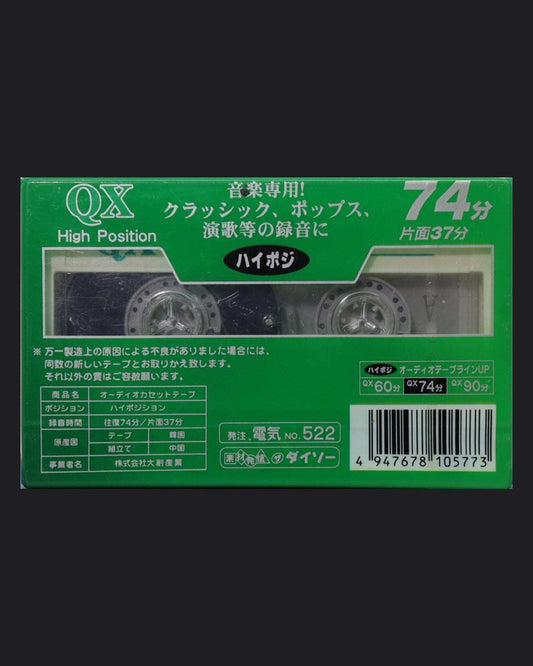
Daiso QX Type II - 2001 CH
Regular price From $16.61 USDRegular price -
Daiso AN Type I - 2003 KR
Regular price From $16.90 USDRegular price -
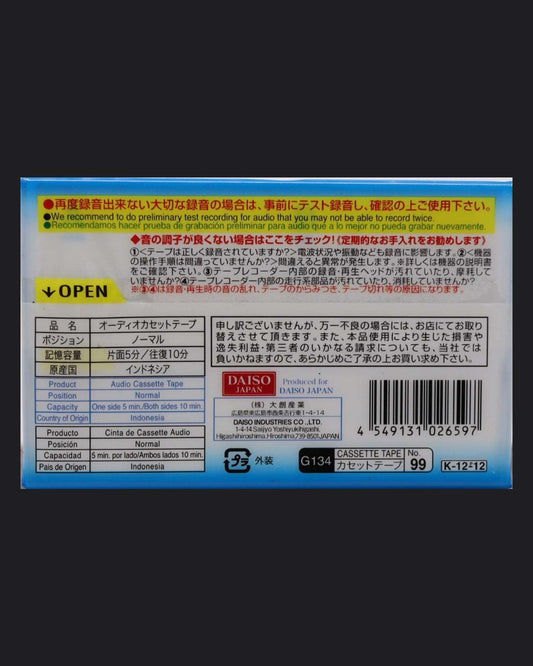
Daiso G134 Type I - 2004 ID
Regular price $14.93 USDRegular price -
 Sold out
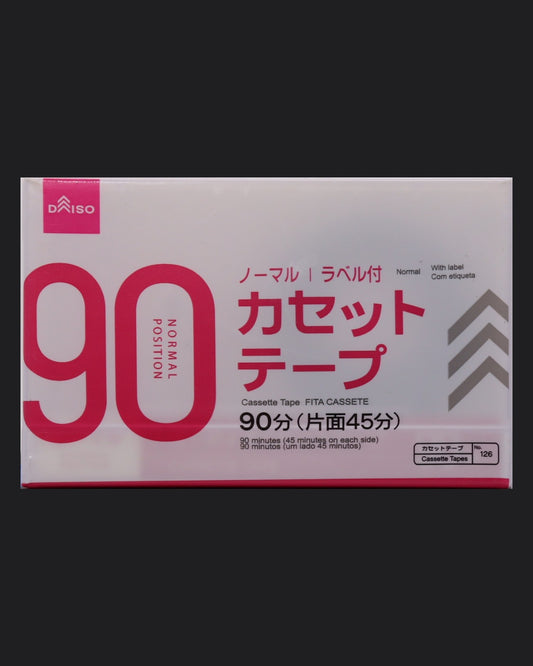
Daiso FITA Type I - 2012 CH
Regular price From $7.98 USDRegular price -
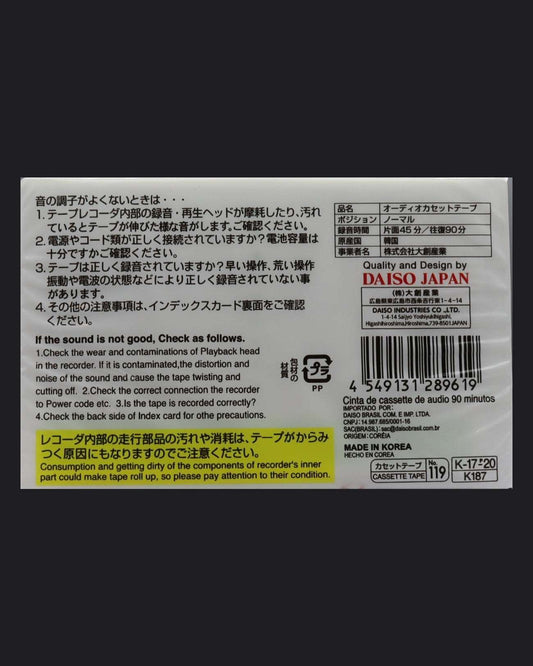
Daiso #119 B Type I - 2005 KR
Regular price From $11.66 USDRegular price -
Daiso #119 Type I - 2005 KR
Regular price $11.66 USDRegular price -
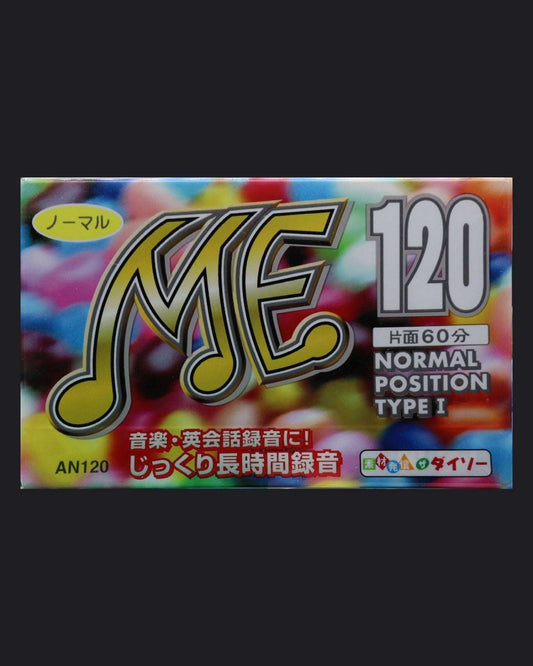
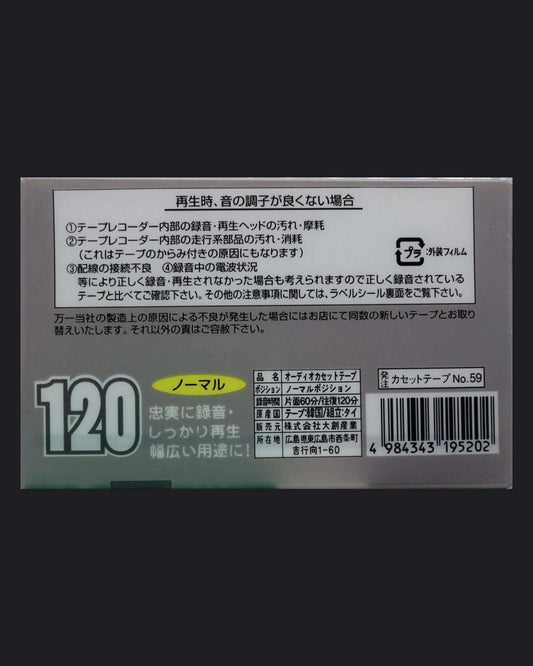
Daiso ME Type I - 1996 KR
Regular price $12.23 USDRegular price -
Daiso G134 Type I - 2012 ID
Regular price From $13.37 USDRegular price

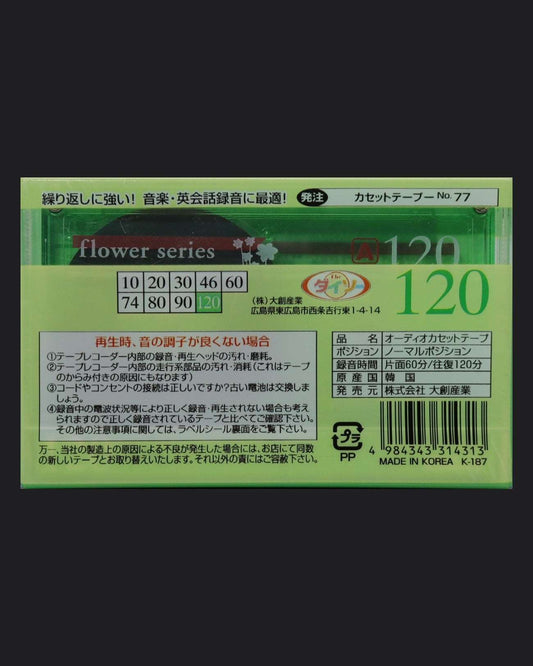
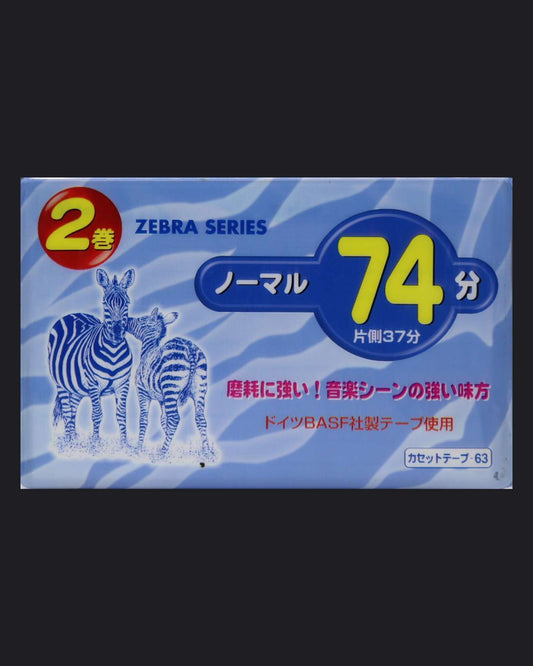
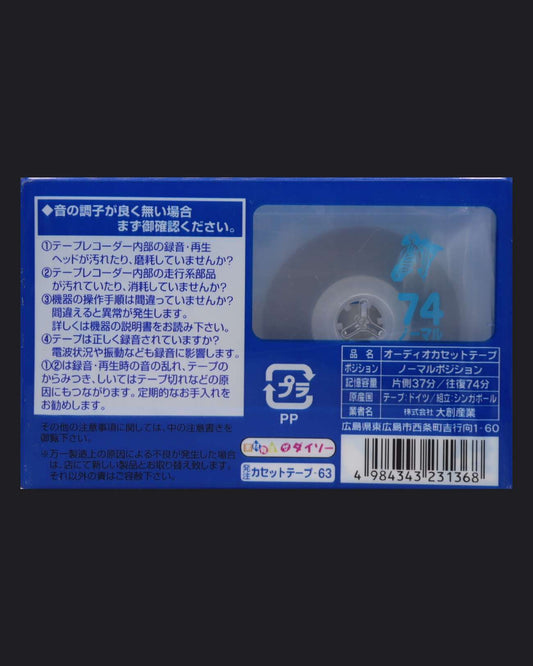


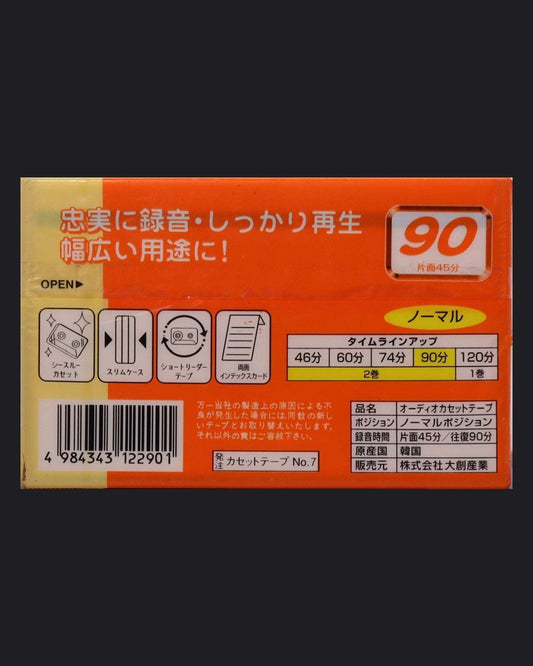
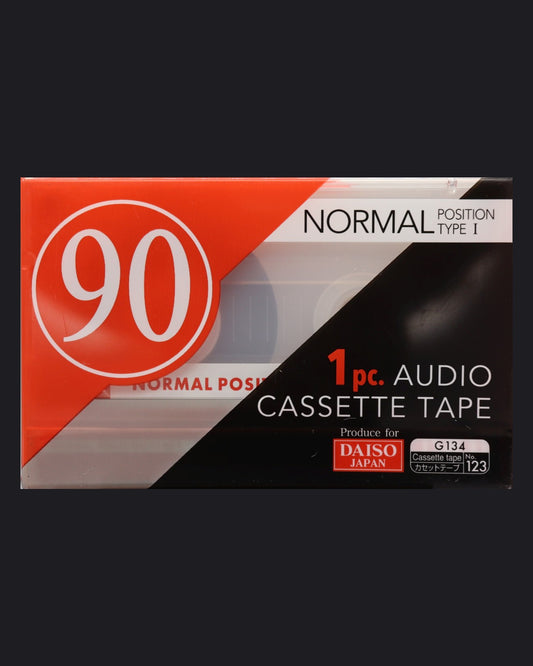
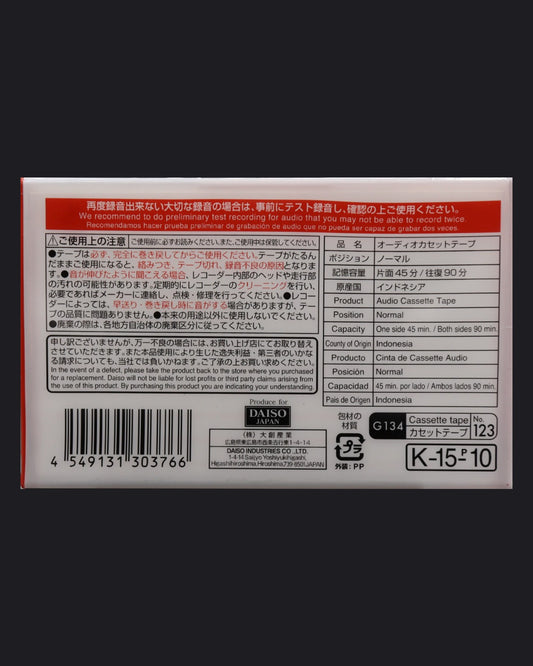
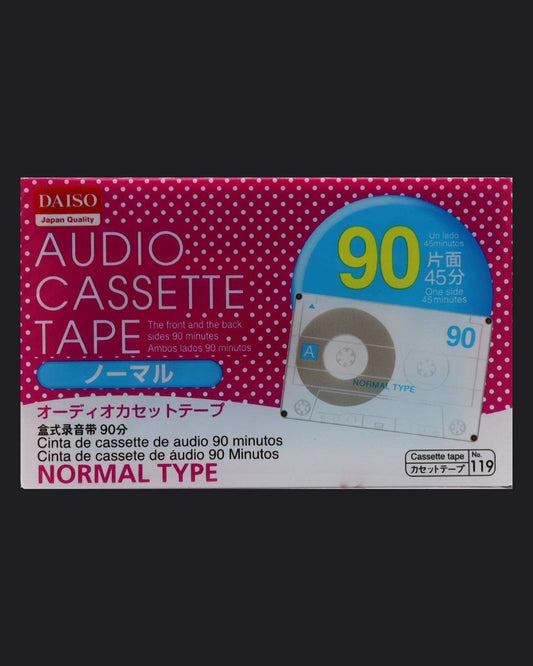
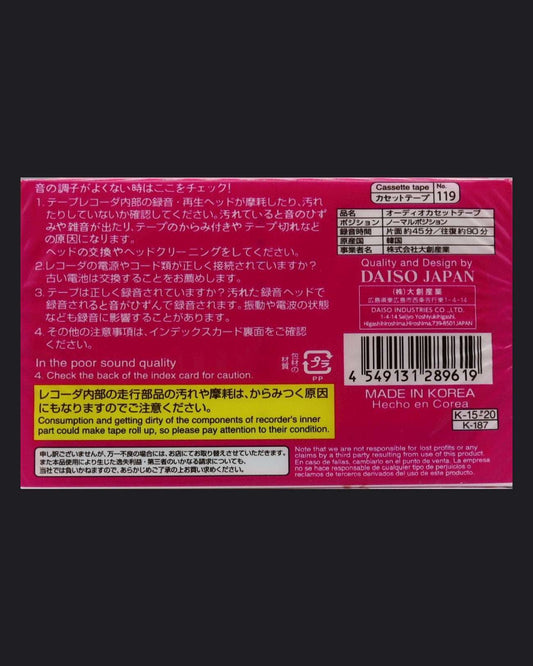
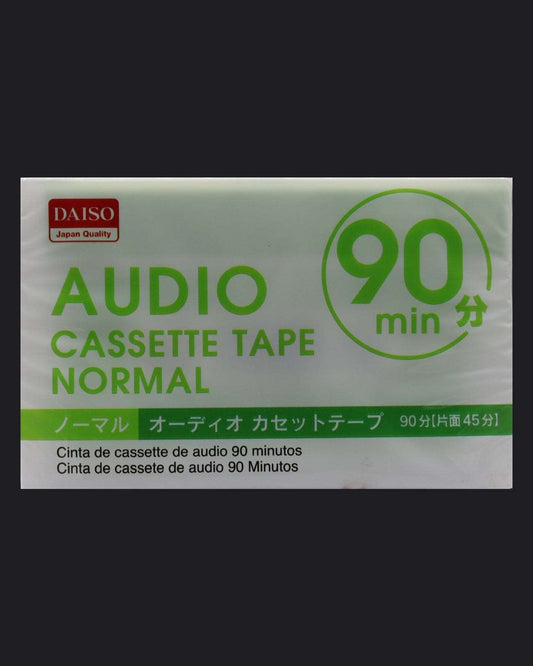

Daiso Blank Cassette Tapes
Daiso Industries Co., Ltd. (株式会社大創産業) is Japan's largest and most influential 100-yen shop chain, founded by Hirotake Yano. The concept began in 1972 as a street vending shop — "Yano Shoten" — with all items priced at 100 yen. Yano formally founded Daiso in 1977, and the chain eventually grew to over 5,500 locations worldwide, with branches in 25 countries including Japan, the United States, Australia, and Singapore. Daiso's guiding philosophy — that even inexpensive things should be made with care — is rooted in the Japanese concept of monozukuri: the art of crafting with spirit.
Among Daiso's more unusual product categories was blank audio cassette tape. Daiso sold its own branded cassettes in Japan through the 1980s, 1990s, and into the 2000s — both Type I normal bias and Type II high bias — primarily manufactured by Saehan in South Korea (the same company that was a major OEM supplier to Memorex, Maxell, and others). Daiso tapes were priced at 100 yen per tape, making them the most affordable cassettes in the Japanese market. Despite the price point, Tapeheads community members who tested Daiso Type II reported surprisingly competitive performance — one Japanese user wrote that compared to BASF pure chrome, the Daiso high-bias tape was "much higher sensitivity and wide range," with "vivid sound" that exceeded expectations for the price point.
Daiso cassettes are genuinely rare collector objects outside Japan — they were sold only in Daiso stores, primarily in the Japanese domestic market, and were never exported through conventional retail channels. Finding a sealed NOS Daiso cassette in the West is an unusual event. All tapes are new sealed NOS. Free US shipping on orders over $75.
Frequently Asked Questions
What is Daiso cassette tape?
Daiso is Japan's largest 100-yen shop chain, founded by Hirotake Yano in 1977. Daiso sold its own branded blank audio cassettes — both Type I and Type II — primarily manufactured by Saehan in South Korea. These were sold exclusively through Daiso stores in Japan at 100 yen per tape, making them the most affordable cassettes in the Japanese market.
Are Daiso cassette tapes any good?
Better than expected. A Japanese tester comparing Daiso Type II high-bias tape to BASF pure chrome reported it was 'much higher sensitivity and wide range' with 'vivid sound,' significantly outperforming expectations for a 100-yen tape. They are not audiophile reference tapes, but they are functional, usable cassettes.
Who made Daiso cassette tapes?
Daiso cassettes were manufactured by Saehan in South Korea — the same company that supplied OEM cassette tape to Memorex, Maxell, and other major Western brands. Daiso CN-series tapes are confirmed Saehan production.
Why are Daiso cassettes collectible?
Daiso cassettes were sold only through Daiso stores in Japan and were never exported through conventional retail channels. Finding a sealed NOS Daiso cassette outside Japan is genuinely unusual. They represent an entirely different segment of cassette history — mass-market convenience tape sold alongside kitchen goods and stationery in a 100-yen shop.
Does Daiso still sell cassette tapes?
Daiso discontinued blank cassette tape sales as the format declined in Japan through the 2000s. All Daiso cassettes available today are NOS from original production, typically from the 1980s through the early 2000s.