
-

 Sold out
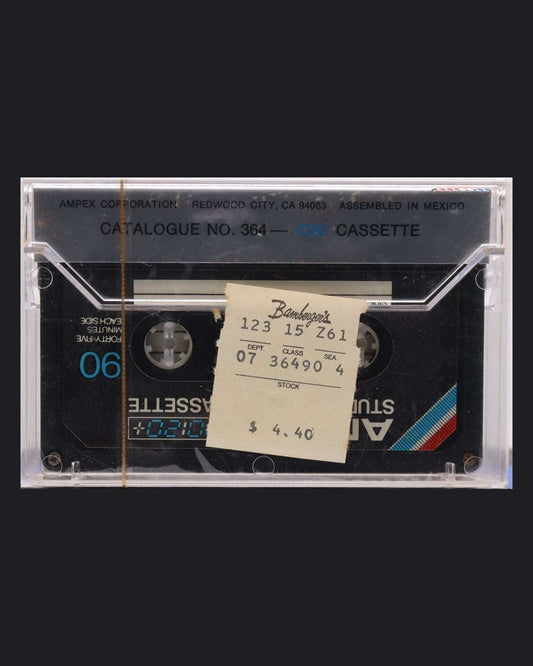
Ampex 20/20+ Type I - 1978-1979 US
Regular price From $14.50 USDRegular price -
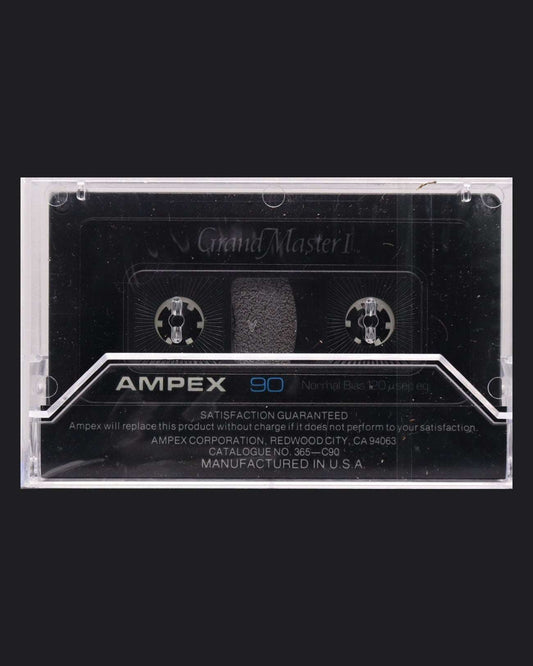
Ampex GrandMaster I Type I - 1980-1981 US
Regular price From $15.42 USDRegular price -
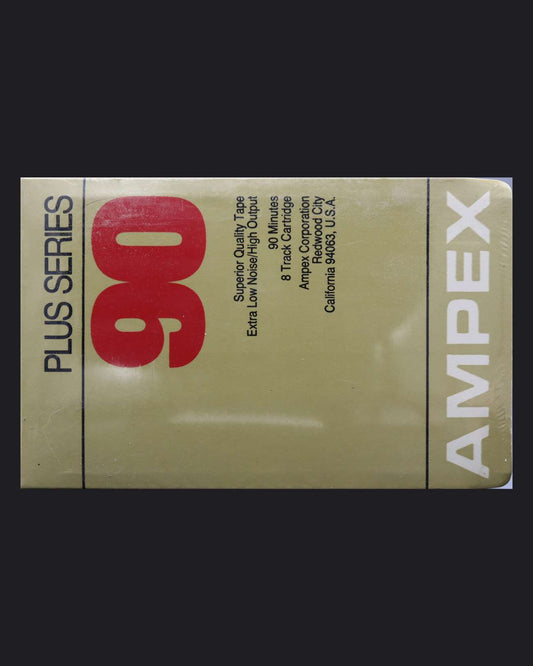
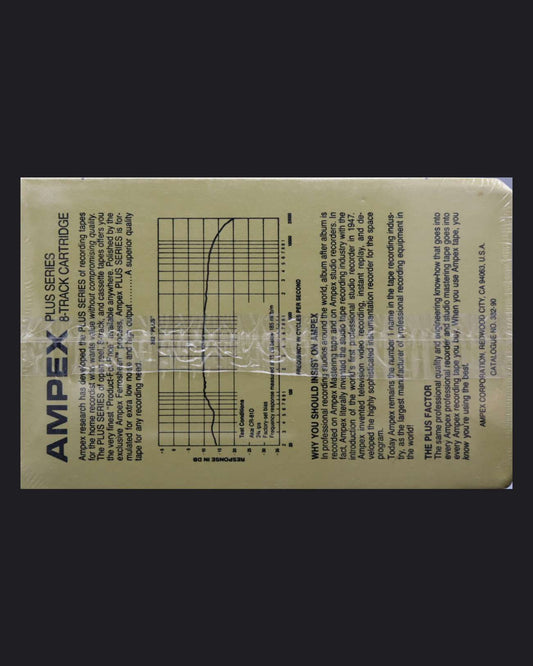
Ampex Plus Series 8-Track Tape (US)
Regular price $17.62 USDRegular price -
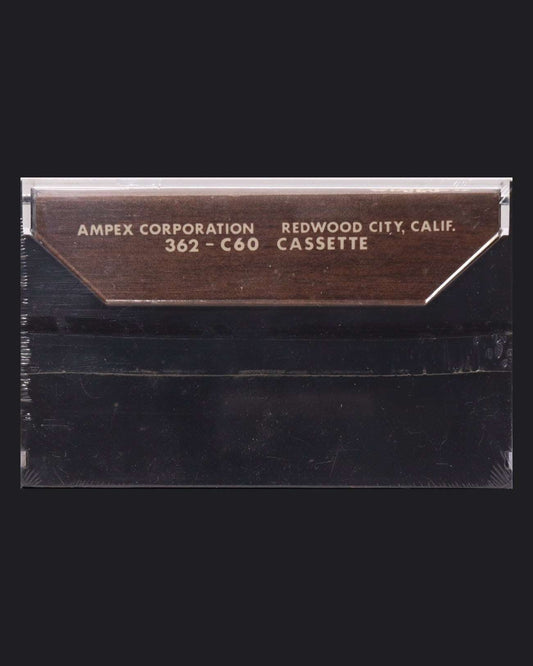
Ampex 362 Extended Frequency Type I - 1972-1974 US
Regular price From $17.30 USDRegular price -
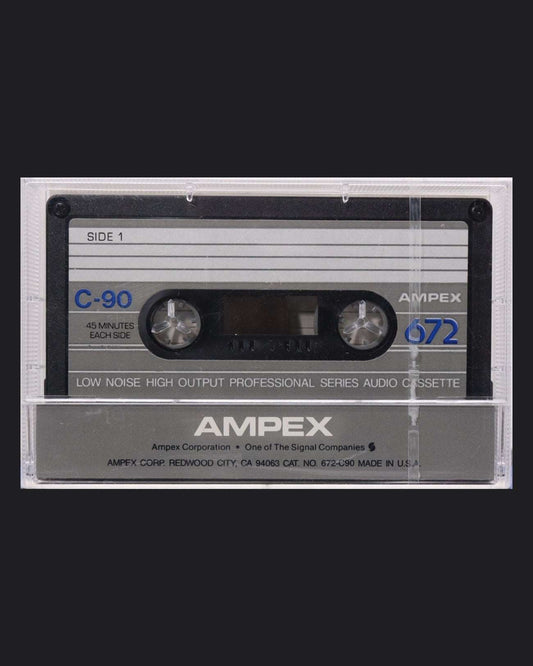
Ampex 672 Type I - 1985-1993 US
Regular price From $16.56 USDRegular price -
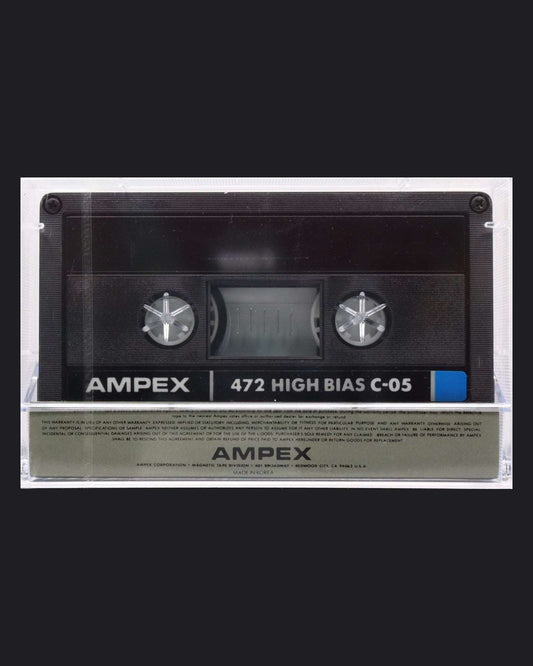
Ampex 472 Studio Type II - 1985-1993 US
Regular price $28.87 USDRegular price$44.29 USDSale price $28.87 USD -
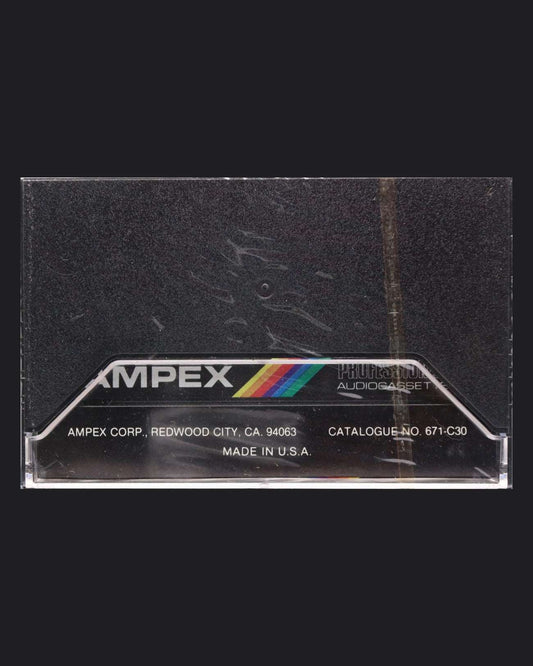
Ampex Professional 671 Type I - 1979 US
Regular price $11.52 USDRegular price






Ampex Blank Cassette Tapes
Ampex Corporation holds a unique place in the history of recorded sound. Founded in 1944 in Redwood City, California, Ampex built the first professional tape recorders to reach the American market — the Model 200, used by ABC to record Bing Crosby's radio show in 1947, the first delayed broadcast in US radio history. Les Paul received an early Ampex 200A from Crosby and used it to invent "Sound on Sound" overdub recording. In 1956, Ampex created the first commercially successful videotape recorder, revolutionizing the television industry. Ampex tape recorders and tape stock were the professional studio standard throughout the 1950s and 1960s, used to record a substantial portion of the most important music of the twentieth century.
Ampex entered the compact cassette market in 1969 with the 361 series, and later developed the Grand Master and 20/20 Plus cassette lines. The Grand Master Type I (365) and Type II (366) were among the more refined consumer-market Ampex cassettes from the late 1970s and early 1980s, carrying the engineering credibility of a company whose professional tape products — Ampex 456, 499 — were the undisputed standard in studio recording for decades. Ampex cassettes occupy a distinct collector niche: American-made magnetic media from the company that established the entire professional recording tape category.
Key Ampex cassette models in our collection: Grand Master Type I (365) and Grand Master Type II (366) (late-1970s to early 1980s premium consumer lines); 20/20 Plus (mid-range series); and related Ampex consumer cassette lines. These are genuine historical artefacts from the founding institution of professional magnetic recording in America.
All tapes are new sealed NOS. Free US shipping on orders over $75.
Frequently Asked Questions
What is Ampex's significance in recording history?
Ampex built the first professional tape recorders to reach the American market, used by ABC to record Bing Crosby's radio show in 1947 — the first delayed broadcast in US radio history. Les Paul used an early Ampex 200A to invent overdub recording. In 1956, Ampex created the first commercially successful videotape recorder. Ampex tape was the professional studio standard for decades.
What is Ampex 456 tape?
Ampex 456 Grand Master is a professional reel-to-reel tape that was the undisputed sales leader for professional studio analog recording through the 1970s and 1980s. It offered noticeably higher output than competing brands and was used to record a substantial proportion of the most important music of the era.
Did Ampex make blank cassette tapes for consumers?
Yes. Ampex entered the compact cassette market in 1969 with the 361 series, later developing the Grand Master (Type I: 365, Type II: 366) and 20/20 Plus cassette lines. These brought Ampex's professional tape credibility to the consumer market in the late 1970s and early 1980s.
What happened to Ampex?
Ampex's tape business was rendered largely obsolete by digital storage in the 1990s. The recording media division was spun off as Quantegy in 1995. In 1996, 3M also sold its magnetic tape assets to Quantegy. Quantegy itself eventually ceased production of most formats in the early 2000s.
Are Ampex cassette tapes collectible?
Yes, particularly for American tape history collectors. Ampex Grand Master cassettes are finite NOS items from a brand that defined professional recording — the same name on reel-to-reel tapes used to record countless classic albums. They carry significant provenance value beyond their audio performance.