
-
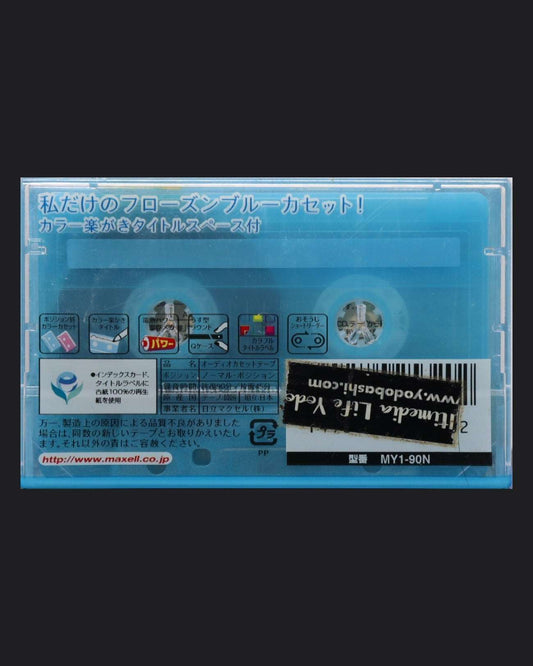
Maxell My 1 Type I - 2000-2001 JP
Regular price From $13.97 USDRegular price -
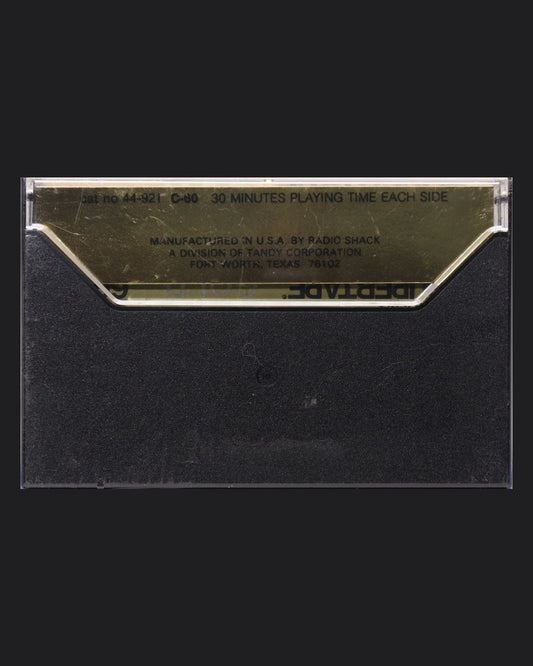
Supertape Gold Type I - 1978-1983 US
Regular price From $15.54 USDRegular price -
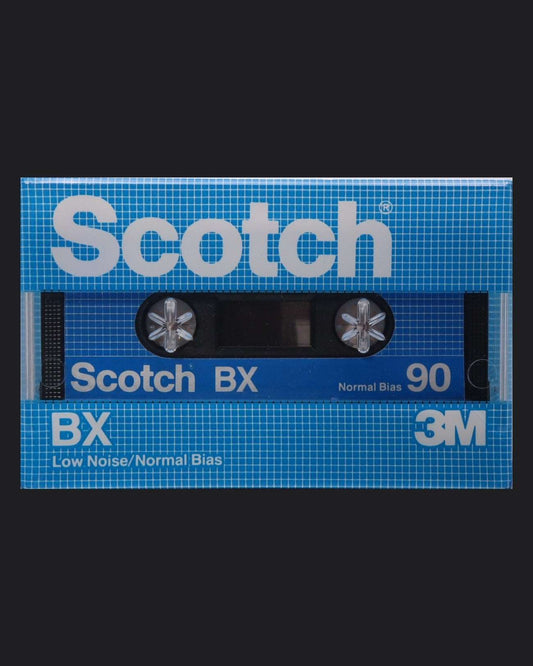
Scotch BX Type I - 1982-1986 US
Regular price From $7.73 USDRegular price -
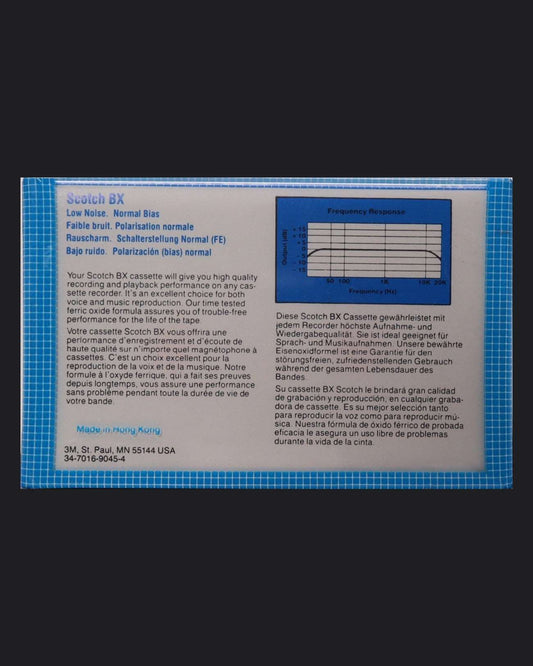
Scotch BX Type I - 1993-1996 US
Regular price From $8.98 USDRegular price$11.63 USDSale price From $8.98 USD -
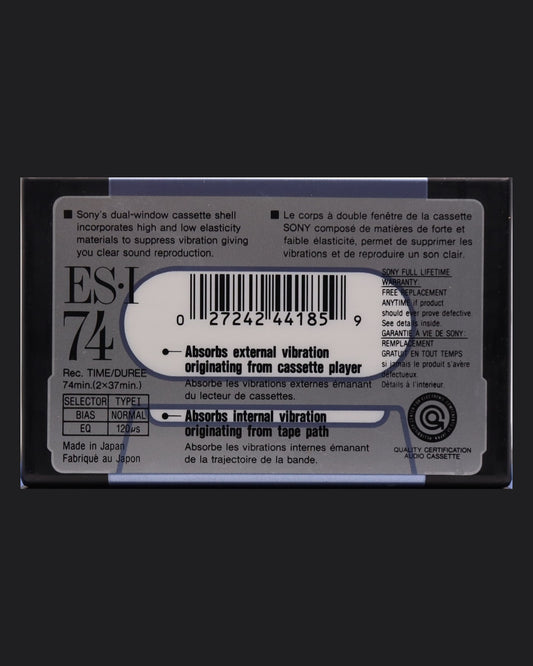
Sony ES I Type I - 1991 JP
Regular price From $27.43 USDRegular price -
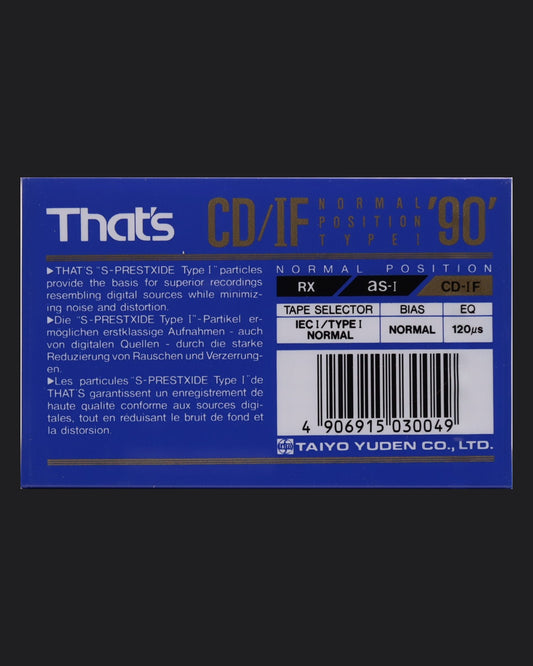
That's CD/IF Type I - 1990-1992 EU
Regular price From $40.54 USDRegular price -
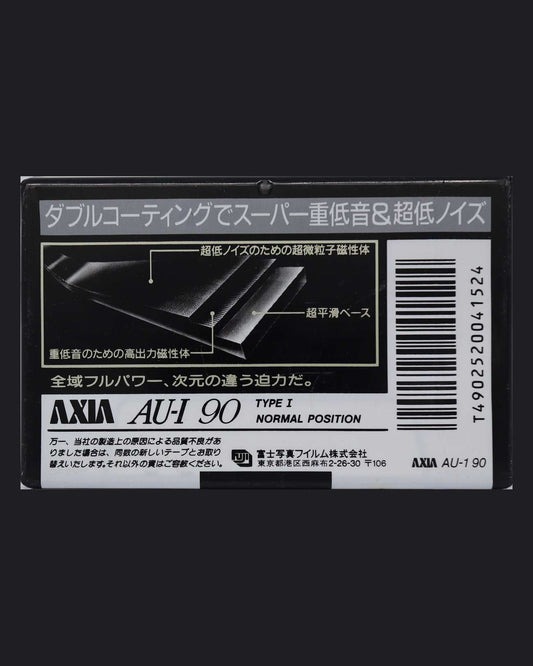
AXIA AU-I Type I - 1991 JP
Regular price From $21.36 USDRegular price -
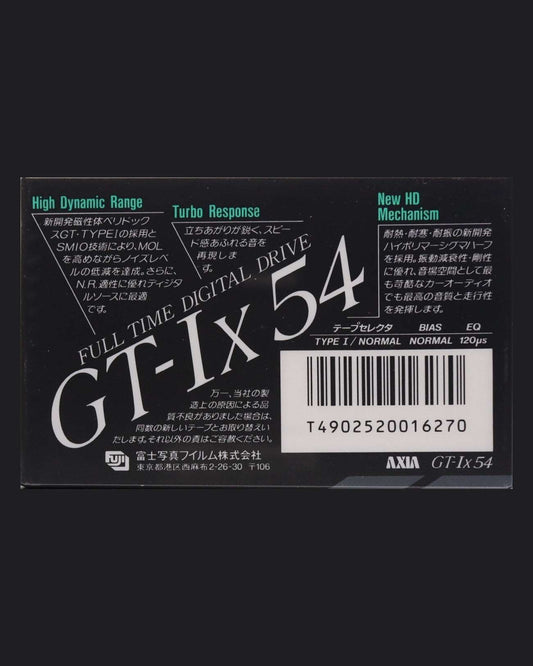
AXIA GT-Ix Type I - 1988 JP
Regular price From $20.32 USDRegular price -
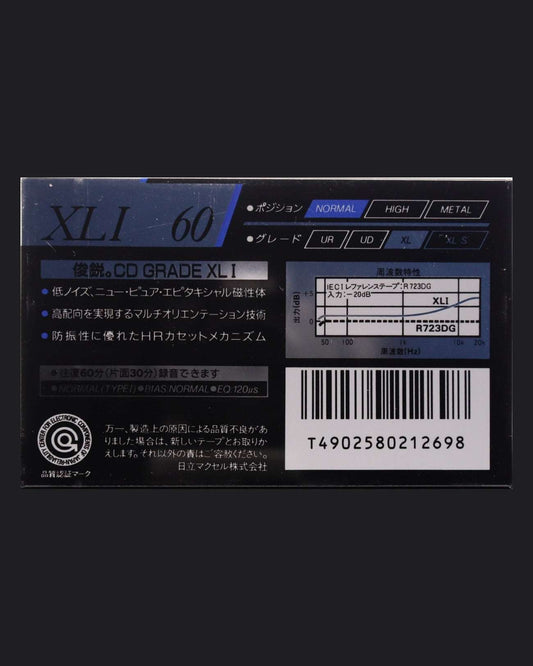
Maxell XLI Type I - 1990-1991 JP
Regular price From $22.27 USDRegular price -
Scotch Classic Type I - 1975-1976 US
Regular price From $12.37 USDRegular price -
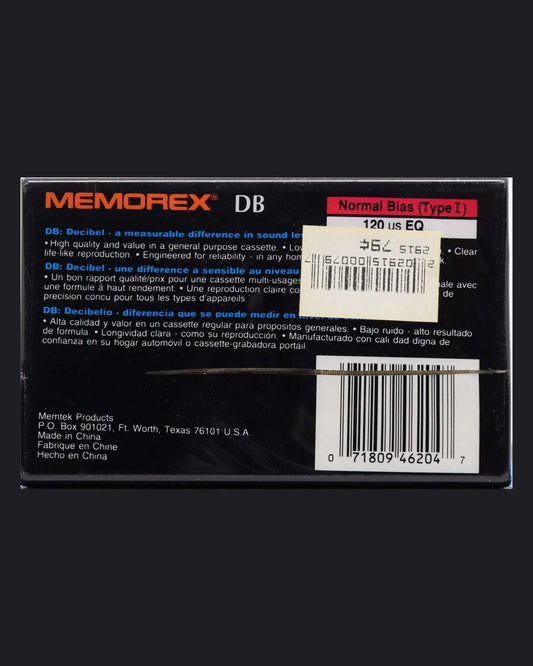
Memorex DB Type I - 1995-1996 US
Regular price From $7.27 USDRegular price -
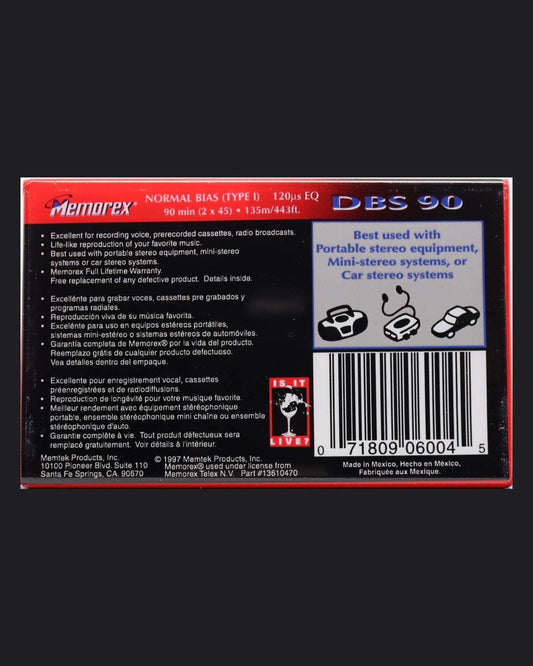
Memorex DBS Type I - 1997-1999 US
Regular price From $7.72 USDRegular price -
Radio Shack LN Type I - 1995-2000 US
Regular price From $9.14 USDRegular price -
RCA RC Type I - 1998 US
Regular price From $7.66 USDRegular price -
Zenith HR Type I - US
Regular price From $5.80 USDRegular price -
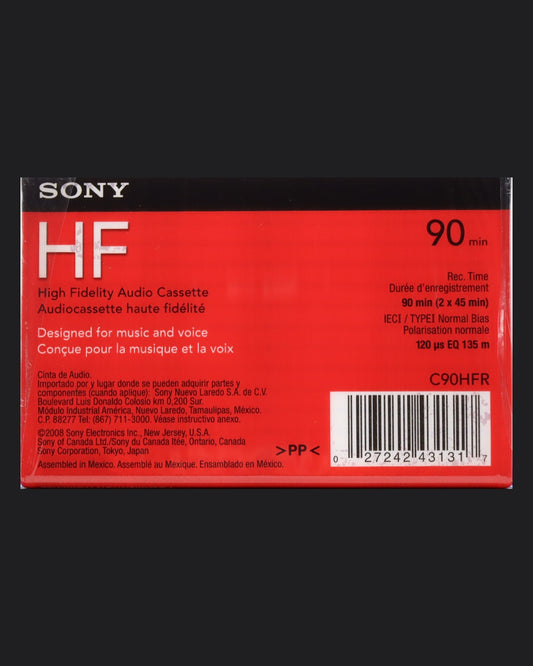
Sony HF Type I - 2008 US
Regular price From $6.00 USDRegular price












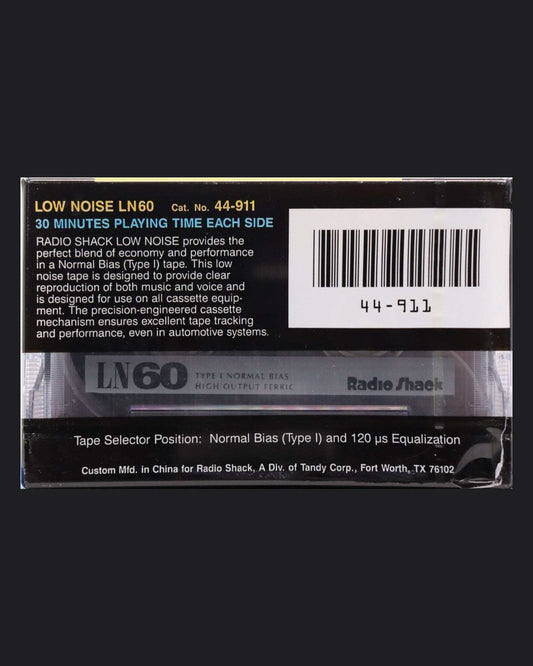

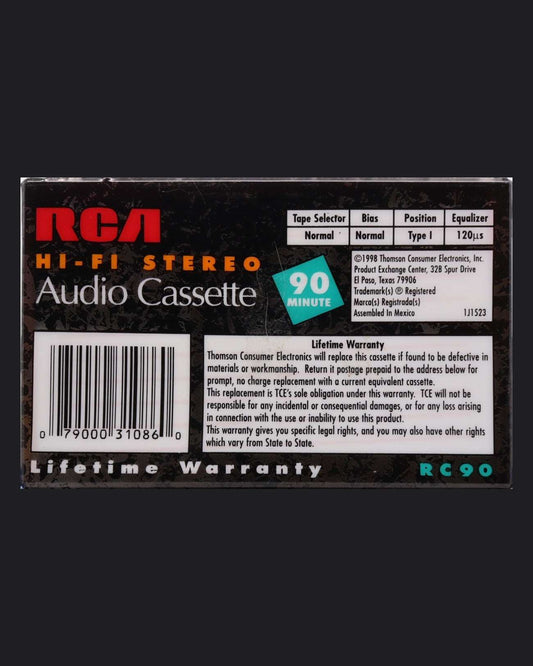
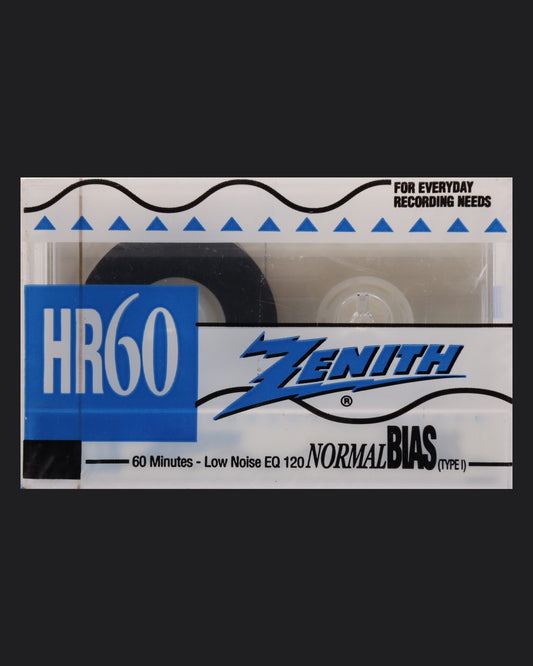
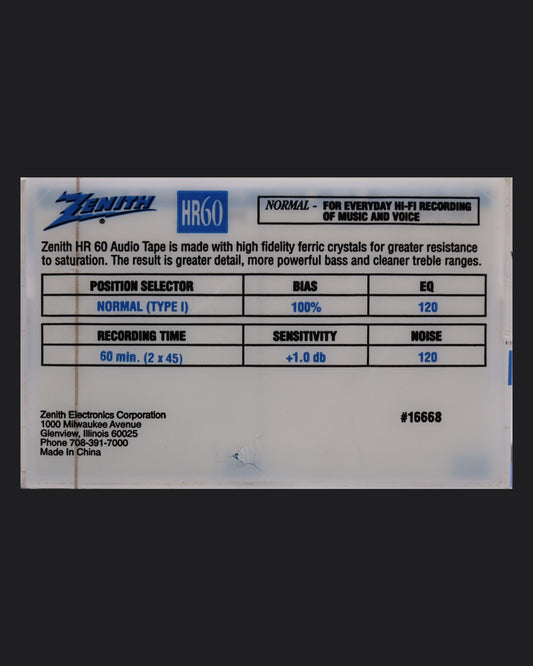

Type I Normal Bias Blank Cassette Tapes
Type I — also designated IEC I or "normal bias" — is the original cassette tape formulation, using gamma ferric oxide (γ-Fe₂O₃) particles applied to a polyester backing. Specifications were standardized by the International Electrotechnical Commission (IEC) in 1979, establishing the 120 μs playback equalization and normal bias setting used by every cassette deck ever made. Because every deck supports Type I, these tapes offer the broadest compatibility of any cassette format.
Type I tapes record with a bias current set at the baseline normal level, and their characteristic sound is warm and musical — strong in the low-to-mid frequencies, with a gentle high-frequency roll-off compared to chrome or metal formulations. Entry-level Type I tapes such as TDK D, Sony HF, and Maxell UR were the workhorses of home recording for decades: durable, affordable, and universally compatible.
What is Type I used for? Type I is ideal for speech recording, podcasting, lo-fi music recording, mixtapes, and any application where warm analog character matters more than extended treble. With Dolby B noise reduction, a well-calibrated deck and a quality Type I tape produce results that remain satisfying by any standard.
All Type I tapes in our collection are new old stock (NOS), factory sealed, sourced from original retail or warehouse inventory. Free US shipping on orders over $75.
Frequently Asked Questions
What is a Type I normal bias cassette tape?
Type I (IEC I) is the original cassette tape formulation, using gamma ferric oxide (γ-Fe₂O₃). It records with normal bias and plays back with 120 μs equalization. Every cassette deck ever made supports Type I, making it the most universally compatible cassette format.
What is Type I cassette tape used for?
Type I is ideal for speech recording, podcasting, lo-fi music, mixtapes, and any application where warm analog character is preferred over clinical precision. With Dolby B noise reduction and a well-calibrated deck, quality Type I tapes produce very satisfying results.
Is Type I the same as 'normal bias' tape?
Yes — the terms are interchangeable. 'Normal bias' refers to the recording bias current level standardized by the IEC for Type I ferric oxide tapes. Any deck set to 'Normal' or 'Type I' is configured for these tapes.
What are the best Type I normal bias cassette tapes?
For everyday use, TDK D, Sony HF, and Maxell UR are the classic workhorses. For audiophile-grade Type I performance, premium super ferric tapes like TDK AR-X, Maxell XLI-S, and BASF Ferro Maxima I approach the performance of Type IV metal tapes while remaining fully Type I compatible.
Do Type I tapes work in all cassette players?
Yes. Type I is the baseline format every cassette deck supports. Budget portable players, car stereos, Walkmans, and high-end three-head decks all play Type I tapes correctly with no settings adjustment needed.