
-
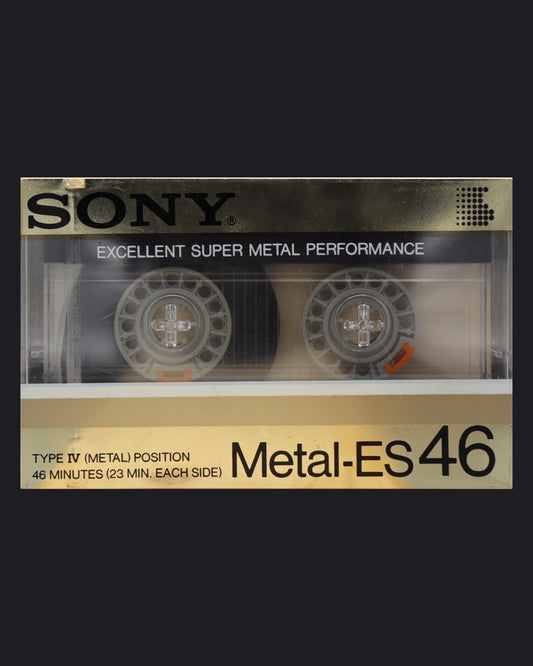
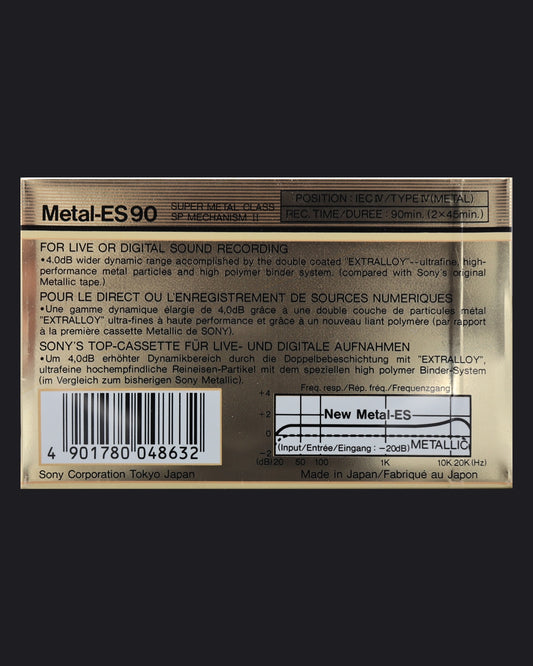
Sony Metal-ES Type IV - 1996 JP
Regular price From $25.79 USDRegular price -
Sony Metal Master Type IV - 1988-1989 JP
Regular price From $83.99 USDRegular price -
TDK MA-XG Type IV - 1985-1989 JP
Regular price From $66.24 USDRegular price -
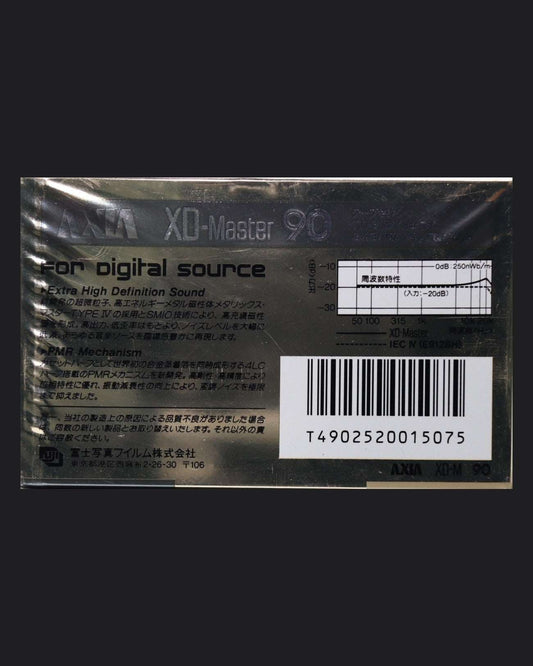
Axia XD-Master Type IV - 1985-1986 JP
Regular price From $49.79 USDRegular price$105.96 USDSale price From $49.79 USD -
Sony Metal-ES Type IV - 1985-1987 EU-JP
Regular price From $46.79 USDRegular price -
Sony Metal-ES Type IV - 1986 EU
Regular price From $102.82 USDRegular price -
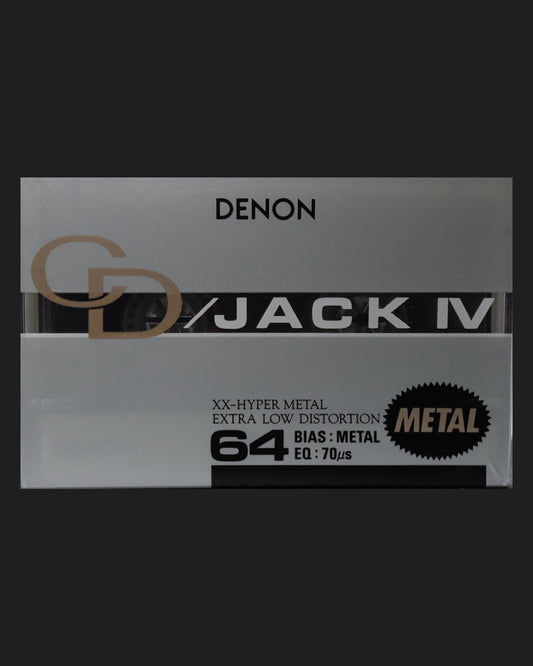
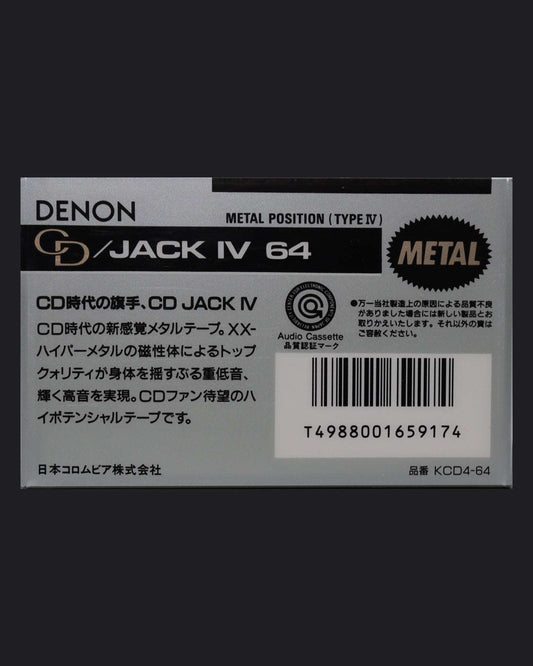
Denon CD/Jack IV Type IV - 1989 JP
Regular price From $28.19 USDRegular price -
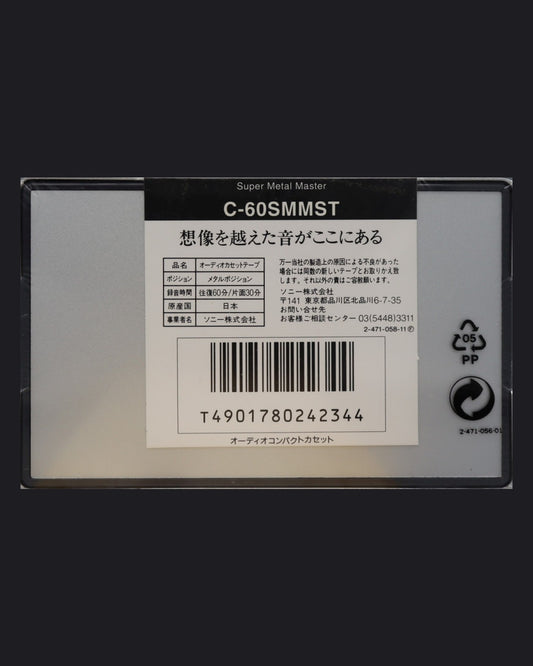
Sony Super Metal Master Type IV - 1996 JP-EU
Regular price From $454.63 USDRegular price -
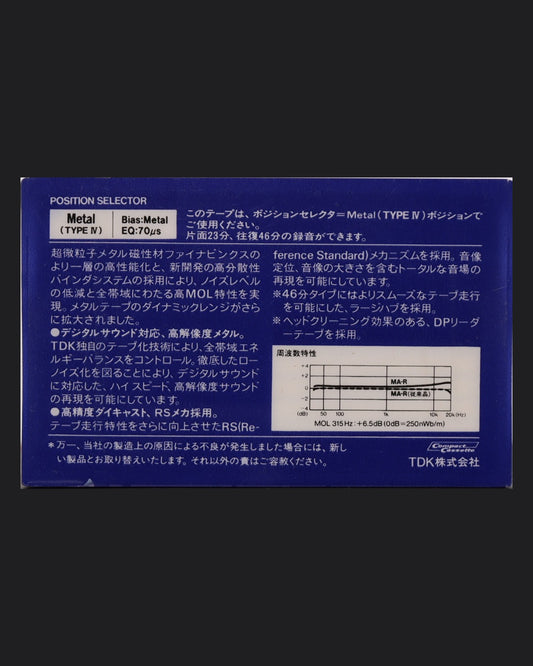
TDK MA-R Type IV - 1984 JP
Regular price From $82.79 USDRegular price -

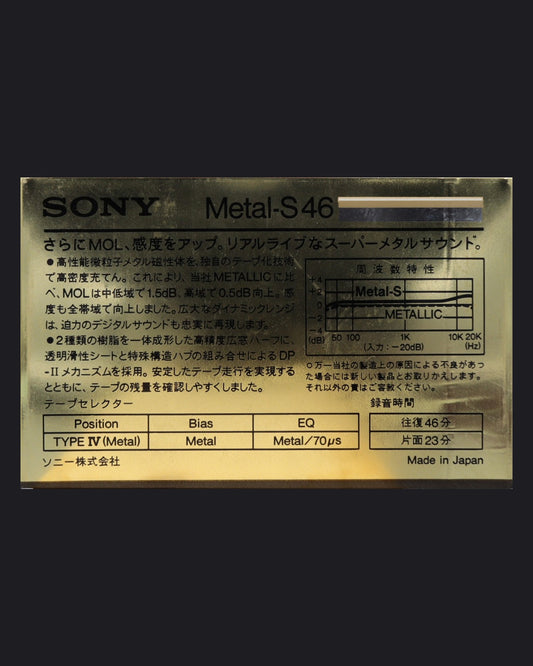 Sold out
Sony Metal-S Type IV - 1986-1987 JP
Regular price From $26.39 USDRegular price$59.96 USDSale price From $26.39 USDSold out -
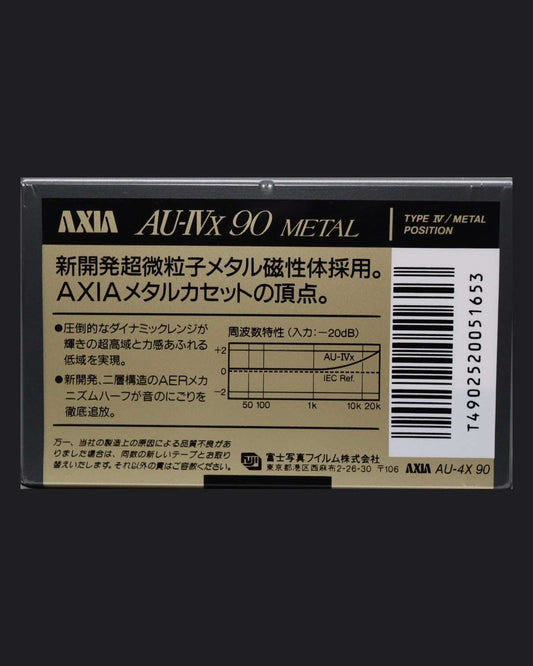
AXIA AU-IVX Type IV - 1991 JP
Regular price From $46.66 USDRegular price -
TDK MA-R Type IV - 1982-1984 JP
Regular price From $83.16 USDRegular price -
TDK MA-R Type IV - 1979-1981 JP
Regular price From $85.79 USDRegular price -
Maxell Metal Vertex Type IV - 1992-1993 JP
Regular price From $192.59 USDRegular price -
Sony ES IV Type IV - 1991 JP
Regular price From $50.50 USDRegular price -
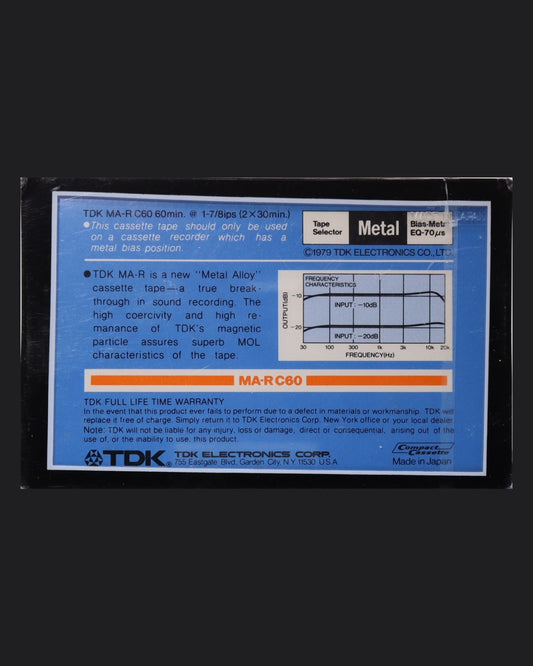
TDK MA-R Type IV - 1979-1981 US
Regular price From $145.60 USDRegular price

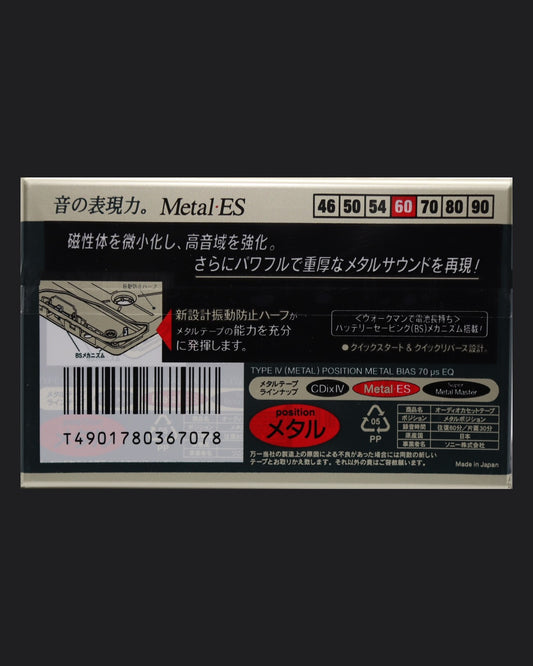

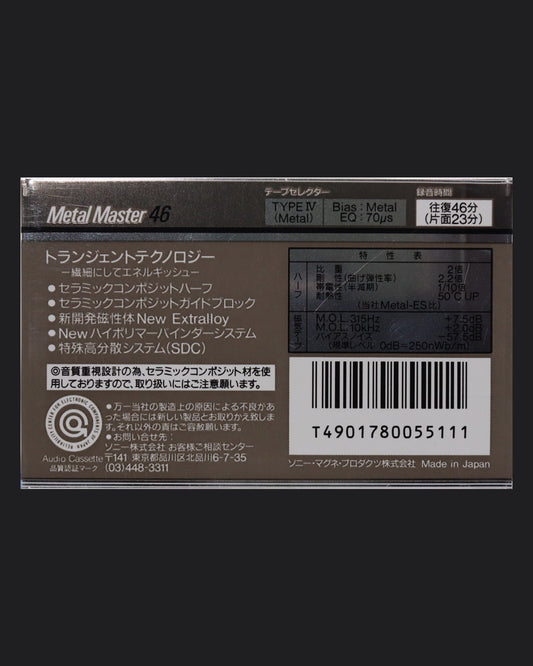

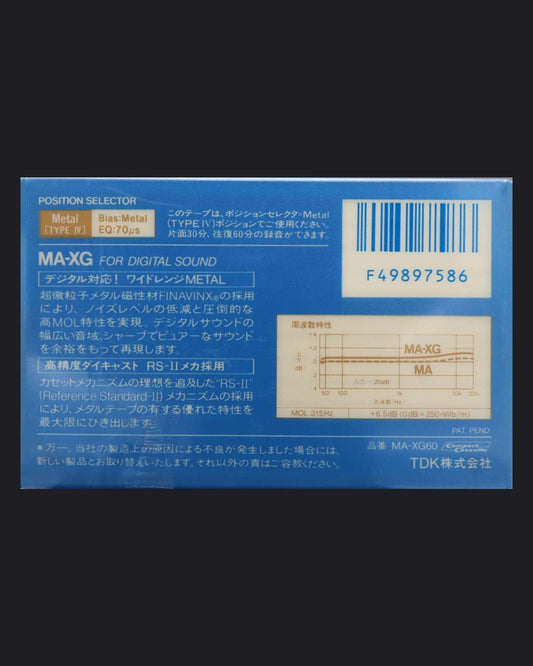








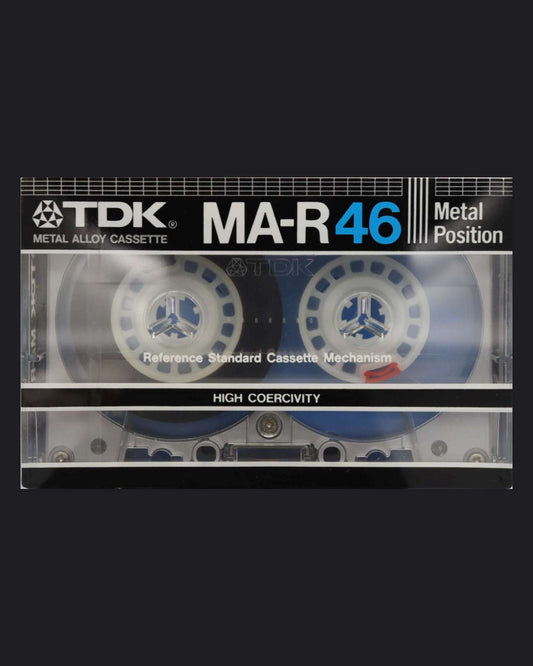

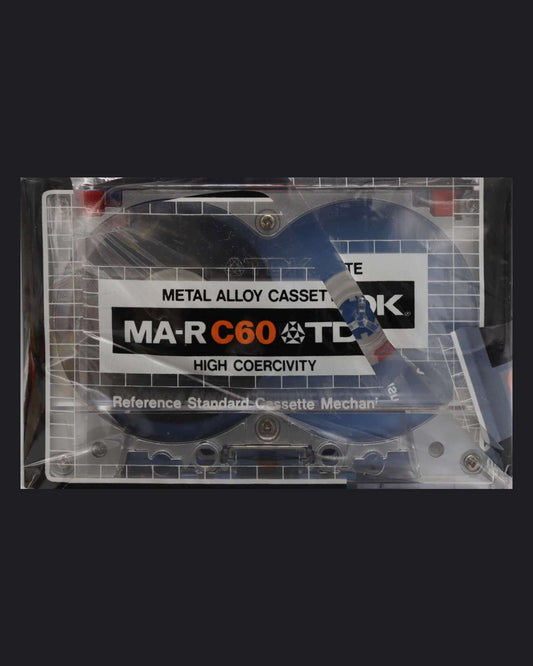

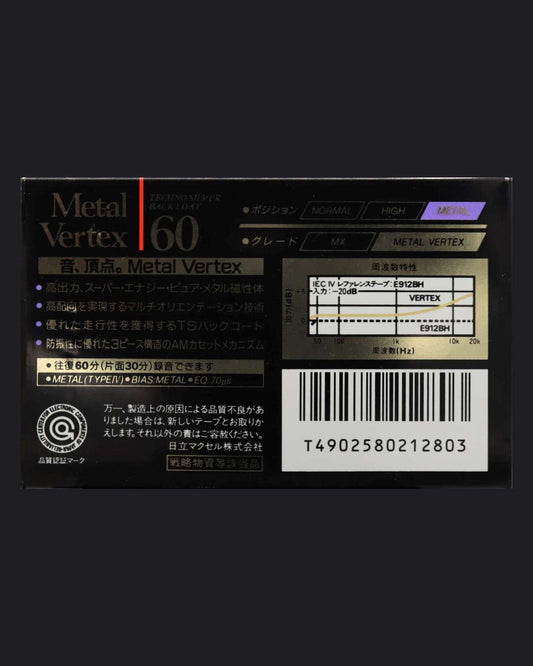

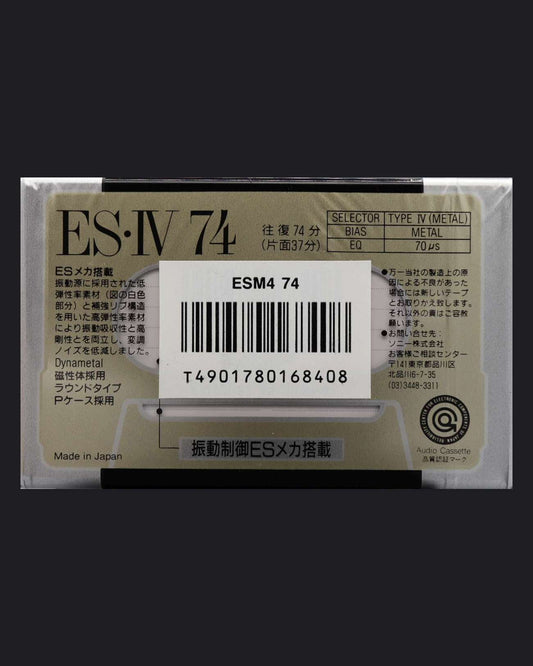

Super Metal Cassette Tapes
Super metal tapes occupy the very top of the Type IV hierarchy — formulations where manufacturers invested in ultra-fine metal particles, dual-layer magnetic coatings, exotic particle compositions including cobalt-alloyed iron, and precision shell engineering to push cassette audio performance to its absolute limit. These tapes require a deck with a Type IV (metal) position and reward the finest playback hardware.
The defining technology was the move to double-coated magnetic layers. Sony Metal ES (1987) was widely regarded as the first commercially available dual-layer metal cassette. Its magnetic layer combined a base coating and an ultra-fine upper coating, each engineered for different frequency ranges — the result was the highest MOL and lowest noise of any commercially tested cassette at the time of its launch. In Howard Roberson's landmark 1987 Audio Magazine test, Metal ES scored 88% — the highest of any type ever tested to that date.
Super metal models in our collection span Sony Metal ES and Metal Master (loaded with Metal ES tape in a ceramic-shell housing), TDK MA-XG, Maxell Metal Capsule and Metal XS, and related ultra-performance Japanese-market metal tapes from the late 1980s and 1990s.
Collector note: Super metal tapes are NOS rarities. Many were manufactured in small quantities for Japan's domestic audiophile market and never widely exported. They are increasingly sought-after by cassette deck enthusiasts worldwide as reference media for deck calibration and high-fidelity recording.
All tapes are NOS sealed. Free US shipping on orders over $75.
Frequently Asked Questions
What is a super metal cassette tape?
Super metal describes the premium tier of Type IV, where manufacturers used ultra-fine particles, dual-layer magnetic coatings, cobalt-alloyed metal compositions, or metal-evaporated technology to push cassette performance to its absolute limit. These tapes require a metal deck position and reward the finest playback hardware.
What was special about the Sony Metal ES cassette?
Sony Metal ES (1987) was among the first commercially available dual-layer metal cassettes. Its double magnetic coating — a base layer and an ultra-fine upper layer — achieved the highest 400 Hz MOL and signal-to-noise ratio of any cassette type tested to that date, according to Howard Roberson's Audio Magazine 1987 evaluation.
What is the Maxell Metal Capsule cassette?
The Maxell Metal Capsule (1990–1991 JP) is a Japan-domestic flagship Type IV with ultra-fine metal particles offering improved dynamic range and noise performance over the standard MX-S line. It is rated by collectors alongside the MX-S and Metal XS as among the finest metal tapes Maxell ever produced.
Are super metal tapes suitable for regular use or just collecting?
Both. On a well-calibrated reference deck with a good metal head, super metal tapes deliver extraordinary recording performance — the closest a cassette can come to open-reel quality. They are also genuine collector rarities, particularly Japan-market examples produced in limited quantities through the early 1990s.
How do I know if my deck can handle super metal tape?
Any deck with a Type IV (metal) position can record on super metal tape. For best results, a deck with manual bias and level adjustment will fully exploit the tape's capabilities. The tape's high output means some older decks may reach their electronic limits before the tape's own saturation point.