
-
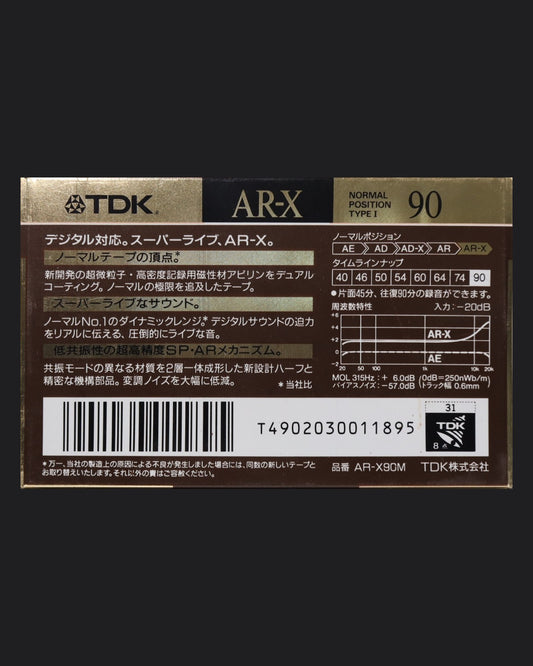
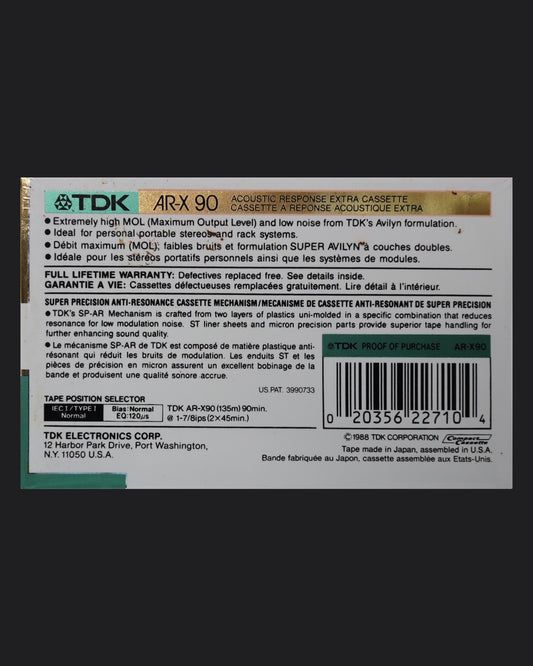
TDK AR-X Type I - 1990-1995 JP
Regular price From $17.39 USDRegular price$40.20 USDSale price From $17.39 USD -
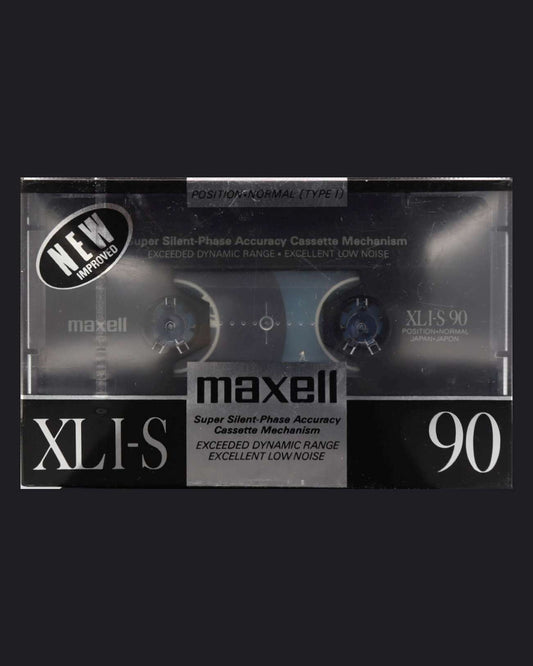
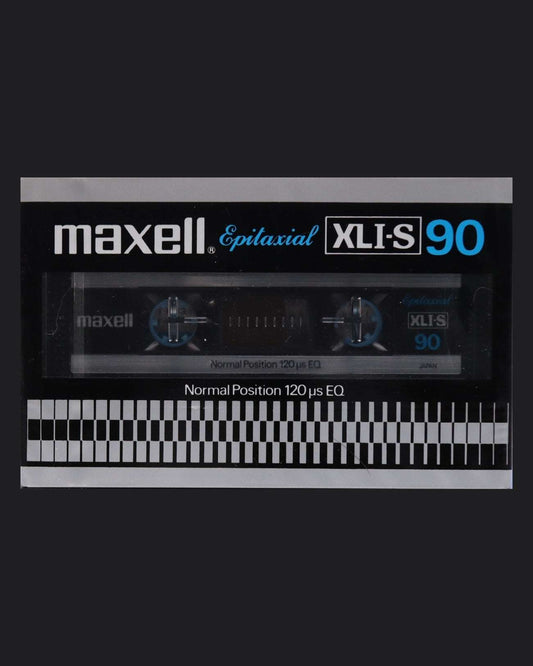
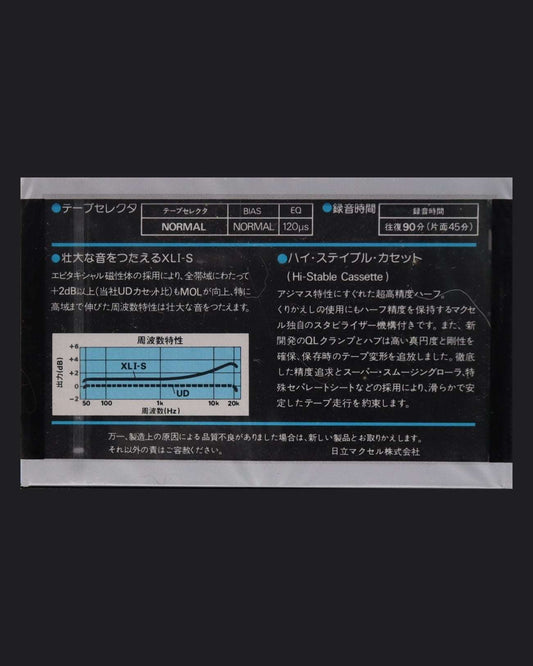
Maxell XLI-S Type I - 1990-1991 JP
Regular price From $20.39 USDRegular price -
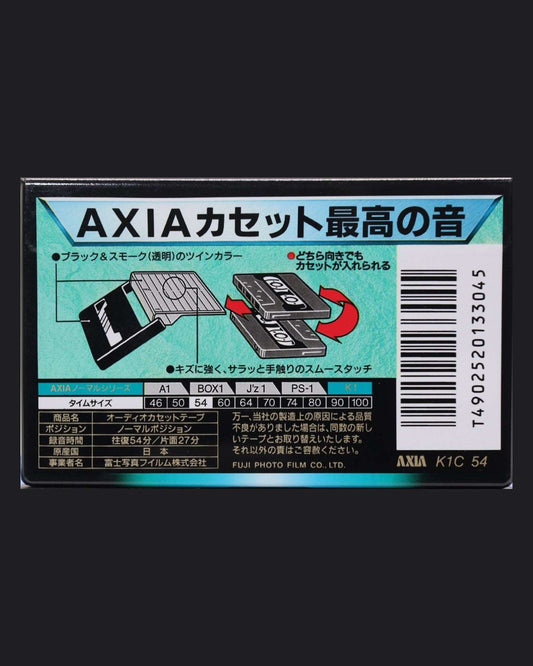
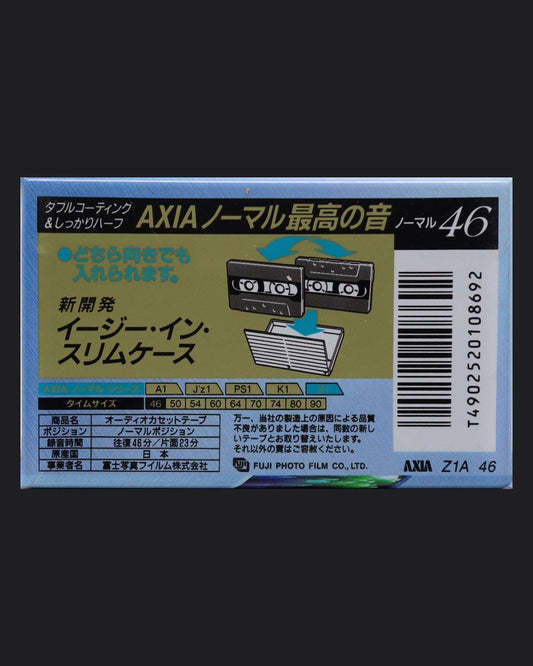
AXIA K1 Type I - 1996 JP
Regular price From $17.11 USDRegular price$18.89 USDSale price From $17.11 USD -
TDK AR-X Type I - 1987-1989 JP
Regular price From $20.99 USDRegular price$22.88 USDSale price From $20.99 USD -
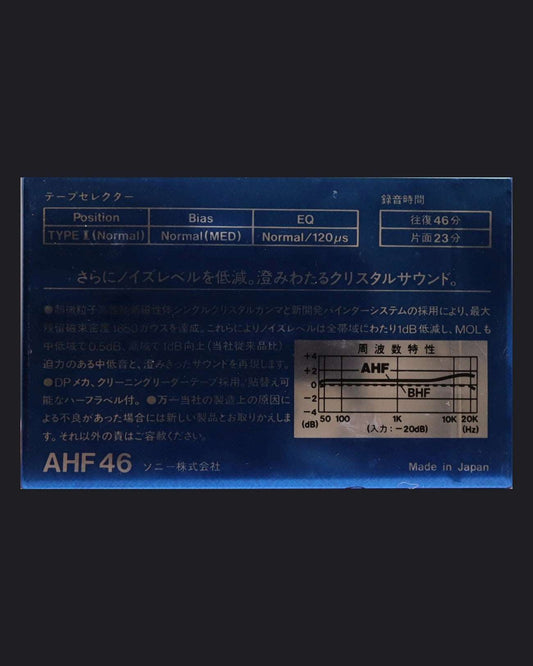
Sony AHF Type I - 1982-1984 JP
Regular price From $27.59 USDRegular price -
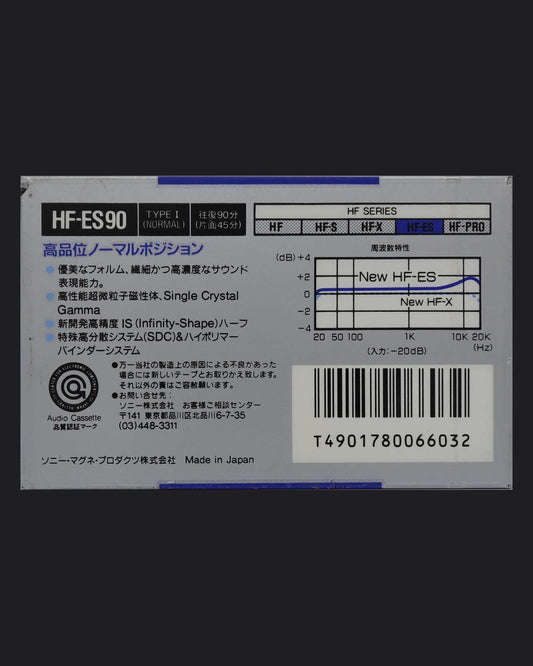
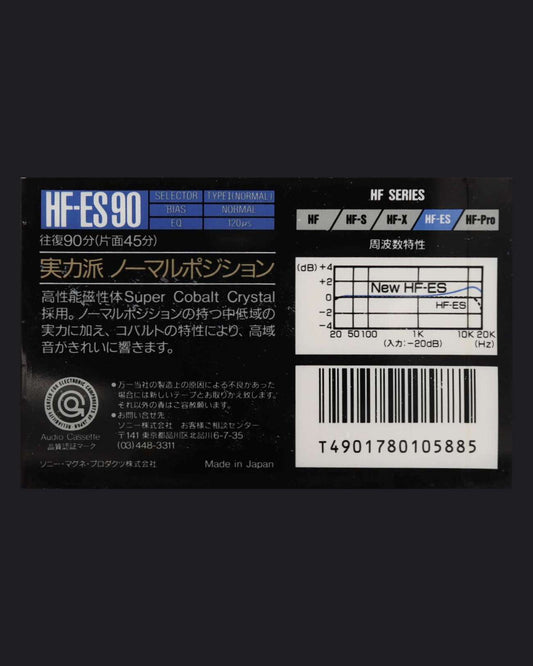
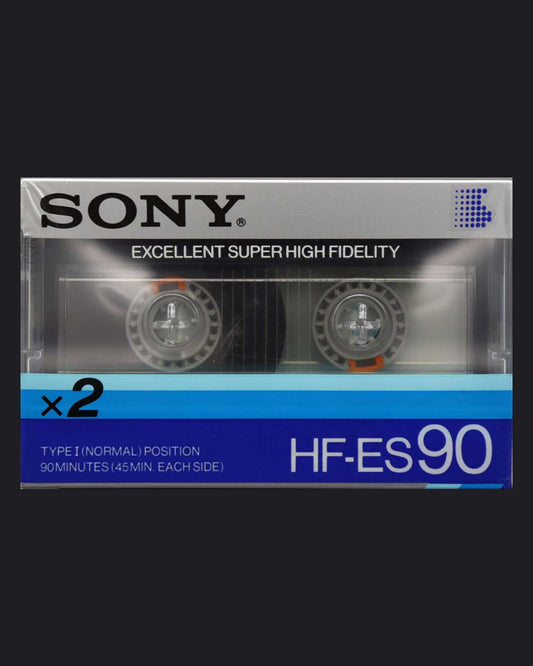
Sony HF-ES Type I - 1988 JP
Regular price From $19.19 USDRegular price -
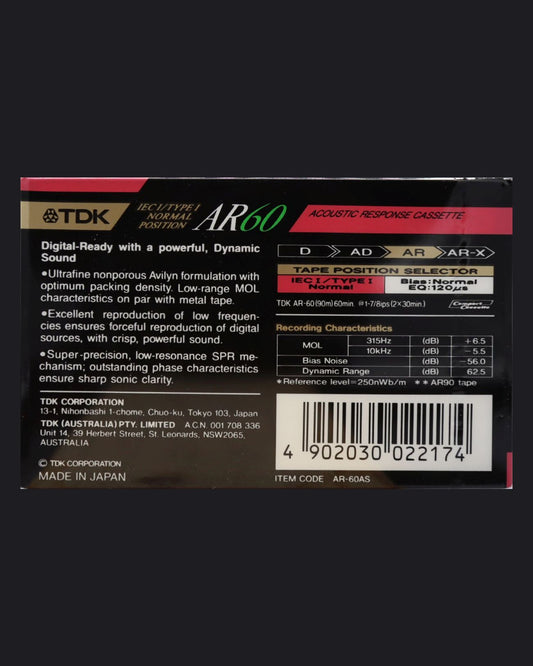
TDK AR Type I - 1991-1992 EU
Regular price From $22.18 USDRegular price$31.94 USDSale price From $22.18 USD -
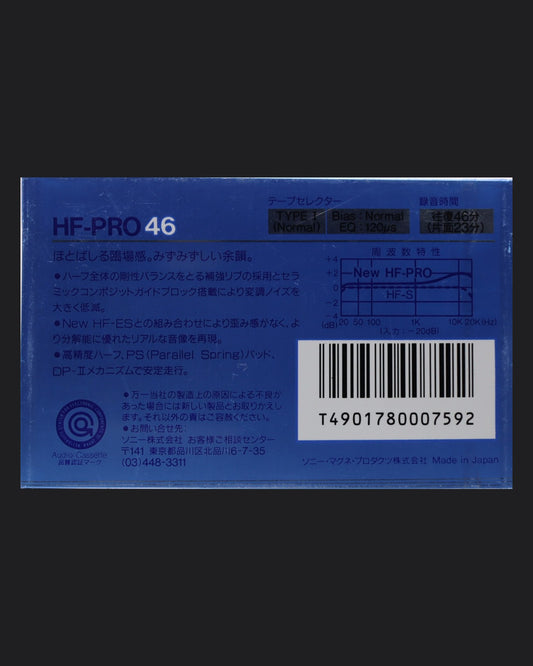
Sony HF-Pro Type I - 1986-1987 JP
Regular price From $37.79 USDRegular price -
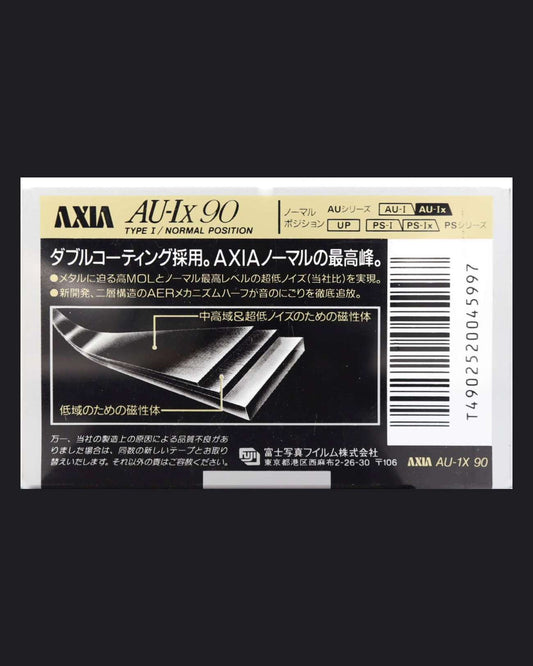
AXIA AU-Ix Type I - 1991 JP
Regular price From $28.86 USDRegular price -
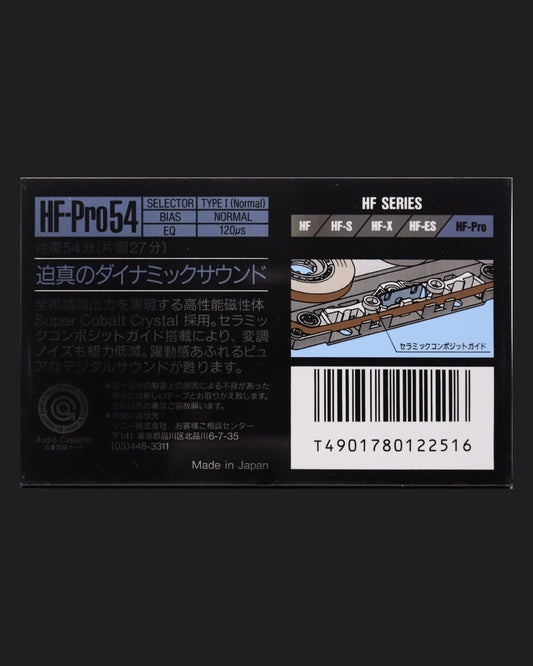
Sony HF-Pro Type I - 1989 JP
Regular price From $29.99 USDRegular price -
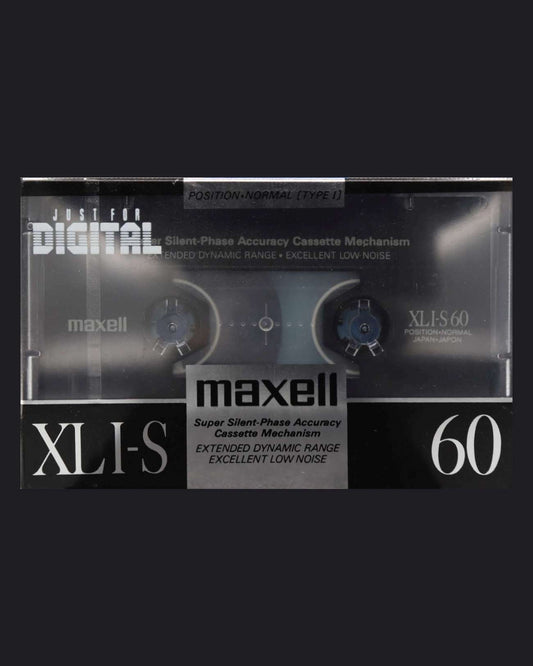
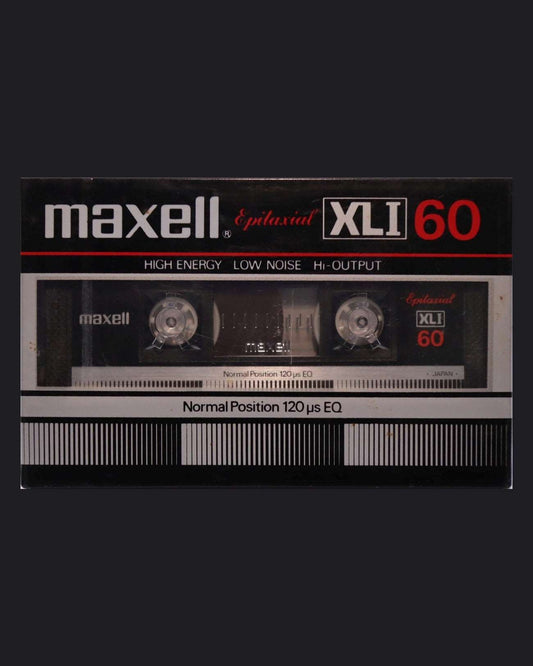
Maxell XLI-S Type I - 1980-1982 JP
Regular price From $28.19 USDRegular price -
Sony HF-ES Type I - 1989 JP
Regular price From $16.79 USDRegular price -
Sony HF-ES Type I - 1985 JP
Regular price From $21.71 USDRegular price -
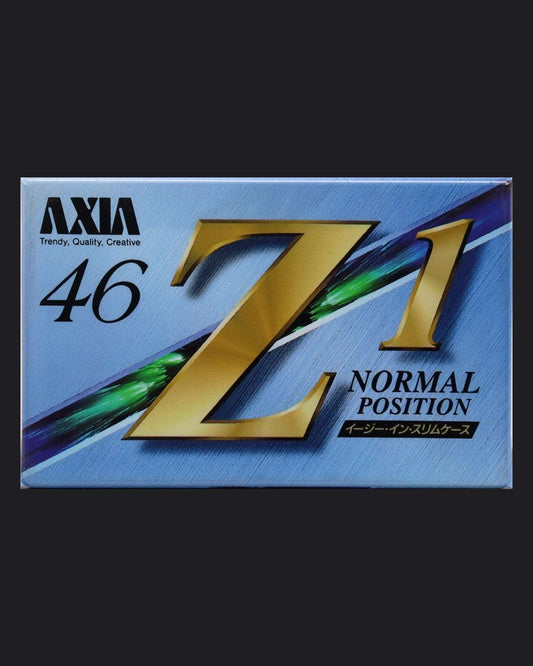
AXIA Z1 Type I - 1995 JP
Regular price From $17.52 USDRegular price -
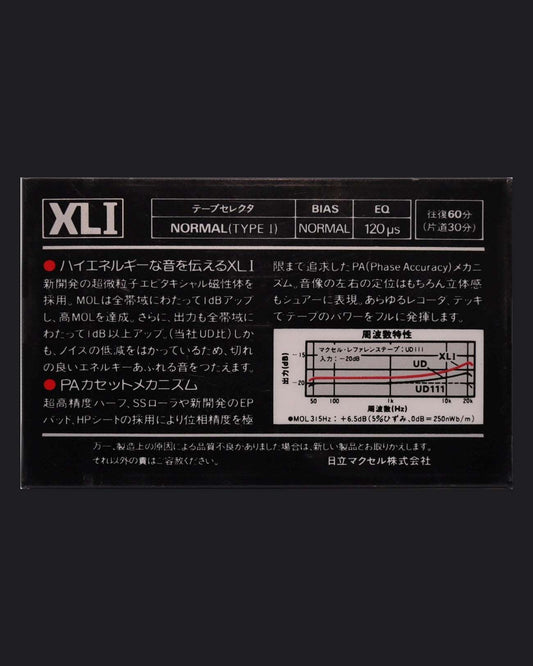
Maxell XLI Type I - 1982-1984 JP
Regular price From $16.79 USDRegular price -
Sony HF-ES Type I - 1986-1987 JP
Regular price From $22.19 USDRegular price













Super Ferric Cassette Tapes
The term "super ferric" describes the elite tier of Type I cassette tape — formulations using cobalt-doped or cobalt-adsorbed ferric oxide particles (ferricobalt) refined to such a degree that their measured performance approaches or equals entry-level Type IV metal tapes. By the early 1990s, leading super ferric tapes were priced at parity with budget metal tapes and measured within a few decibels of them on dynamic range and noise floor.
What makes a super ferric different from a standard ferric is the cobalt modification of the oxide particles. A change in cobalt content from 0% to 30% gradually raises coercivity from around 400 Oe (Type I level) to 1,300 Oe (Type IV level). Super ferrics sit in the upper range of this spectrum — coercivity well above standard Type I, achieving significantly higher output levels and lower noise while retaining full Type I (120 μs, normal bias) compatibility.
The classics: Maxell XLI-S is regarded by many enthusiasts as the finest Type I tape ever produced — the standard against which all others are measured. TDK AR and AR-X dominated the Japanese market across the 1980s and early 1990s. BASF Ferro Maxima I and Ferro Super I represent German precision tape engineering. Sony AHF and ES-I, and That's FX and TX complete the picture.
Super ferrics are particularly valued by collectors and engineers who prefer the warmer, more natural tonal character of ferric formulations — without sacrificing the dynamic range needed for demanding musical material.
All tapes are NOS sealed. Free US shipping on orders over $75.
Frequently Asked Questions
What exactly is a super ferric cassette tape?
Super ferric describes the elite tier of Type I tape, using cobalt-doped ferricobalt particles refined to coercivity well above standard ferric. These tapes achieve significantly higher output levels, lower noise floors, and extended frequency response while retaining full normal-bias Type I compatibility with every cassette deck.
What is the best super ferric cassette tape ever made?
Maxell XLI-S (particularly the 1988 Japan C-90) is regarded by the collector community as the finest super ferric tape ever produced — the standard against which all others are measured. TDK AR-X, BASF Ferro Maxima I, and Sony AHF are close rivals.
Why choose super ferric over Type II chrome tape?
Super ferric tapes work on any deck without a chrome setting, offer the warmer midrange character of ferric oxide, and on a calibrated deck deliver dynamic range approaching Type II. For those whose decks lack a high-bias position, super ferric is the best possible recording medium available.
How close is super ferric tape to Type IV metal performance?
The best super ferrics achieve coercivity in the range of 600–800 Oe — significantly above standard Type I but below Type IV's 1,000+ Oe. In practice, they measure within 3–5 dB of entry-level metal tapes in dynamic range. Contemporary reviews in the early 1990s regularly placed super ferrics at parity with budget metal tapes in price and nearly in performance.
Are super ferric tapes compatible with all cassette decks?
Yes. Super ferric tapes use the standard normal bias Type I setting. Every cassette deck ever made — from cheap portables to reference three-head studio machines — supports them with no adjustment needed.