
-
Panasonic PX Type I - 1994 JP
Regular price From $10.14 USDRegular price -
Panasonic RT-KX Box Type I - 1989 JP
Regular price From $10.42 USDRegular price -
Panasonic PX I Type I - 1994 JP
Regular price From $13.50 USDRegular price -
Panasonic PX II Type II - 1994 JP
Regular price From $20.16 USDRegular price -
Panasonic HX Type II - 1989 JP
Regular price From $18.83 USDRegular price -
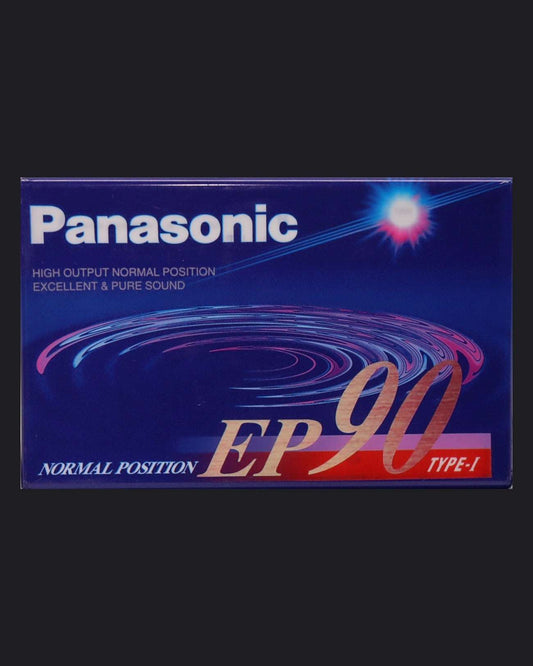
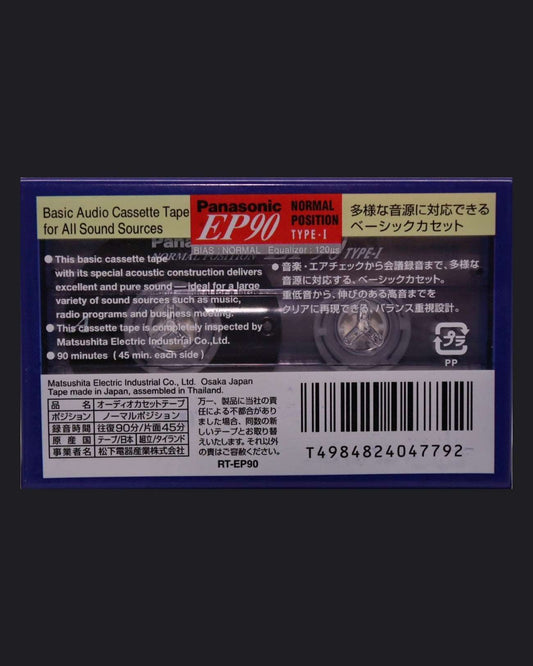
Panasonic EP Type I - 1994 JP
Regular price From $14.16 USDRegular price -
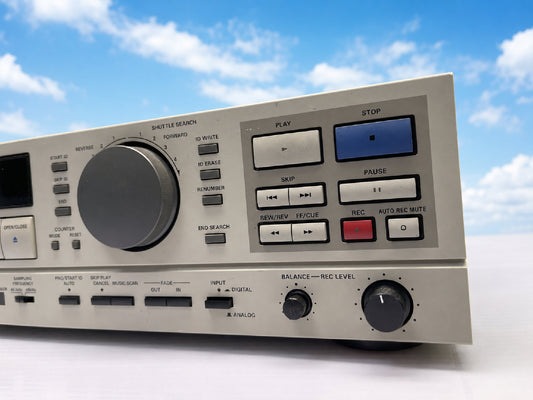
Panasonic SV-3700 Professional DAT Recorder S/N AA5FH01344 - Low Hours and Just Serviced!
Regular price $550.00 USDRegular price$632.00 USDSale price $550.00 USDSold out -
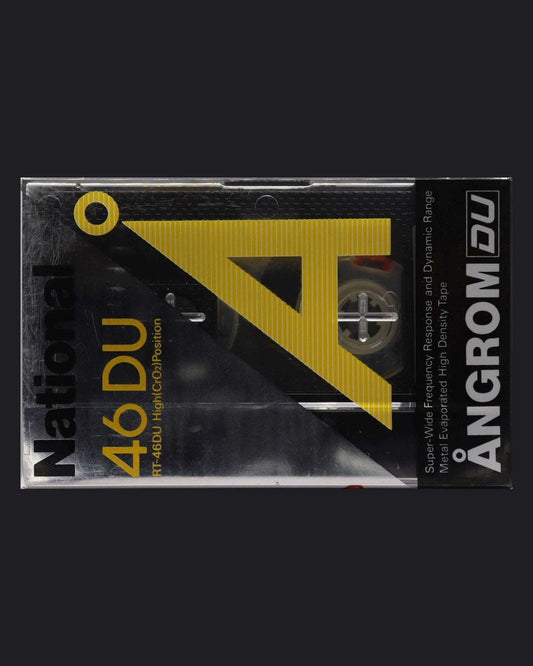
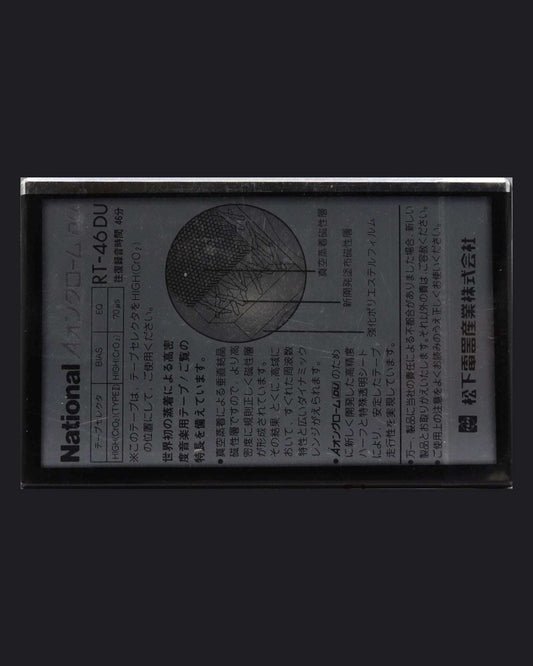
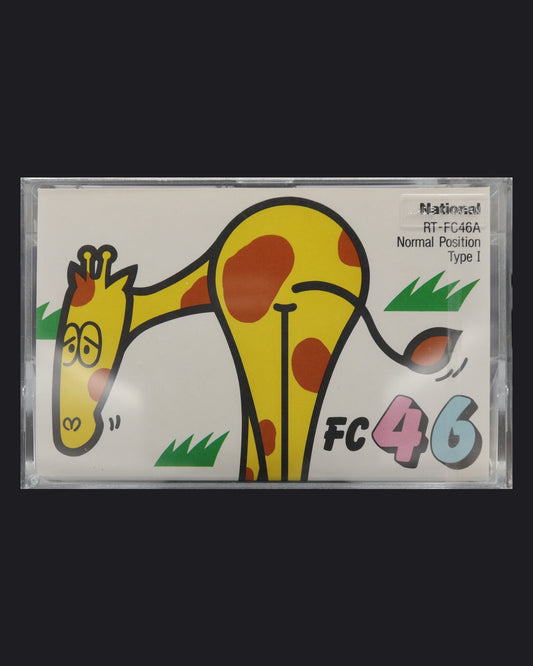
National RT-FC Type I - 1982 JP
Regular price $44.16 USDRegular price -
 Sold out
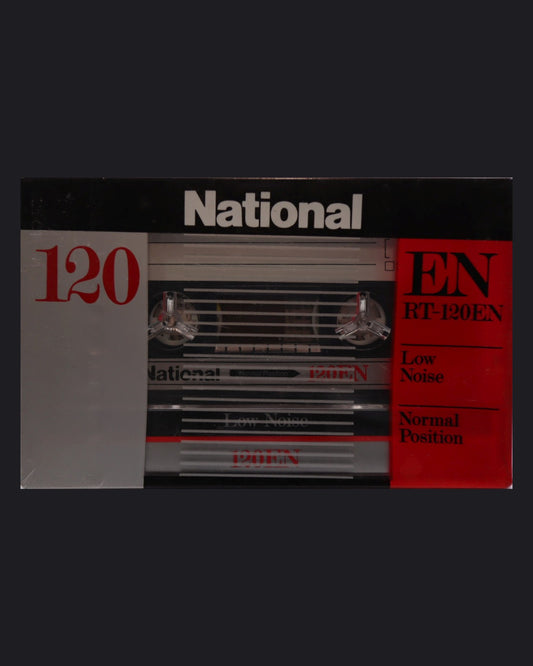
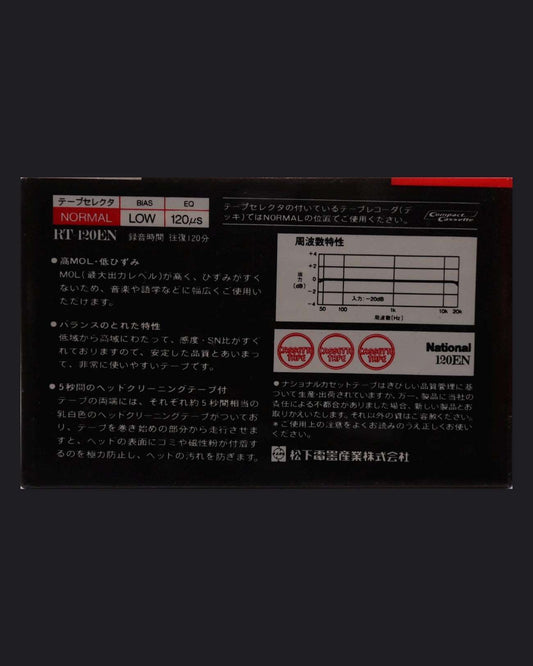
National Ångrom DU Type II - 1982 JP
Regular price $74.59 USDRegular price -
 Sold out
National EN Type I - 1982 JP
Regular price From $15.30 USDRegular price -
Technics MX Type IV - 1979-1981 EU
Regular price From $84.48 USDRegular price -
Panasonic KX Type I - 1994 JP
Regular price From $6.89 USDRegular price

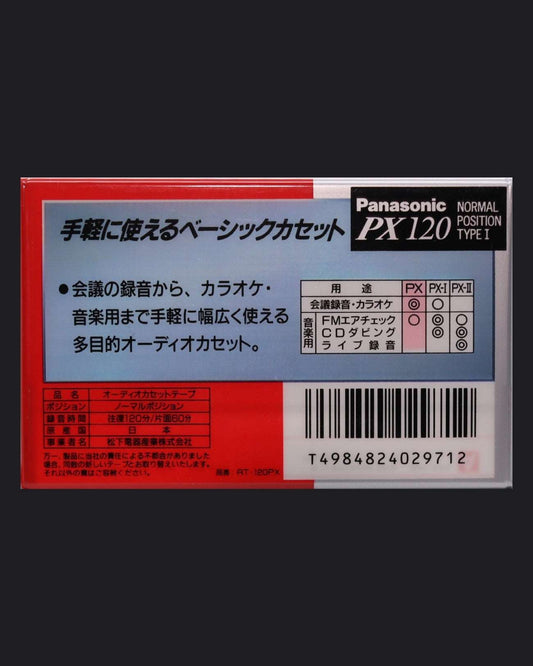

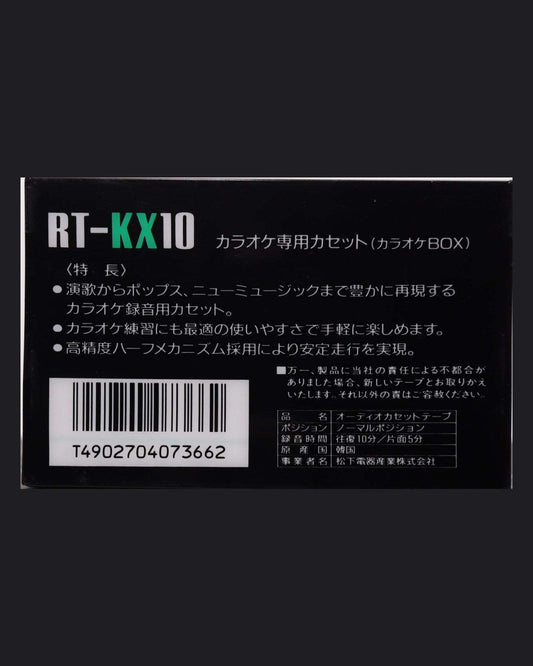

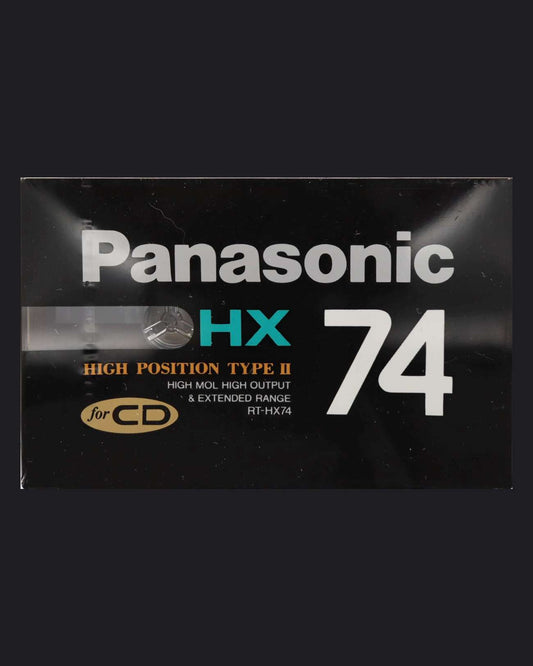
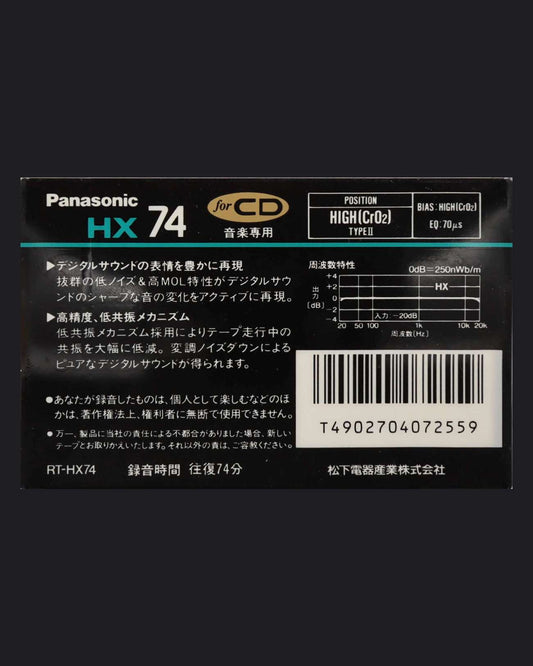

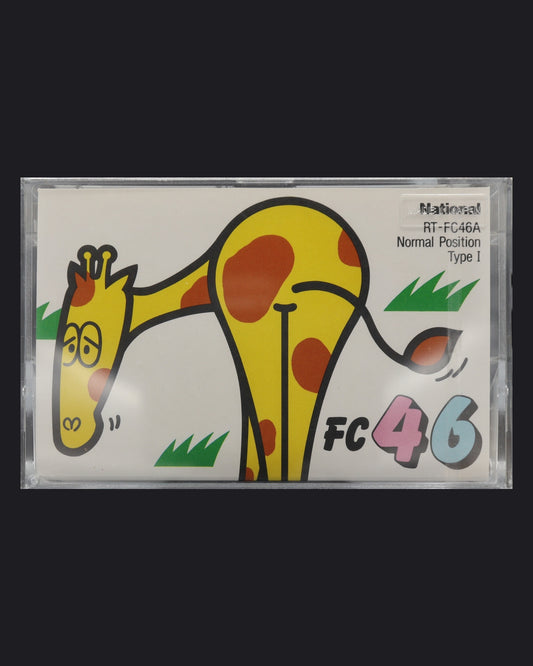

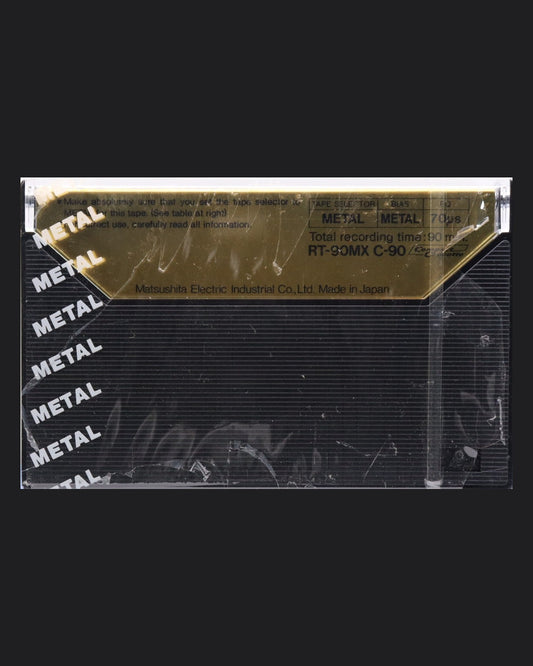

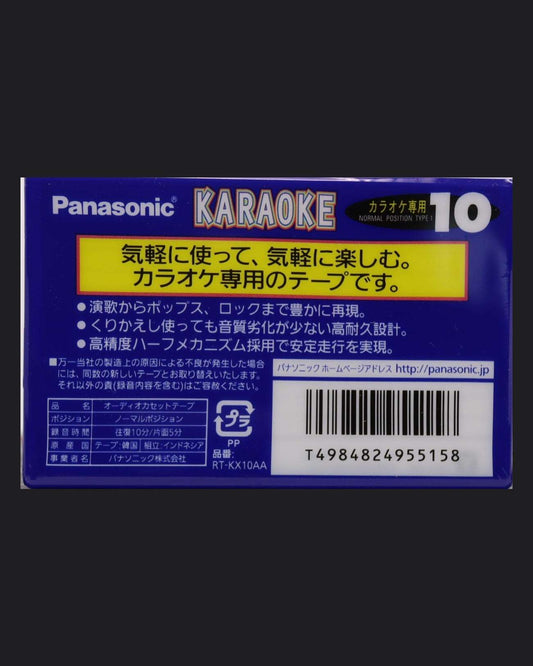
Panasonic / National / Technics Blank Cassette Tapes
Matsushita Electric Industrial Co., Ltd. — operating consumer brands as Panasonic, National, and Technics depending on market and product category — was one of Japan's largest consumer electronics companies and a significant contributor to cassette tape technology. Matsushita's unique contribution to tape formulation was the development of metal evaporated (ME) tape, a process in which metal is evaporated in a vacuum and deposited directly onto the plastic film backing — eliminating the binder layer required by conventional metal particle (MP) tapes. ME tapes produced exceptional magnetic density and theoretical performance advantages, though the technology proved expensive and difficult to mass-produce for audio. Matsushita found ME tape's ideal application in video recording, where it became the basis for broadcast-quality video formats.
For audio cassettes, Matsushita produced tapes under three brands. The National brand served the Japanese domestic market, with lines like the RT-X DU and RT-DU high-bias tapes. The Technics brand (introduced 1965 for premium audio products) was used in export markets, with the Angrom series — RT-NX (normal bias), RT-HG (high-bias), and RT-ME (metal evaporated) — representing Matsushita's own-formulation audio tape at its most technically ambitious. The Angrom tapes were described by enthusiasts as exceeding the best metal particle tape of the era, though priced at a premium that limited mainstream adoption. Later, the Panasonic brand replaced both for most markets, with tape production largely transitioning to TDK-sourced stock.
Models in our collection: RE-P and EN series (Panasonic/National standard ferric); Technics Angrom RT-NX, RT-HG, RT-ME (Matsushita's premium own-formulation tapes); and related National/Panasonic consumer lines from the late 1970s and 1980s.
All tapes are new sealed NOS. Free US shipping on orders over $75.
Frequently Asked Questions
What cassette tape technology did Matsushita/Panasonic develop?
Matsushita developed metal evaporated (ME) tape technology — a process that vacuum-deposits metal directly onto the film backing, eliminating the binder layer used by conventional metal particle tapes. ME tape achieved exceptional magnetic density and became the basis for high-performance video tape formats, though it proved too expensive for mass-market audio cassettes.
What is the Technics Angrom cassette tape?
Angrom was Matsushita's own-formulation premium cassette tape sold under the Technics brand, covering normal bias (RT-NX), high-bias (RT-HG), and metal evaporated (RT-ME) versions. The Angrom tapes were described by enthusiasts as exceeding the best metal particle tape of the era, though their premium price limited adoption.
What is the difference between Panasonic, National, and Technics cassette tapes?
All three brands are Matsushita Electric products. National was the Japanese domestic brand; Technics was the premium international brand for high-end audio products; Panasonic was the mainstream international consumer brand. Their cassette tapes reflect this hierarchy — Technics Angrom being premium, later Panasonic lines being standard consumer products often sourced from TDK.
Did Panasonic source cassette tapes from TDK?
Yes. After Matsushita phased out their own Angrom tape formulation for cost reasons, the later Panasonic-branded cassette lines were sourced from TDK — effectively rebranded TDK D, AD, and SA tape in Panasonic packaging.
Are Panasonic and Technics cassette tapes rare?
Technics Angrom tapes are quite scarce — produced in limited quantities for the Japanese market and never widely exported. Standard Panasonic consumer cassettes are more common but still finite NOS items. The Angrom RT-ME (metal evaporated) is a particularly unusual collector piece.