
-
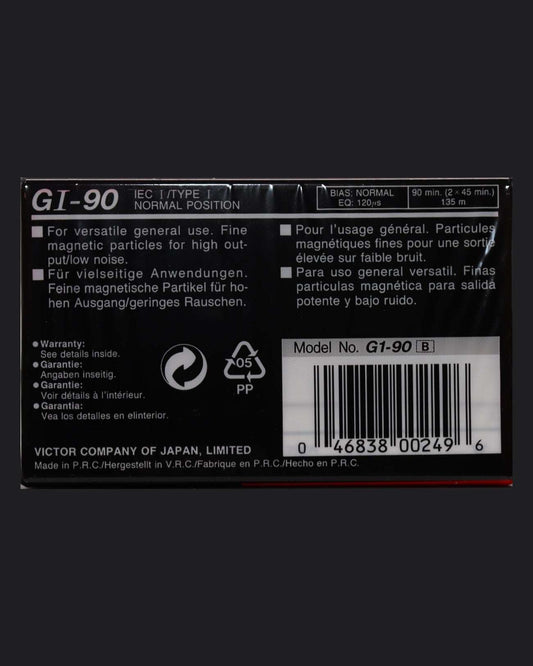
JVC GI Type I - 1988-1989 US
Regular price From $6.00 USDRegular price$10.37 USDSale price From $6.00 USD -
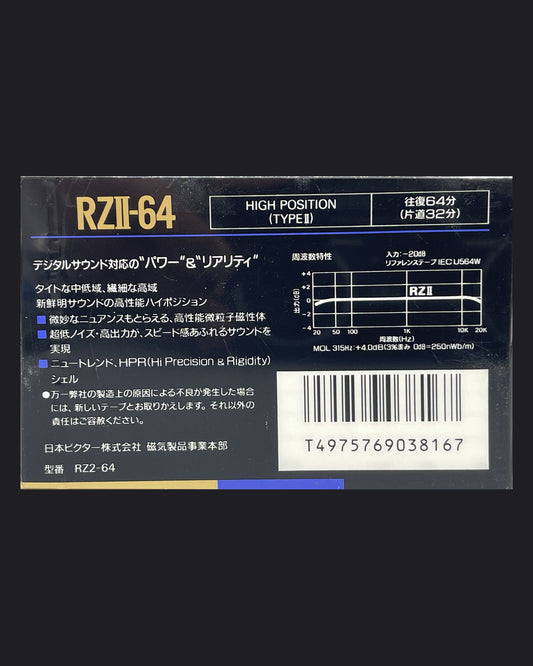
Victor RZII Type II - 1989 JP
Regular price From $25.81 USDRegular price -

 Sold out
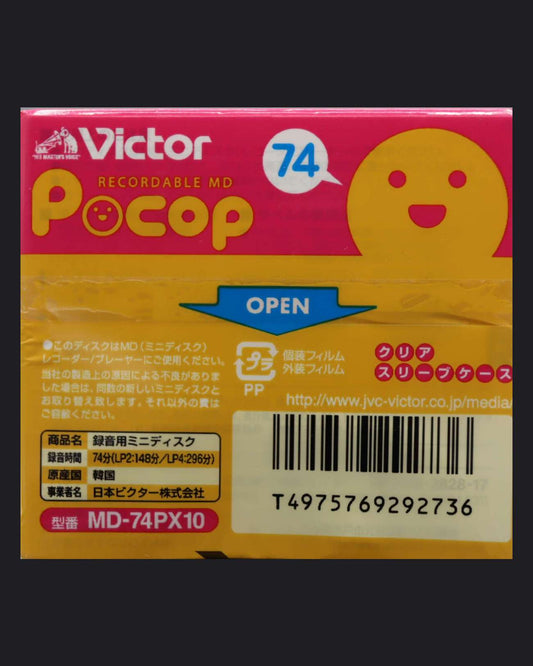
JVC/Victor Pocop MD-P
Regular price $101.02 USDRegular price$114.60 USDSale price $101.02 USDSold out -
 Sold out
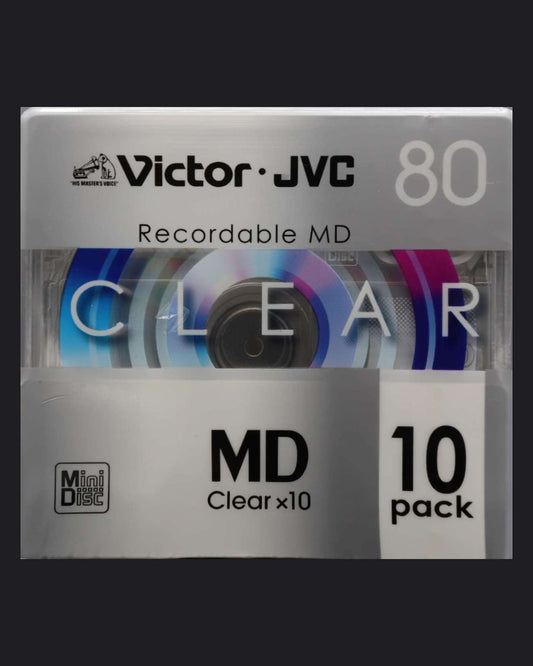
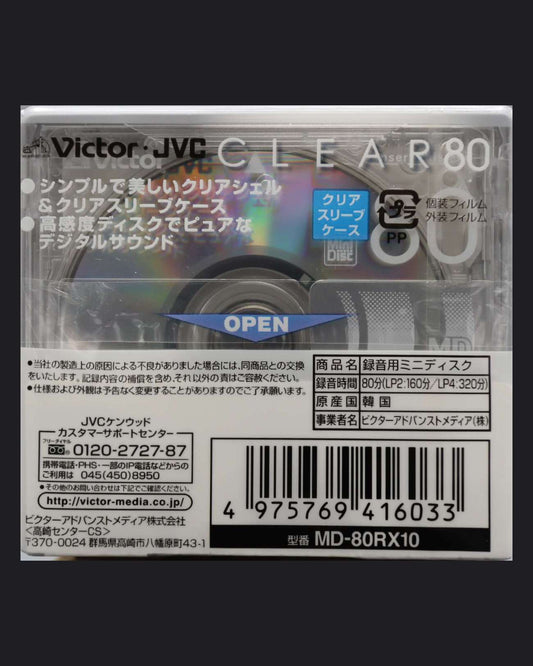
JVC/Victor CLEAR MD-R
Regular price $89.57 USDRegular price$103.00 USDSale price $89.57 USDSold out -
JVC/Victor Ar MD-LX
Regular price From $43.42 USDRegular price$57.48 USDSale price From $43.42 USD -
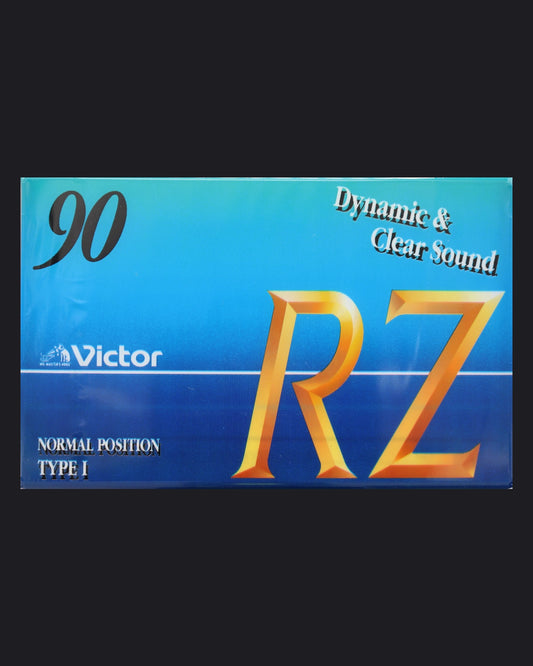
Victor RZ Type I - 1996 JP
Regular price From $8.78 USDRegular price -
Victor RZ Type I - 2000-2005 JP
Regular price From $8.02 USDRegular price -
 Sold out
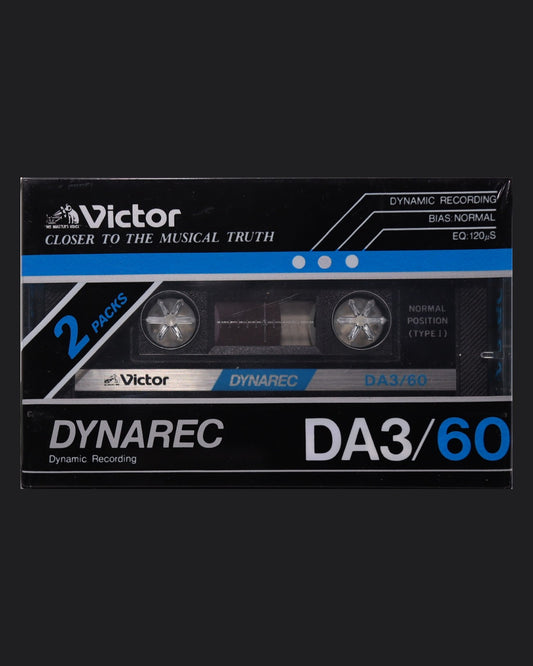
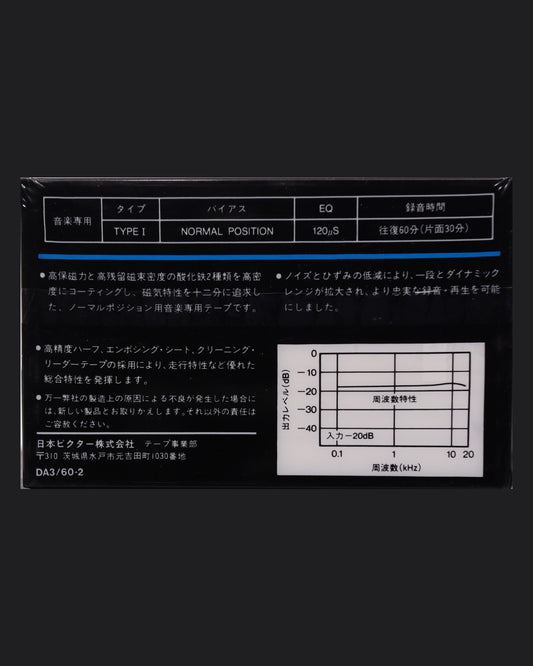
Victor DA3 Type I - 1983-1984 JP
Regular price From $25.79 USDRegular price -
Victor RZ Type I - 1991-1995 JP
Regular price $6.00 USDRegular price -
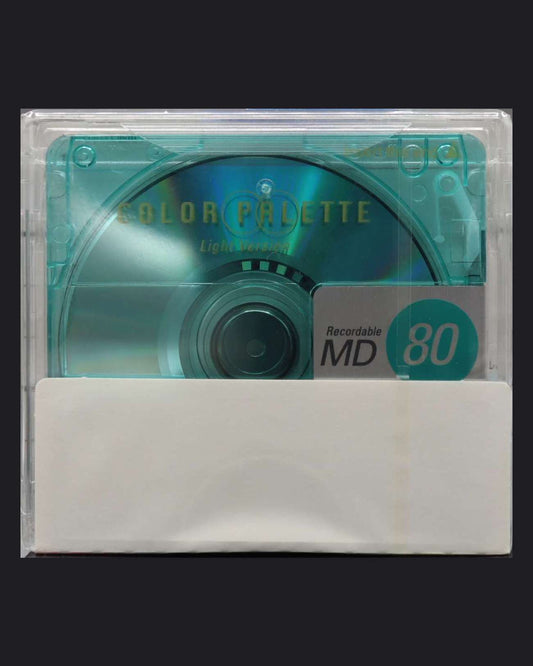
JVC/Victor Color Pallete Light Version
Regular price $84.44 USDRegular price$105.16 USDSale price $84.44 USD -
JVC/Victor CLEAR MD-Q
Regular price From $82.97 USDRegular price$102.46 USDSale price From $82.97 USD -
JVC/Victor Crystal MD-D
Regular price From $11.78 USDRegular price$14.96 USDSale price From $11.78 USD




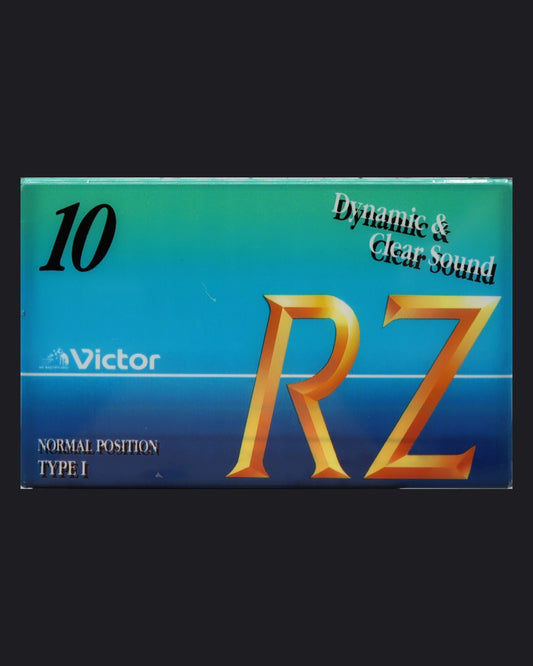
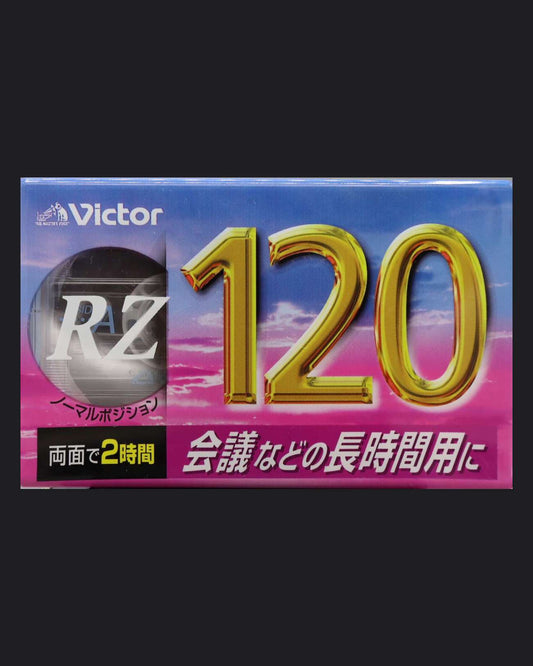
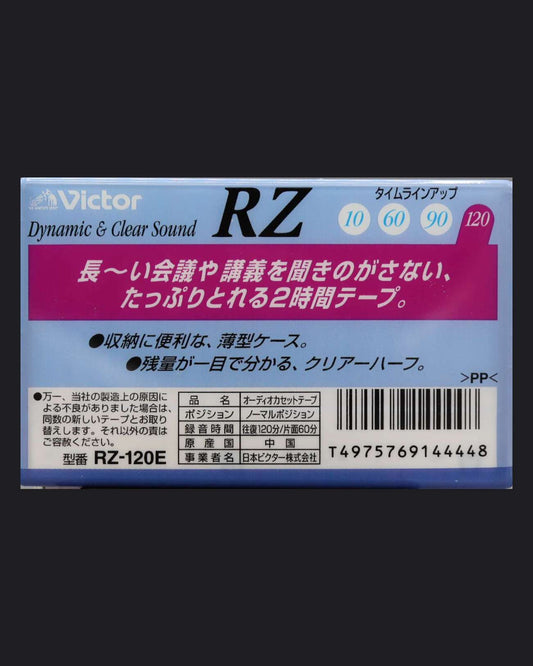



JVC / Victor Blank Cassette Tapes
The Victor Company of Japan, Limited — widely known as JVC — traces its origins to the Victor Talking Machine Company, an American corporation whose Japanese operations became an independent entity in 1927. JVC's most celebrated technological achievement is the invention of the VHS (Video Home System) format, announced on 9 September 1976, which went on to become the world standard for home video recording. The development was led by engineers Shizuo Takano and Yuma Shiraishi at JVC's Yokohama plant, who set out a twelve-goal requirement matrix focused on consumer affordability, ease of use, and compatibility — priorities that ultimately determined VHS's victory over Sony's Betamax format.
In audio cassettes, JVC produced its own branded blank tapes under the Victor and JVC names, marketed in Japan and internationally. The earlier Japan-made Dynarec DA series (notably the DA3 from the mid-1980s) is regarded by enthusiasts as a genuinely good enhanced Type I tape — well-made, with the hallmarks of Japanese domestic production quality. The AF-I and AF-II series represented JVC's standard ferric and high-bias lines respectively. Later generations of JVC cassettes shifted toward OEM production — the AF-II was manufactured in South Korea and praised by some enthusiasts as an underrated tape, with one Tapeheads member describing it as "low on bias noise yet fresh and vibrant sounding, rather like a Fuji ZII." Entry-level GI cassettes from the early 1990s were manufactured in China under Saehan guidance.
Key JVC/Victor models in our collection: Dynarec DA3 (Japan-made enhanced Type I, 1980s); AF-I (Type I, multiple vintage); AF-II (Type II high-bias, Korean manufacture); Dynarec UF and UF-II (Japan-market Type II); GI (entry-level Type I, China/Korea).
All tapes are new sealed NOS. Free US shipping on orders over $75.
Frequently Asked Questions
Did JVC invent VHS?
Yes. The VHS (Video Home System) format was developed at JVC's Yokohama plant by engineers Shizuo Takano and Yuma Shiraishi, announced on 9 September 1976. VHS went on to win the format war against Sony's Betamax and became the world standard for home video recording for over two decades.
What are the best JVC blank cassette tapes?
The Japan-made JVC Dynarec DA3 (mid-1980s) is regarded as a genuinely good enhanced Type I tape. The AF-II (made in South Korea) is praised as an underrated Type II — described by one enthusiast as 'low on bias noise yet fresh and vibrant sounding, rather like a Fuji ZII.' Early Victor-branded Japan-market tapes are the premium collectibles.
Who is JVC?
JVC (Victor Company of Japan, Limited) traces its origins to the Victor Talking Machine Company's Japanese operations, which became independent in 1927. Beyond audio tape, JVC is famous for inventing VHS video, the ANRS noise reduction system, and contributing significantly to audio engineering including the Shibata stylus.
Were JVC cassette tapes made in Japan?
Earlier JVC/Victor cassette tapes — particularly the Dynarec DA series from the mid-1980s — were made in Japan. Later generations shifted to South Korean manufacture (AF-II) and then to Chinese production (GI series), reflecting the broader industry trend toward lower-cost manufacturing.
Are JVC Victor cassette tapes collectible?
Early Japan-made Victor and JVC Dynarec tapes are collectible for their quality and provenance. The AF-II is sought by enthusiasts who appreciate underrated performers. All vintage JVC/Victor cassettes are NOS from original production runs.