
-
BASF Reference Master II Type II - 1995 DE
Regular price From $19.61 USDRegular price$10.42 USDSale price From $19.61 USD -
BASF Professional III (1976-1978 US) Cassette Tape
Regular price $32.08 USDRegular price -
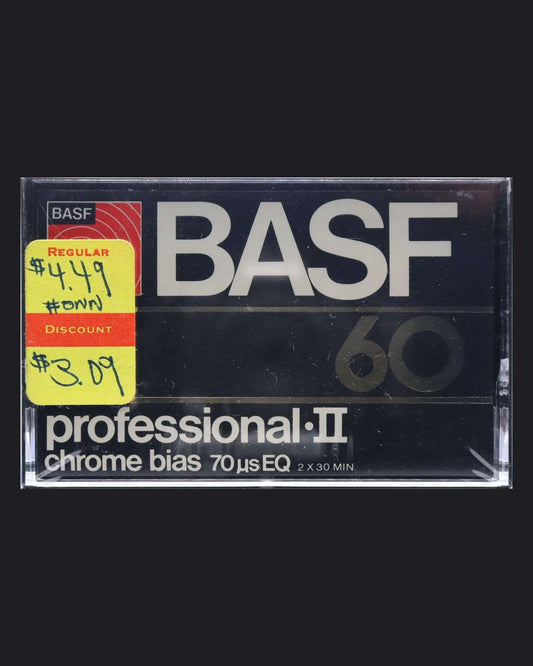
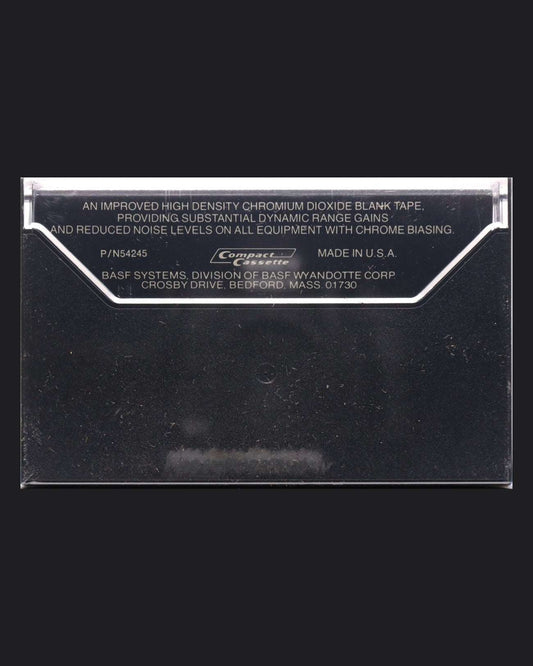
BASF Professional II Type II - 1976-1978 US
Regular price From $19.31 USDRegular price$23.36 USDSale price From $19.31 USD -
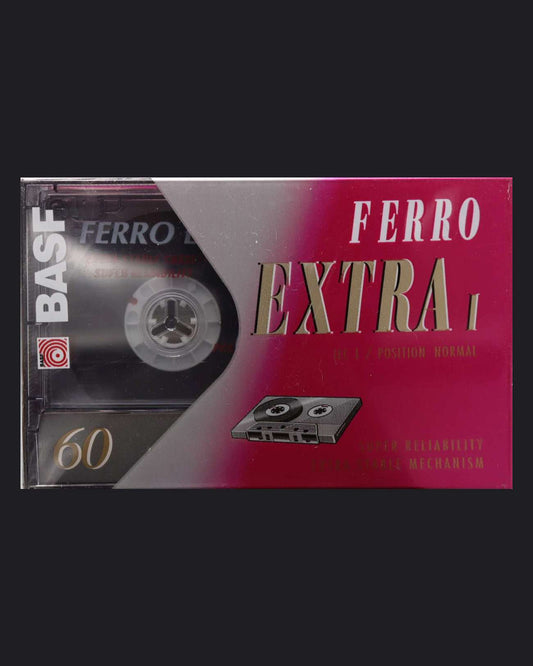
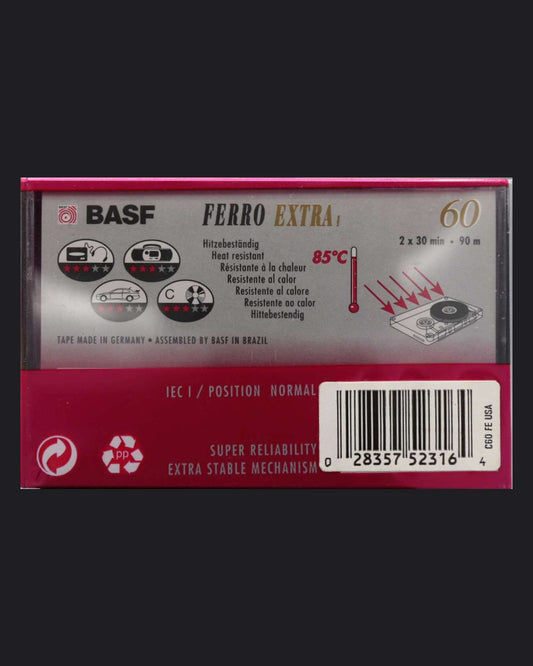
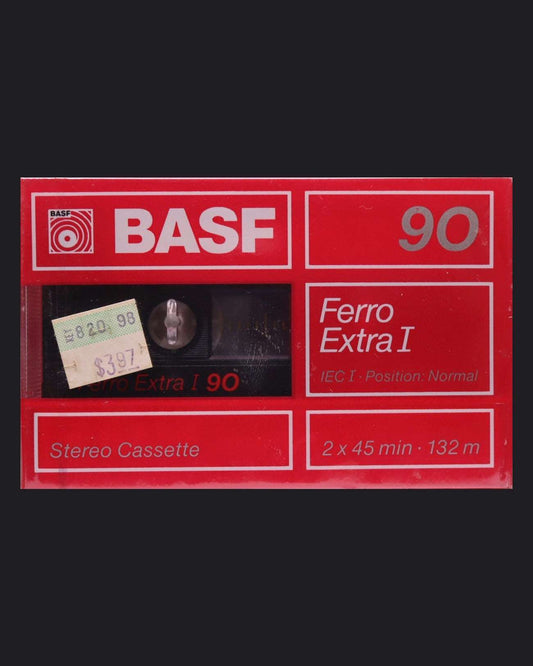
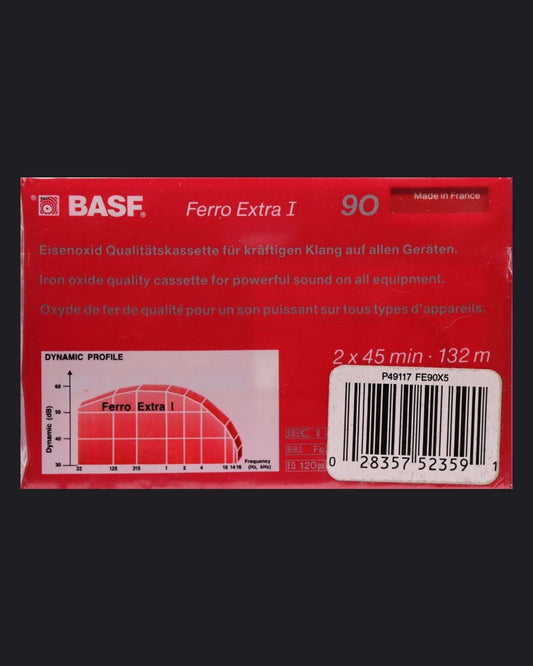
BASF Ferro Extra I Type I - 1993-1994
Regular price From $12.43 USDRegular price$14.95 USDSale price From $12.43 USD -
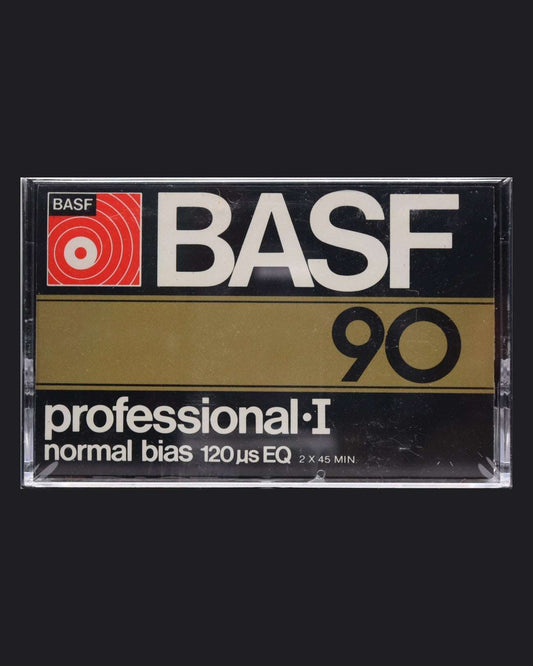
BASF Professional I Type I - 1976-1978 US
Regular price From $16.16 USDRegular price -
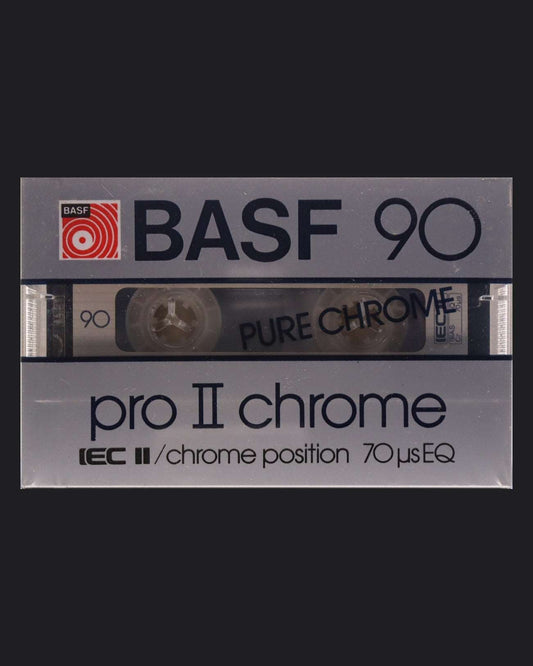
BASF Pro II Chrome Type II - 1982-1984 US
Regular price $22.40 USDRegular price -
BASF LH Maxima I Type I - 1985-1987
Regular price From $55.98 USDRegular price -
BASF Chrome Maxima II Type II - 1990 EU
Regular price From $33.34 USDRegular price -
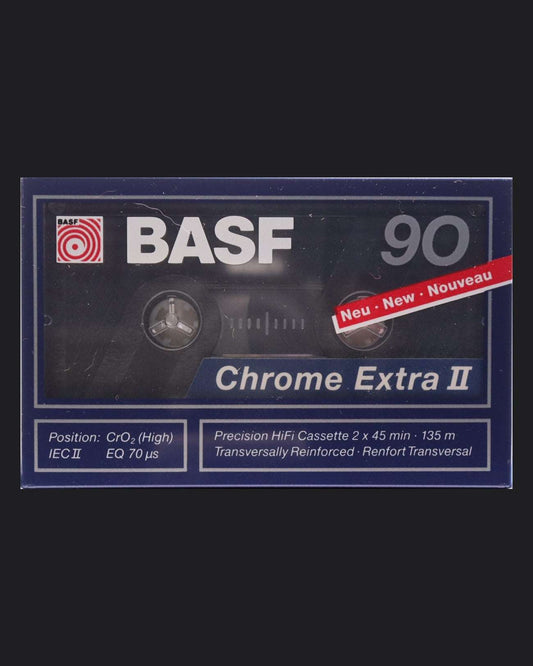
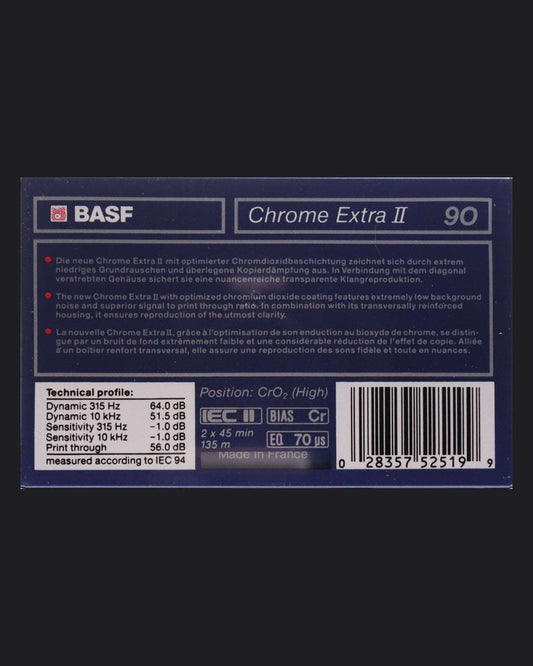
BASF Chrome Extra II Type II - 1989-1990
Regular price From $13.79 USDRegular price -
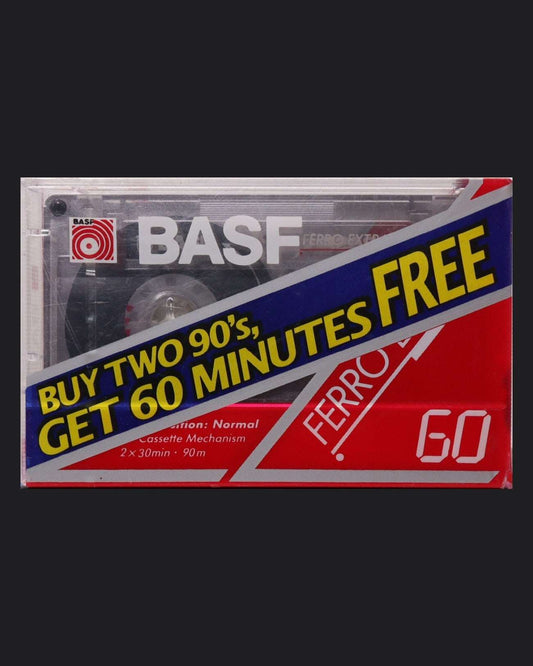
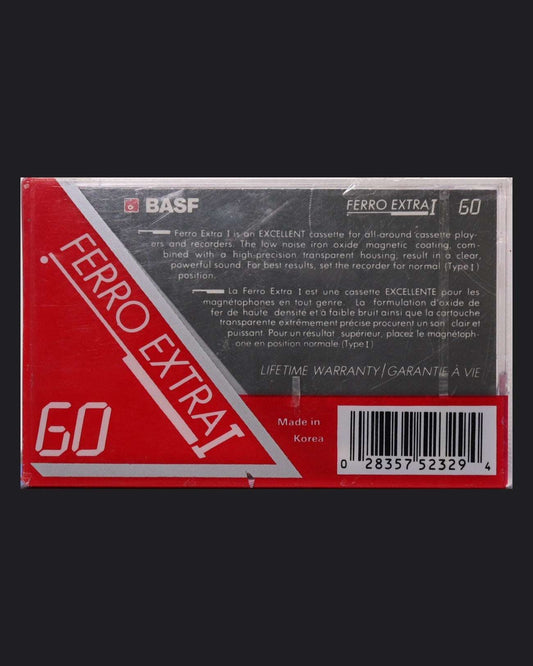
BASF Ferro Extra I Type I - 1991-1993
Regular price From $11.41 USDRegular price$14.16 USDSale price From $11.41 USD -
BASF Ferro Extra I Type I - 1988-1989
Regular price From $12.17 USDRegular price$14.74 USDSale price From $12.17 USDSold out -
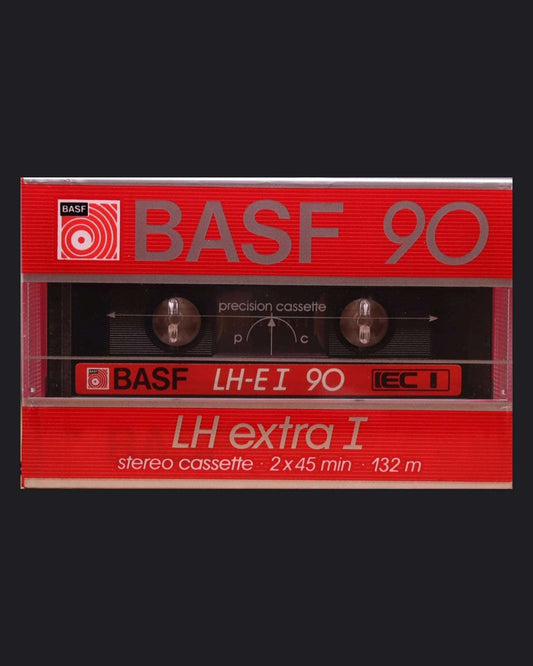
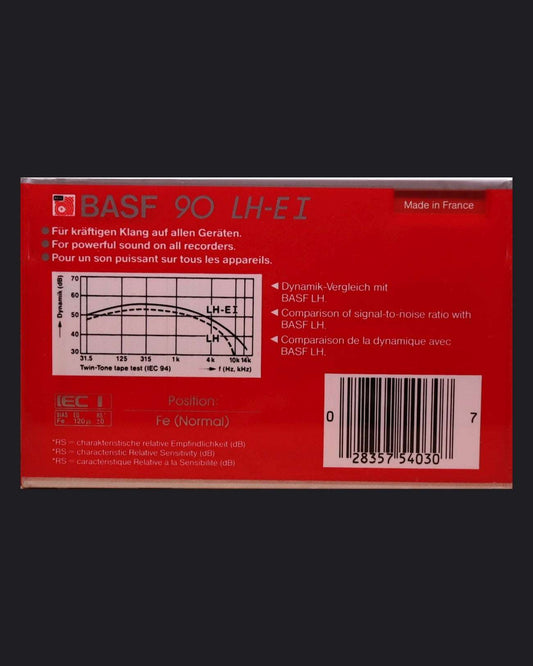
BASF LH Extra I Type I - 1982-1983
Regular price From $11.33 USDRegular price -
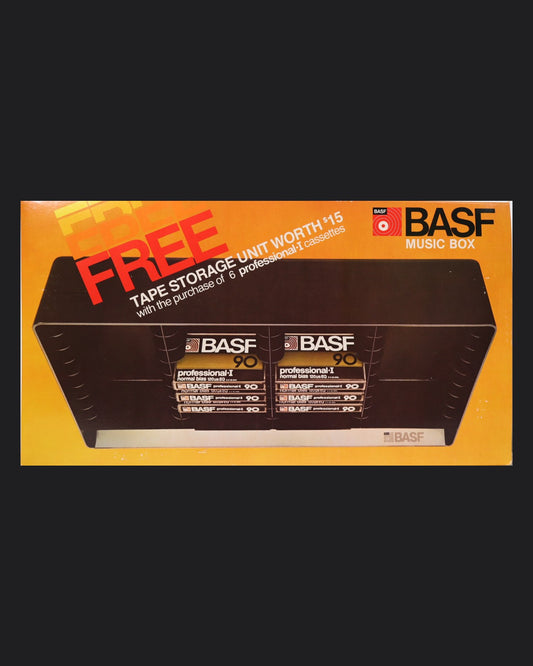
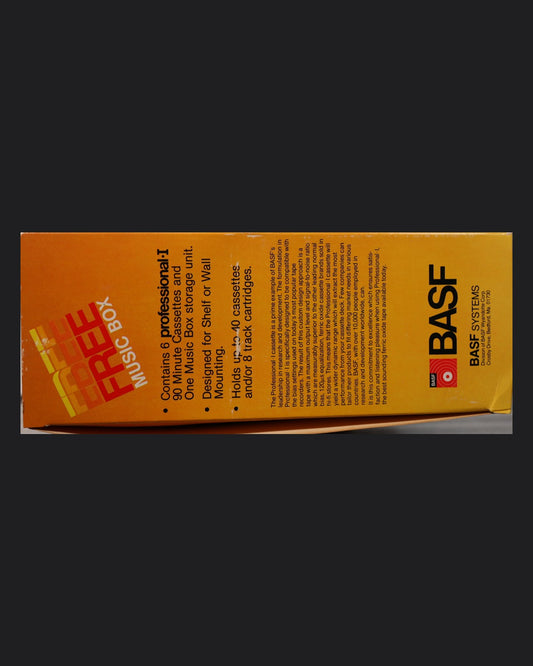
BASF Music Box: 6 Professional I 90 Cassette Tapes + Storage Box (1982-1984 US)
Regular price $131.77 USDRegular price -
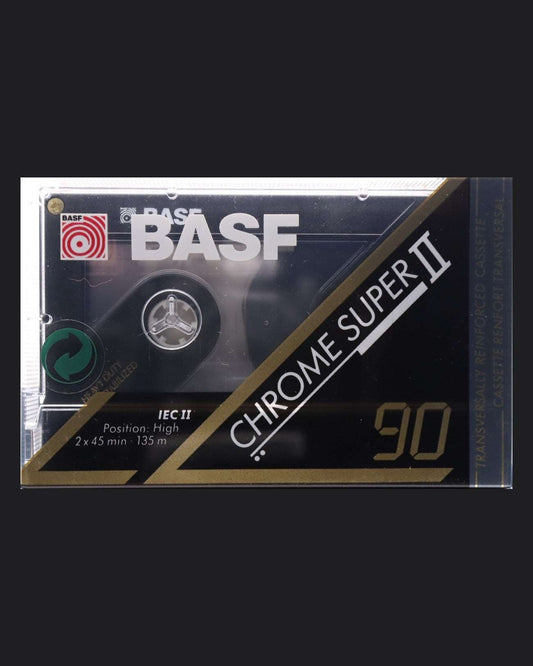
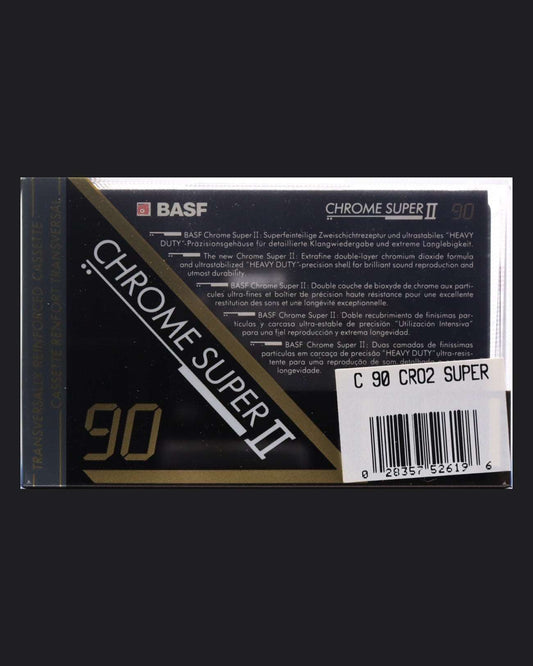
BASF Chrome Super II Type II - 1991-1993
Regular price From $20.30 USDRegular price -
BASF Chrome Maxima II Type II - 1991-1993
Regular price From $38.53 USDRegular price -
BASF Chrome Maxima II Type II - 1988-1989
Regular price From $38.51 USDRegular price
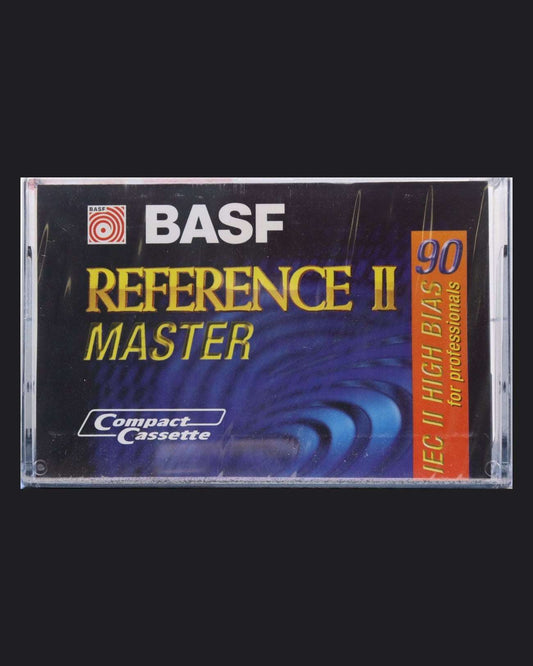
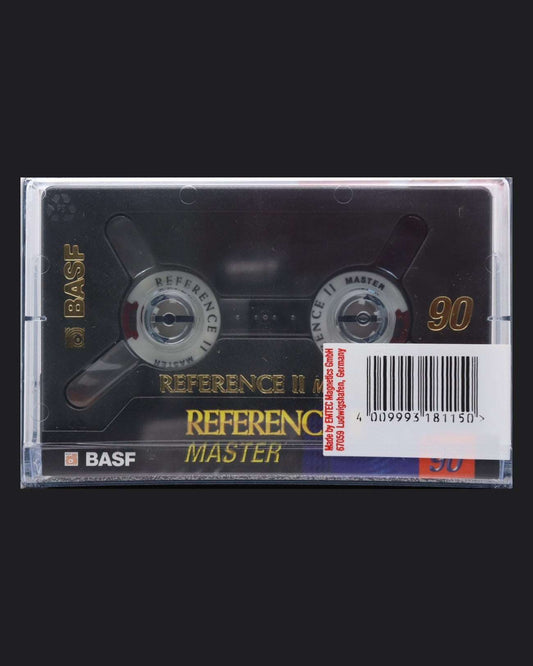
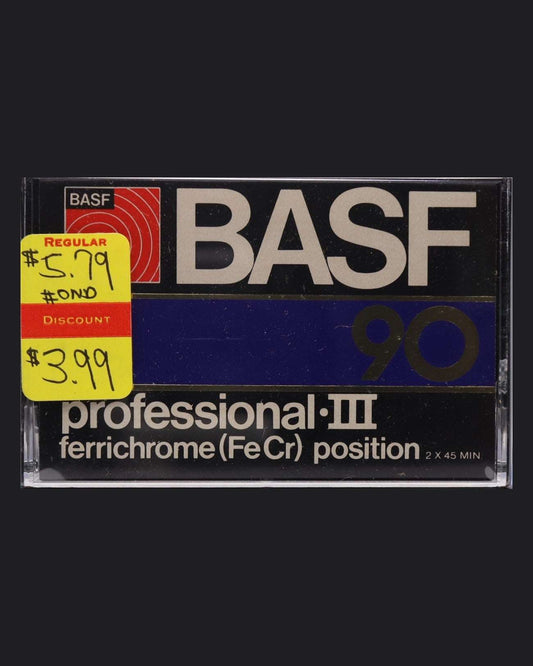
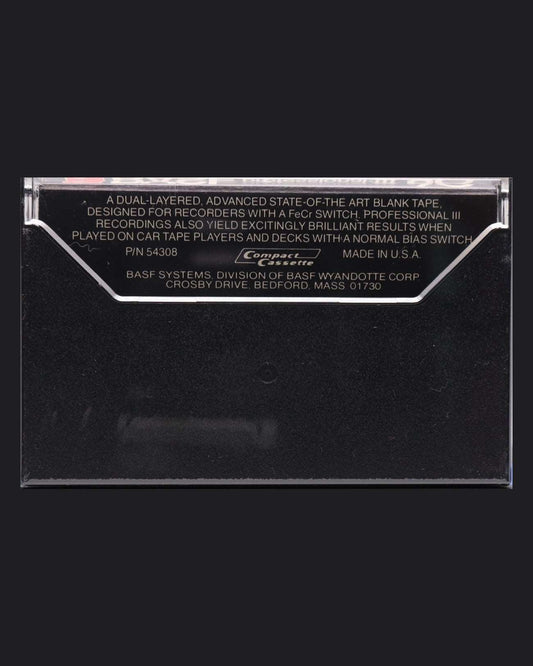
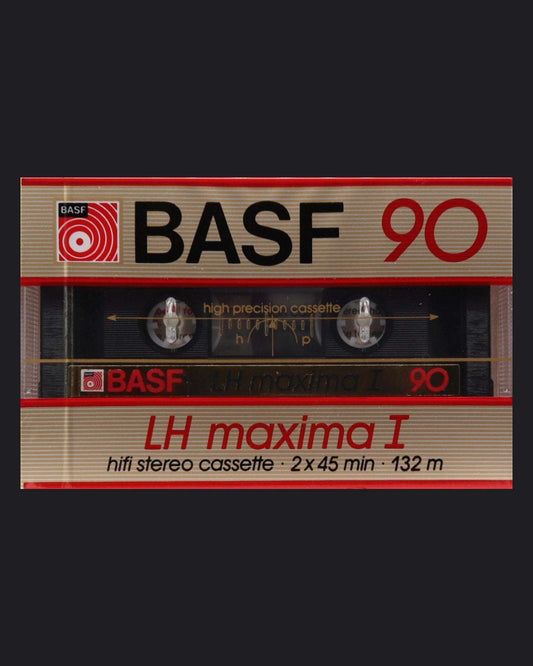
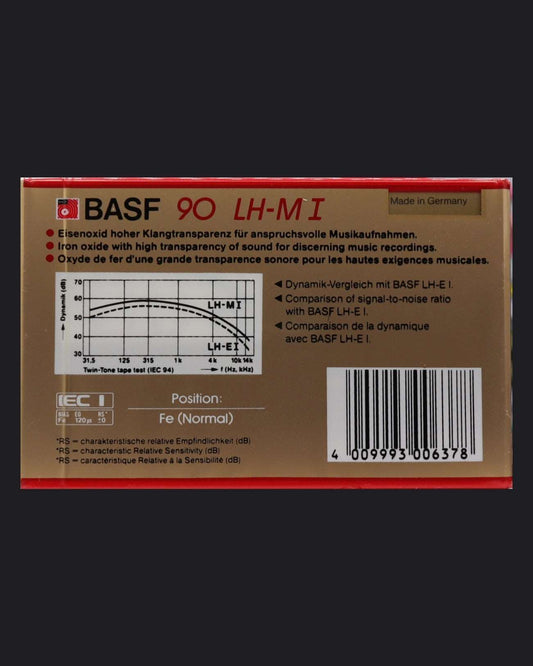
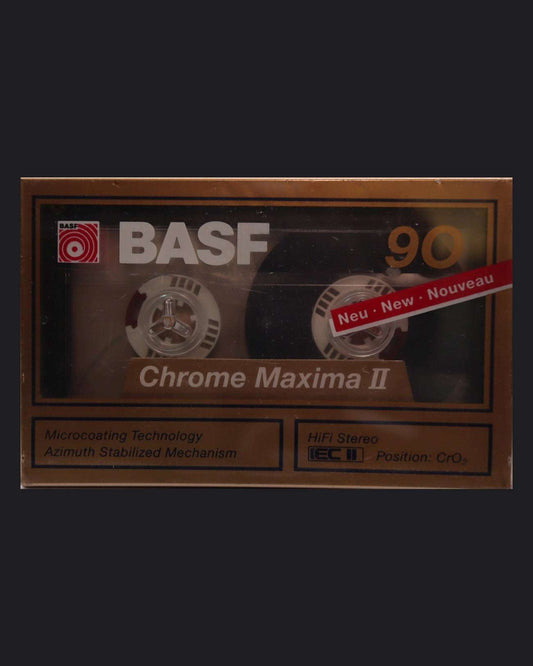
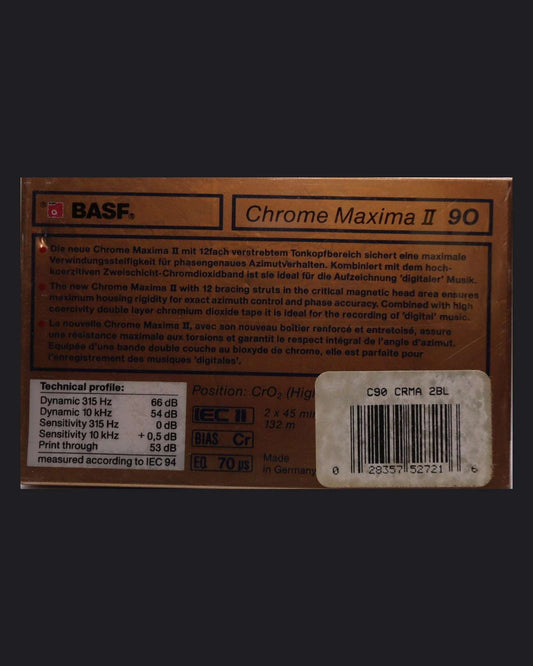
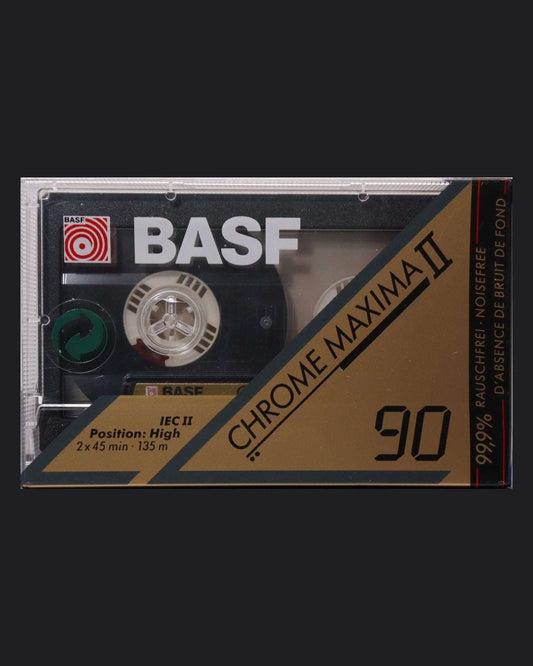
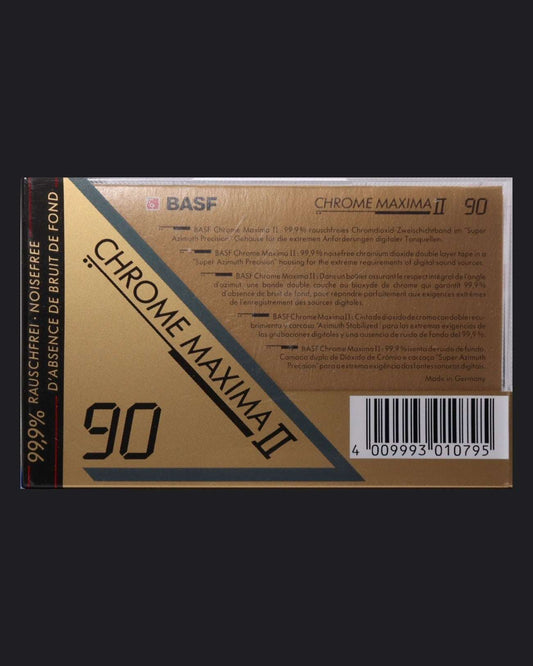
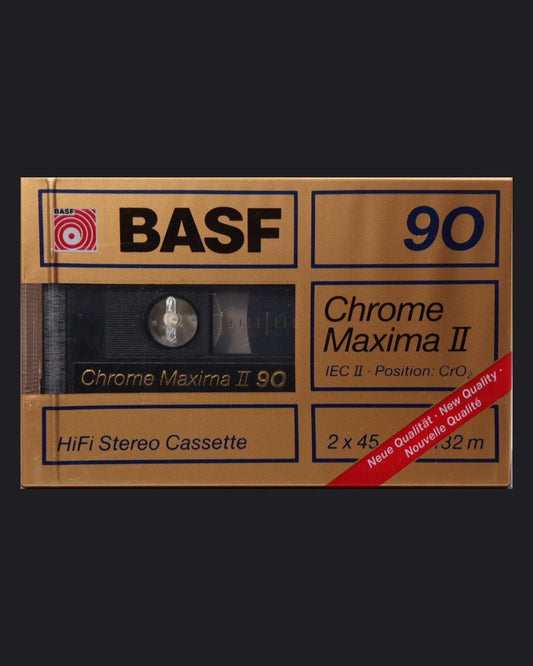
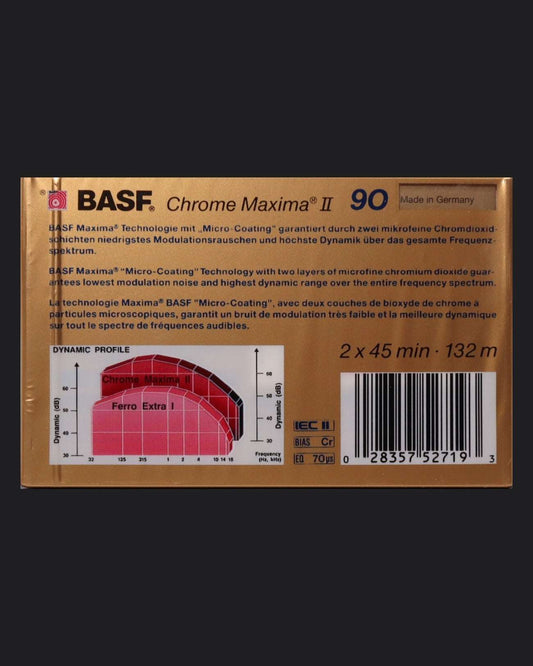
BASF Blank Cassette Tapes
BASF - Badische Anilin- und Soda-Fabrik - has the longest magnetic tape history of any company in the world. In 1934, BASF's Ludwigshafen plant supplied the first 50,000 meters of magnetic audio tape to electronics corporation AEG, enabling the first practical magnetic recording systems. This tape combined BASF's expertise in carbonyl iron powder production - developed since 1924 for telephone cable induction coils - with newly available synthetic polymer film as a carrier. Every subsequent generation of magnetic recording medium descends from that 1934 development.
BASF was among the first to produce chromium dioxide cassette tapes commercially in Europe, and all generations of the IEC Type II reference tape - including the 1971 DIN reference that pre-dated the formal IEC standard - were manufactured by BASF. The Chromdioxid II series (made at BASF's Willstätt, Germany plant, which operated until 2004) is a genuine historical artefact: precision German manufacturing in a format that BASF helped define. BASF also produced the dual-layer FeCr (Type III) cassettes, made until 1984, and a complete range of premium Type I super ferrics: the LH-MXI, Ferro Super I, and Ferro Maxima I lines that competed directly with TDK AR and Maxell XLI-S at the top of the Type I market.
Key BASF models in our collection: LH and LH Extra I (entry and mid-range Type I); Ferro Super I and Ferro Maxima I (super ferric Type I reference class); Chromdioxid II (true CrO₂ Type II, genuine chromium dioxide formulation); Chrome Super II and Chrome Maxima II (premium Type II); Ferrochrom III / FeCr (rare Type III dual-layer, BASF's own ferrochrome design); Metal IV (Type IV, BASF's metal particle cassette line).
BASF exited consumer electronics branding in the 1990s. All surviving cassettes are finite NOS inventory. Free US shipping on orders over $75.
Frequently Asked Questions
What makes BASF cassette tape historically significant?
BASF supplied the first 50,000 meters of magnetic audio tape to AEG in 1934 - the founding event of the entire magnetic recording industry. BASF was also the manufacturer of all generations of the IEC Type II reference tape, making them the technical foundation of the high-bias cassette standard.
Did BASF make real chrome (chromium dioxide) tape?
Yes. BASF's Chromdioxid series used genuine CrO₂ - one of the few manufacturers, alongside DuPont/PD Magnetics, to use true chromium dioxide rather than the cobalt-ferric 'pseudochrome' formulations most Japanese makers preferred. True chrome tape has a distinctive waxy smell and different calibration characteristics from ferricobalt.
What are the best BASF cassette tapes?
For Type I, BASF Ferro Maxima I and Ferro Super I are super ferric classics competing with TDK AR-X and Maxell XLI-S. For Type II, Chrome Maxima II and Chromdioxid Super II are the premium offerings. The rare FeCr (Ferrochrom III) from 1984 and BASF Metal IV complete a remarkable full-range lineup.
Where were BASF cassette tapes made?
BASF's primary cassette production plant was in Willstätt, Germany, which operated until 2004. Some production also ran through facilities in France and the USA. The 'Made in Germany' Willstätt production is particularly prized by collectors for its consistency and precision.
Is BASF still in the cassette tape business?
No. BASF exited consumer electronics branding in the 1990s and closed its Willstätt tape plant in 2004. The BASF magnetic media business was eventually absorbed into EMTEC. All BASF-branded cassettes available today are finite NOS inventory.