
-
Scotch High Energy Type I - 1973-1974 US
Regular price $6.00 USDRegular price$13.94 USDSale price $6.00 USD -
Scotch BX Type I - 1990-1993 US
Regular price $6.00 USDSale price $6.00 USD -
Scotch SCREAM'R Type I - 1990 US
Regular price From $12.22 USDRegular price -
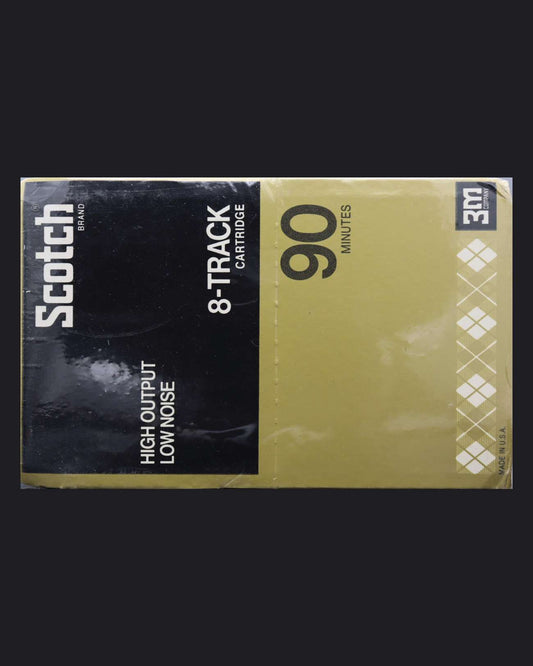
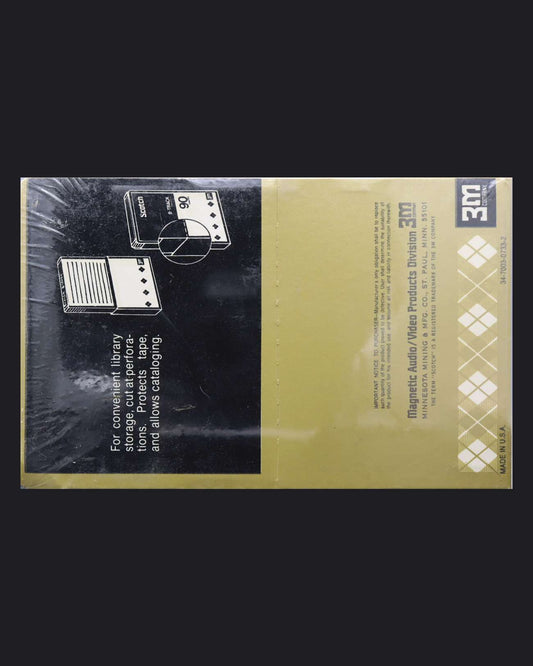
Scotch High Output Low Noise 8-Track Tape (US)
Regular price $16.07 USDRegular price -
Scotch 996 X-II Type II - 1993-1996 JP
Regular price From $18.11 USDRegular price -
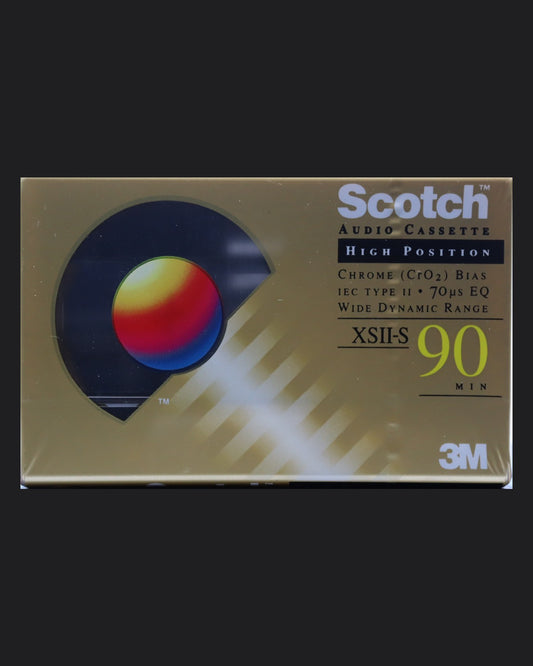
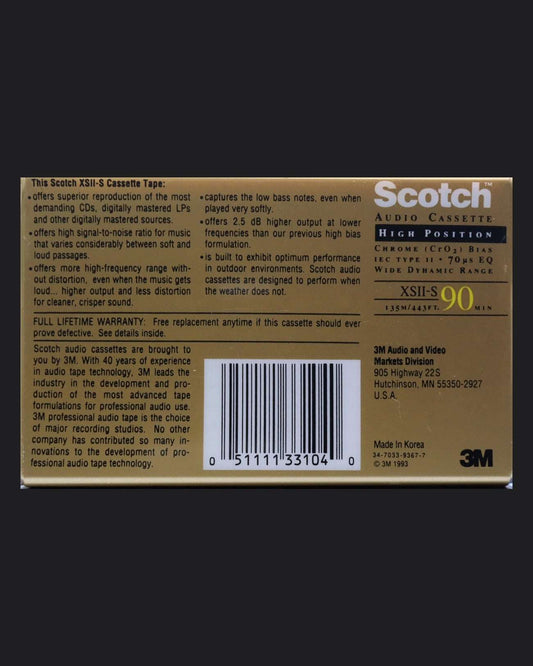
Scotch XS II-S Type II - 1993-1996 US
Regular price From $15.06 USDRegular price -
Scotch CX Type I - 1990-1993 US
Regular price From $13.86 USDRegular price -
3M AVX Professional Type I - 1996 US
Regular price $10.32 USDRegular price$13.52 USDSale price $10.32 USD -
Scotch Standard Type I - JP
Regular price $32.76 USDRegular price -
Scotch S1 Type I - 1993 JP
Regular price From $13.56 USDRegular price -
Scotch 996 X-I Type I - 1993-1996 JP
Regular price From $17.53 USDRegular price -
3M Black Watch 4040 Type IV - 1989 US
Regular price From $86.50 USDRegular price -
Scotch BX Type I - 1982-1986 US
Regular price From $7.73 USDRegular price -
Scotch BX Type I - 1993-1996 US
Regular price From $8.98 USDRegular price$11.63 USDSale price From $8.98 USD -
Scotch XSM IV Type IV - 1987-1989 US
Regular price From $46.62 USDRegular price -
Scotch XSM IV Type IV - 1982-1986 US
Regular price From $51.22 USDRegular price
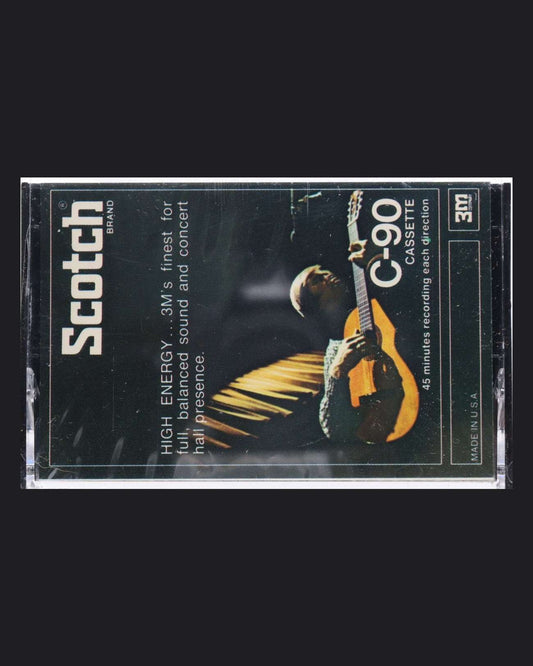
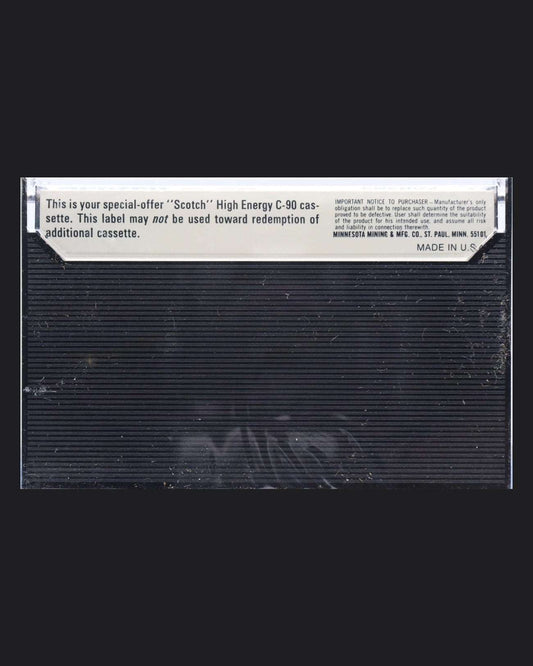


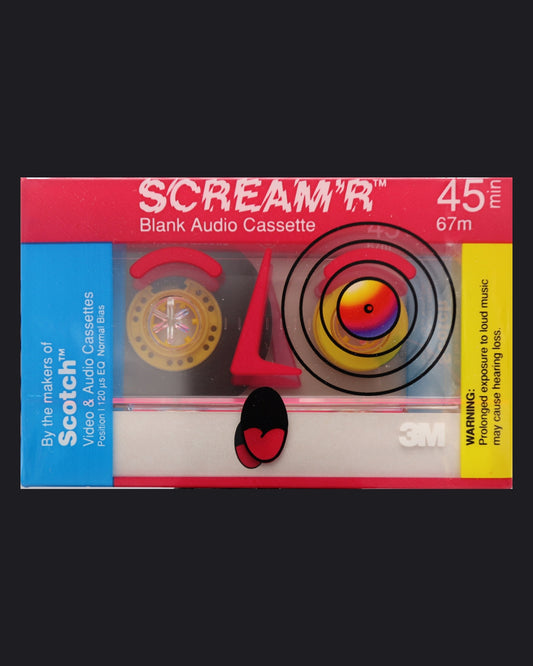
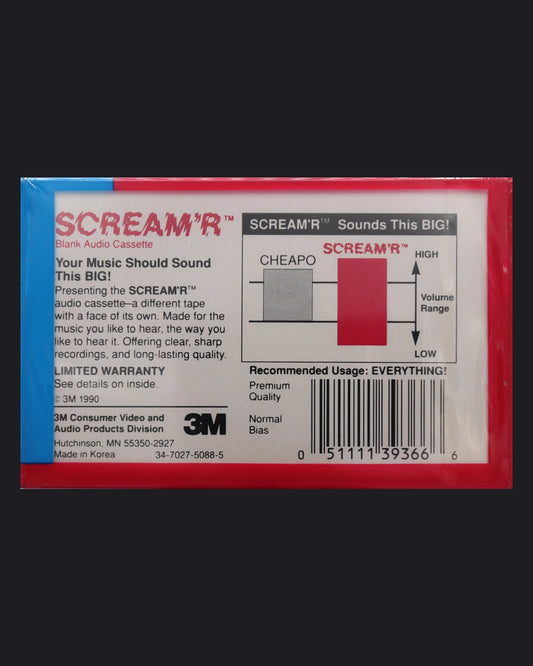


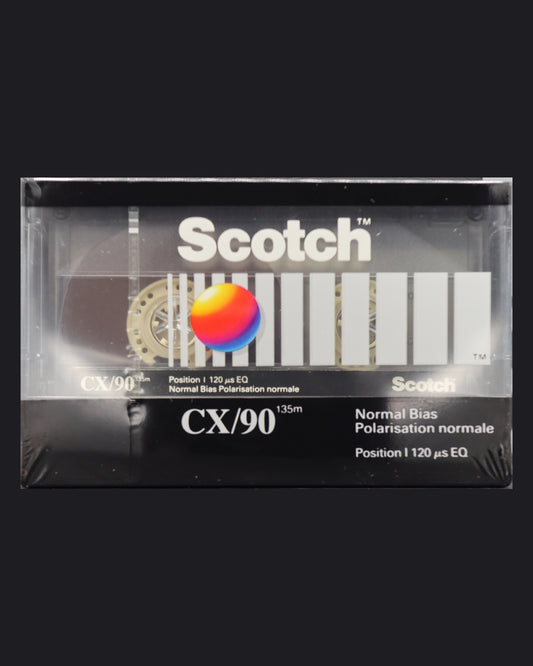
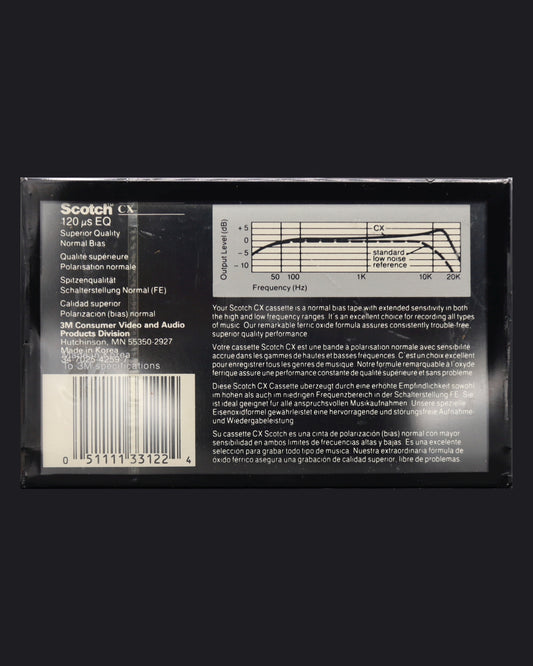


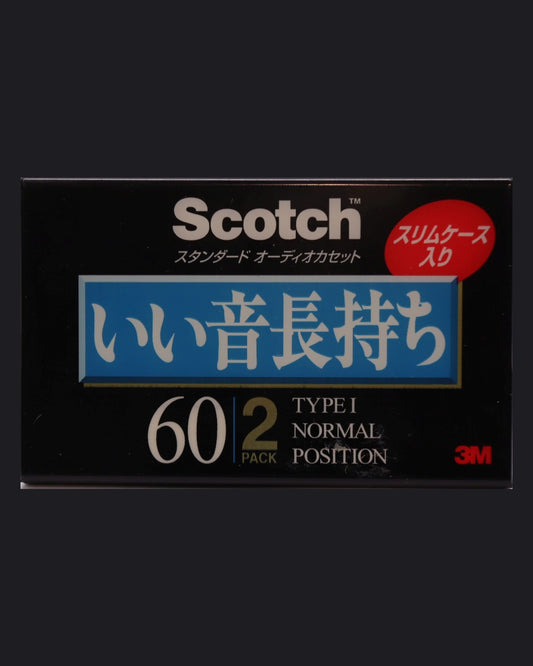
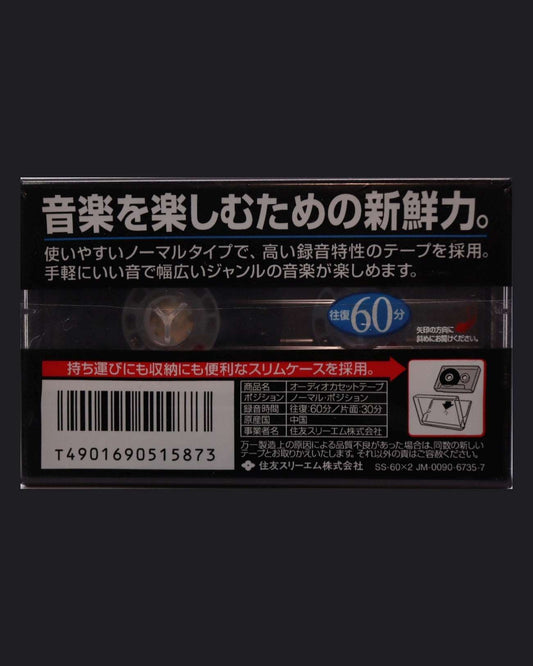
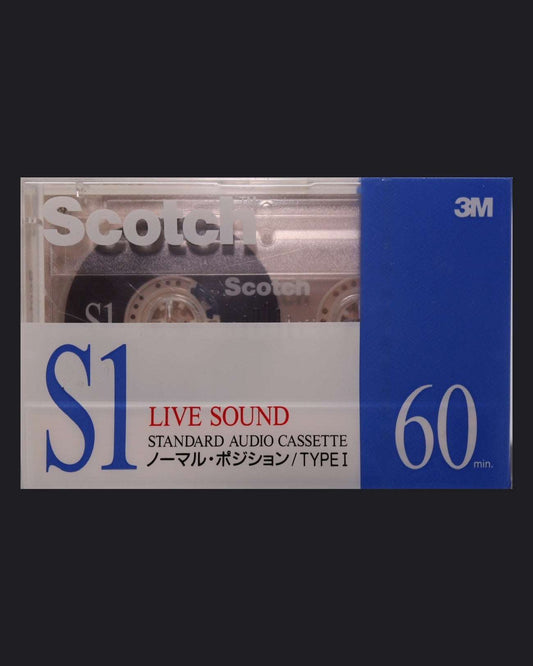
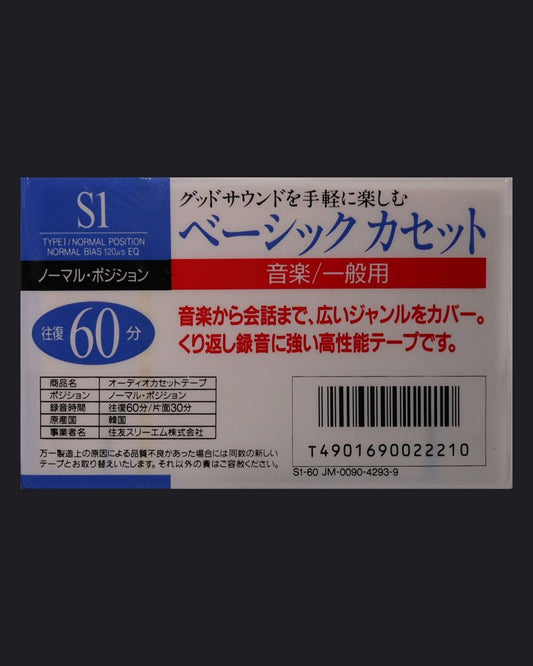
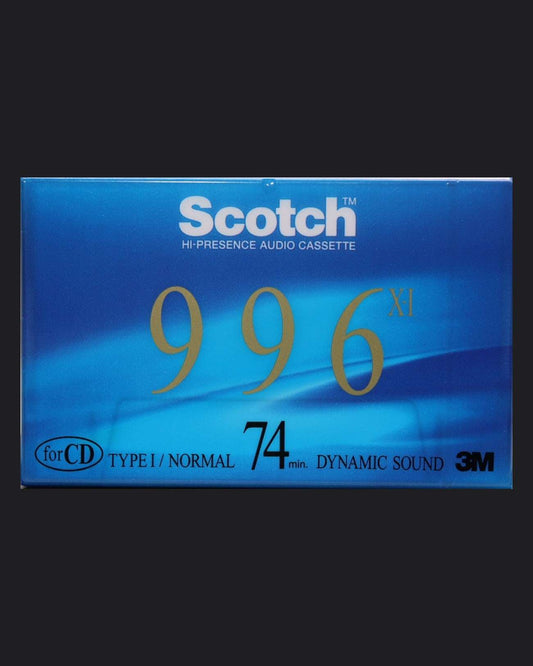
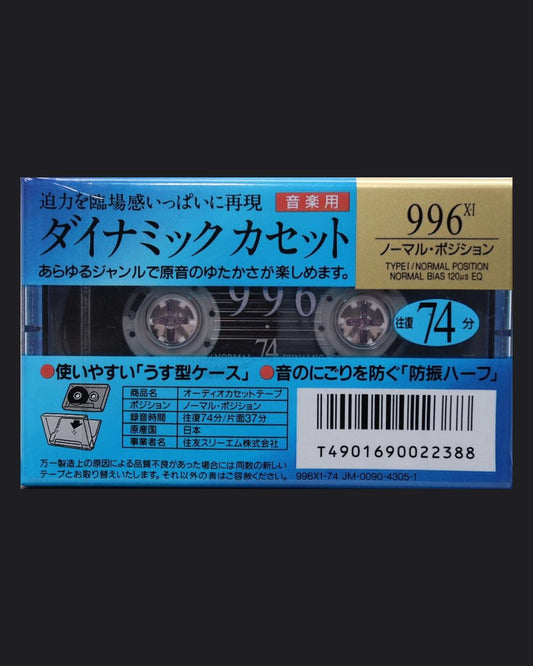
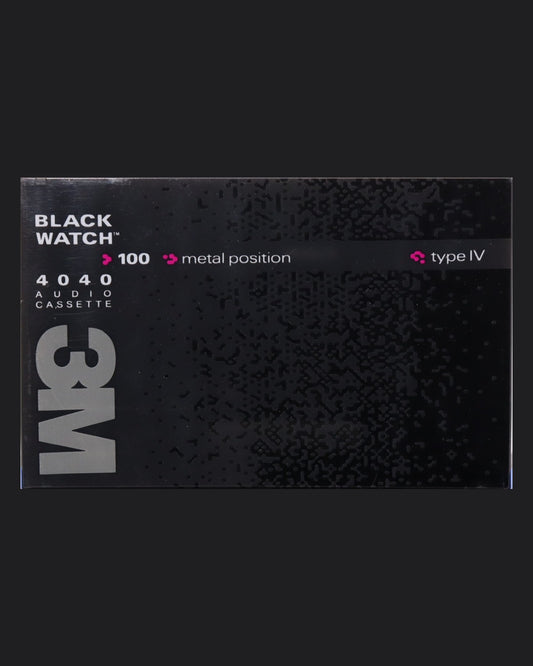
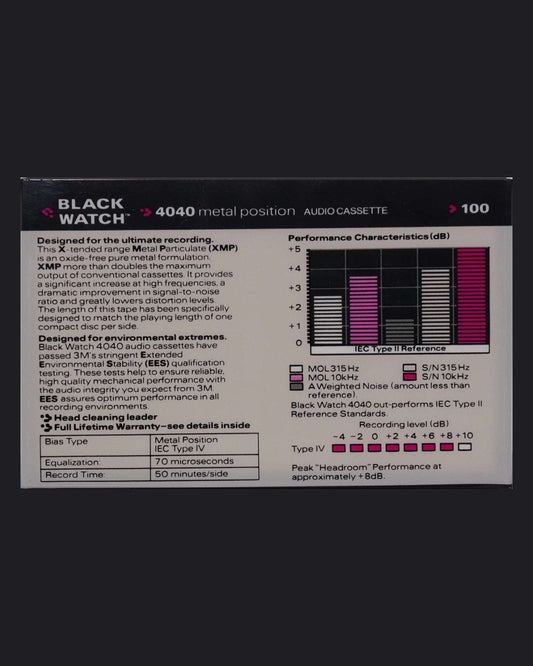
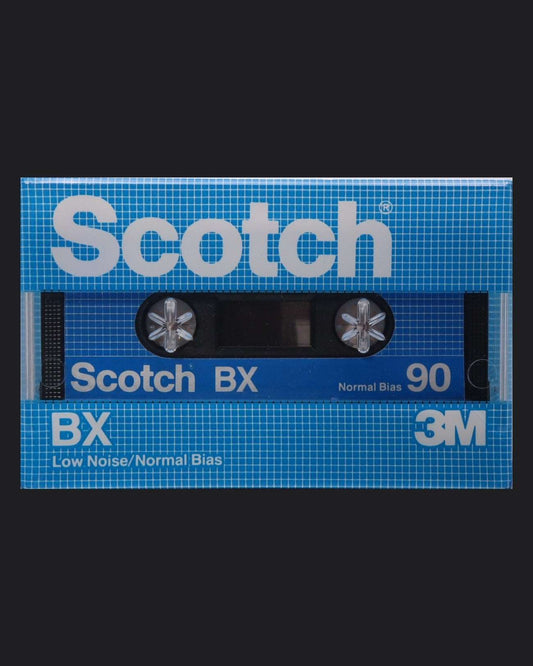
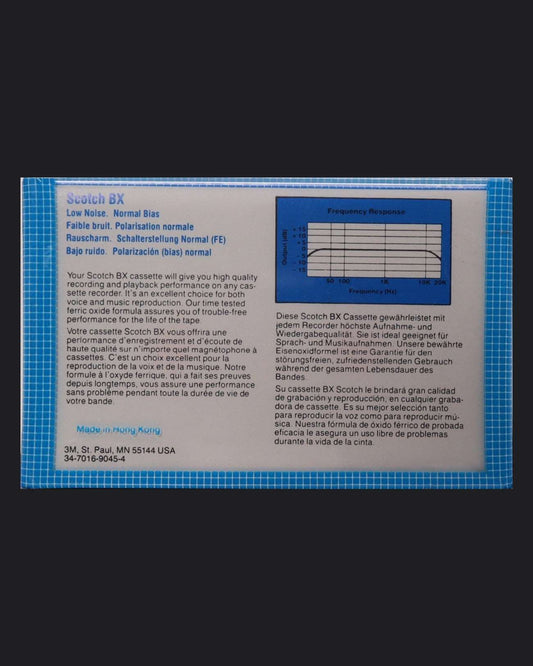


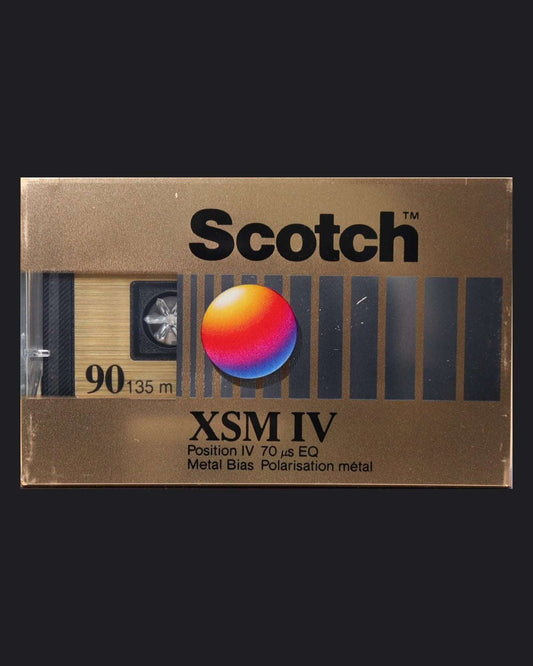
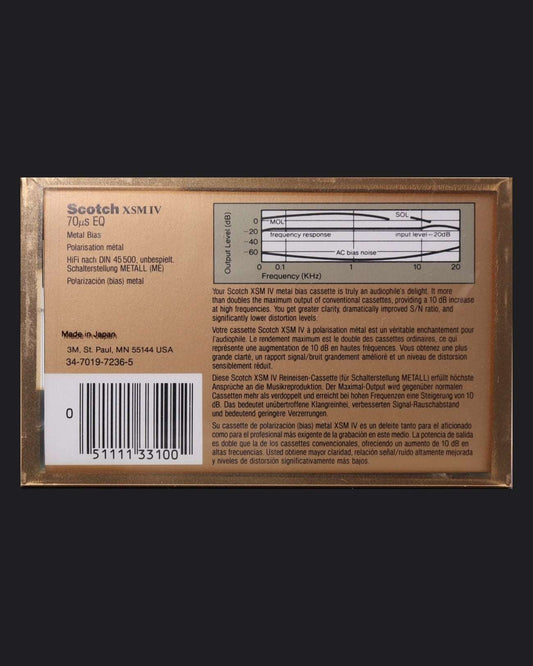
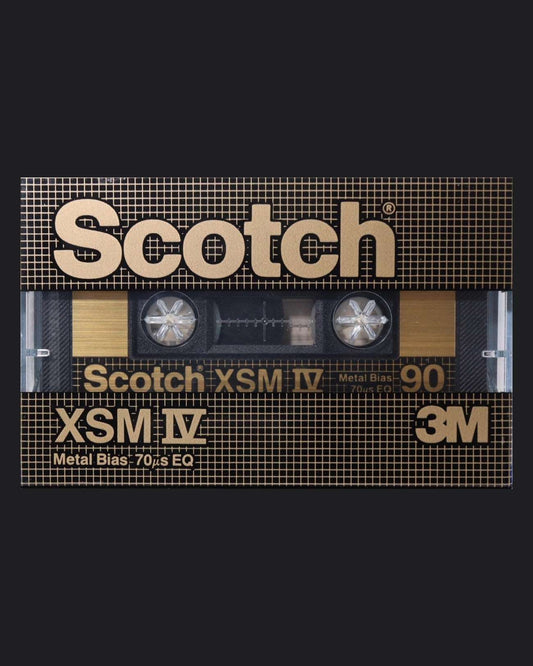
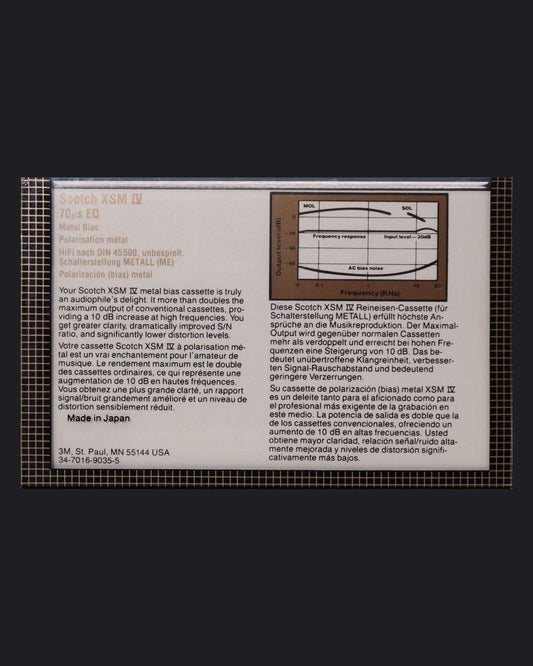
3M Scotch Blank Cassette Tapes
The Minnesota Mining and Manufacturing Company — 3M — has a magnetic recording tape history that predates the compact cassette by two decades. In June 1947, 3M shipped the first commercially produced "Scotch" Sound Recording Tape (No. 100, paper-based) to the market, establishing the foundation of the American professional recording tape industry. Scotch magnetic tape became standard equipment in radio networks and recording studios, used alongside Ampex recorders throughout the golden age of studio recording. RCA used Scotch magnetic tape for some of the first television program recordings. The plaid Scotch logo — a take on the Wallace tartan, introduced in 1945 — became one of the most recognized imagery in professional audio.
3M's key contribution to cassette tape formulation history came in 1971, when 3M invented the cobalt-doping technique for ferric oxide — producing their "High Energy" tape, the world's first cobalt-modified Type I cassette. This technology was later adopted by TDK (as Avilyn), Maxell, and virtually every other Japanese manufacturer, making it the formulation basis for the entire subsequent generation of premium Type I tapes. In 1979, 3M's Scotch Metafine became the first metal pigment cassette tape brought to the commercial market — produced in Japan and pre-loaded into the box of at least one JVC deck model as a reference tape for Type IV performance.
Key Scotch cassette models in our collection: High Energy (the original cobalt-modified Type I, historically significant); BX (reliable standard high-bias Type II); Master I (premium Type I); XS-I and XS-II (the premium "extra select" series, Type I and II respectively, widely praised by enthusiasts as among the finest 3M consumer cassettes); XSM-IV (premium Type IV metal); and the legendary Metafine (first metal pigment cassette ever sold commercially).
3M exited the magnetic tape business in 1996, selling its assets to Quantegy (a spin-off of Ampex). All surviving 3M Scotch cassettes are finite NOS inventory. Free US shipping on orders over $75.
Frequently Asked Questions
What magnetic tape innovations did 3M / Scotch develop?
3M invented cobalt-doping for ferric oxide in 1971 — producing 'High Energy' tape, the world's first cobalt-modified Type I cassette. This technology was later adopted by TDK (as Avilyn), Maxell, and virtually every Japanese manufacturer. 3M's Scotch Metafine (1979) was the first metal pigment cassette ever brought to commercial market.
What is the Scotch Metafine cassette tape?
Scotch Metafine is the first metal pigment cassette tape ever sold commercially, produced by 3M in Japan in 1979. It was pre-loaded into at least one JVC deck model as a reference Type IV tape. It is a genuine historical artefact — the first commercial example of pure metal particle cassette technology.
What are the best Scotch cassette tapes?
Scotch XS-I, XS-II (Extra Select Type I and II), and XSM-IV are widely praised by enthusiasts as among the finest cassettes 3M ever produced. Scotch High Energy holds historical significance as the original cobalt-doped Type I. Master I is a premium Type I from the early production era.
When did 3M exit the tape business?
3M exited the magnetic tape business in 1996, selling its assets to Quantegy — a spin-off of Ampex. This ended over 50 years of 3M magnetic tape production, from the first Scotch Sound Recording Tape in 1947 through to the decline of the cassette era.
Is Scotch tape the same brand as Scotch audio tape?
Yes. Both use the Scotch brand name belonging to 3M. The adhesive tape and the audio tape share the same plaid logo (based on the Wallace tartan, introduced in 1945) but were entirely separate product lines. The audio tapes were officially discontinued when 3M exited magnetic tape in 1996.